The Rise of the AI Workforce: How Autonomous Agents are Reshaping Business and Creativity
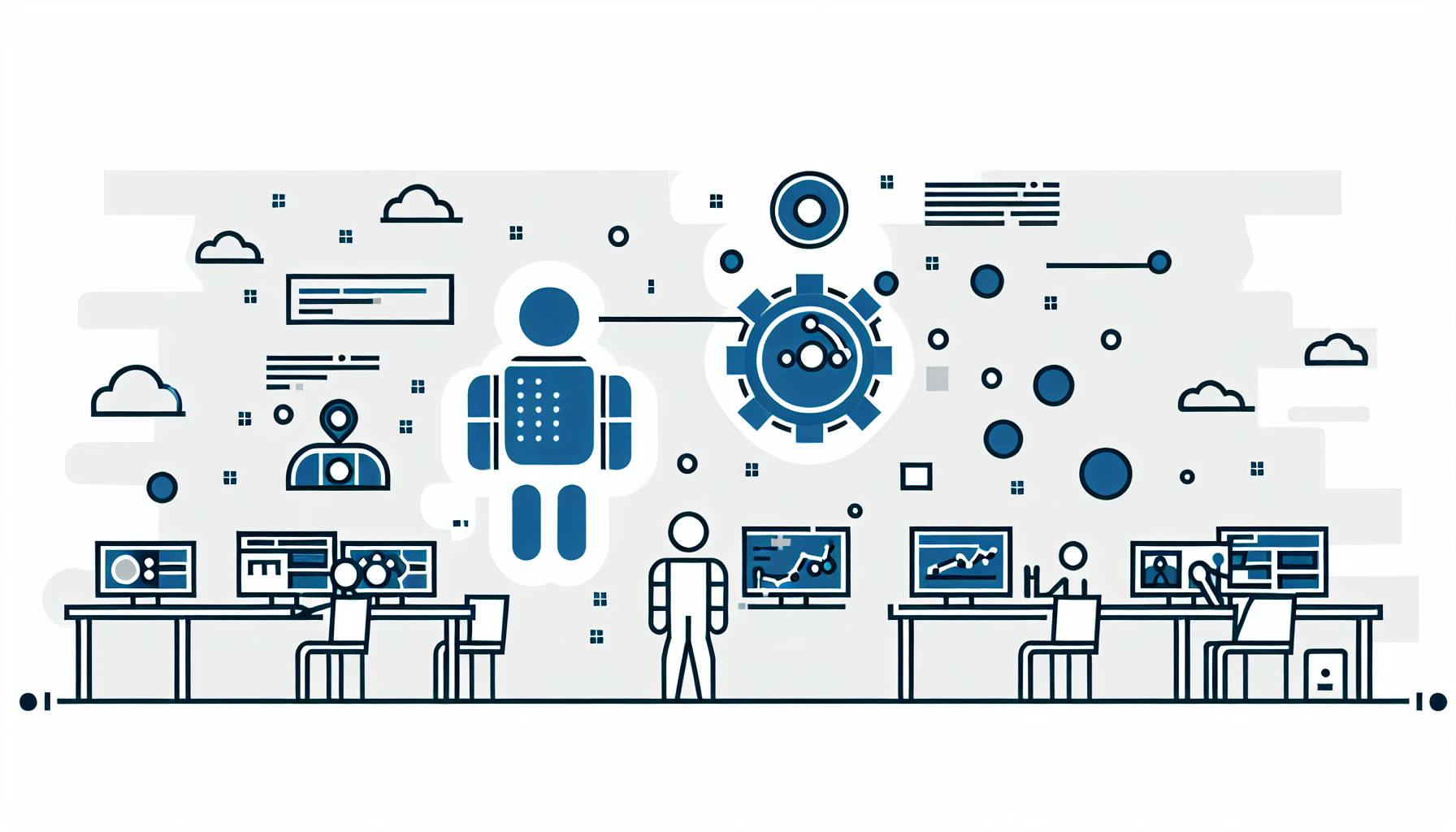
The integration of AI agents into the workforce marks a significant transformation in how businesses operate. These autonomous systems not only enhance operational efficiency but also contribute to creative processes. As we delve deeper into this topic, we will explore the impact of AI on various sectors, particularly focusing on its role in reshaping workforce dynamics and creative endeavors.
Understanding AI Agents
As businesses continue to embrace technological advancements, autonomous AI is becoming integral to operational structures across various industries. Companies are increasingly deploying AI agents to streamline processes, enhance decision-making, and drive efficiency. These AI agents possess the capability to autonomously execute tasks with minimal or no human intervention, leveraging vast data sets and learning from them continuously.
For instance, in customer support, AI agents can handle inquiries, resolve issues, and guide users through complex processes, often outperforming human counterparts in speed and accuracy. In digital marketing, AI agents analyze consumer behavior, optimize campaign strategies, and even generate content tailored to specific audiences. A notable example is a well-known e-commerce platform that utilizes AI-driven algorithms to manage inventory, predict demand, and personalize user experiences, significantly boosting sales and customer satisfaction.
Additionally, in operational efficiency, companies leverage AI agents for market analysis, enabling swift adaptation to changing trends and customer preferences. By integrating AI agents into their frameworks, organizations not only enhance productivity but also position themselves competitively in an increasingly data-driven landscape, paving the way for a future where human creativity is augmented by smart technology.
Autonomous AI and Business Integration
As businesses increasingly integrate autonomous AI into their operations, the benefits become palpable across various sectors. Companies like IBM and Salesforce exemplify this shift, deploying AI agents for customer support and market analysis with remarkable success. For instance, IBM’s Watson AI not only handles client inquiries but also analyzes vast amounts of data to provide insights that shape strategic decisions, effectively streamlining operational efficiency.
In digital marketing, AI agents have revolutionized approaches to campaign management. Tools such as HubSpot’s AI-powered functionalities analyze user behavior in real-time, allowing businesses to adapt their strategies promptly, resulting in increased engagement and conversion rates. Moreover, autonomous AI in content creation, demonstrated by platforms like Jasper, enables brands to generate tailored content at scale, thereby enhancing creativity and productivity while reducing turnaround times.
The successful integration of AI also facilitates improved decision-making processes; by utilizing AI for predictive analytics, companies can proactively address market trends and consumer preferences. This shift towards automation doesn’t replace human input but rather enhances it, fostering a collaborative environment that leverages both human intuition and AI efficiency. As businesses embrace these smart technologies, they position themselves not only for immediate growth but for long-term sustainability in an ever-evolving marketplace.
The Evolution of the Future of Work
The integration of AI agents into the workforce signifies not just a technological shift but a paradigm change in how companies structure their teams and processes. As businesses increasingly adopt AI automation, traditional roles are evolving, leading to both job displacement and the creation of new roles focused on AI management and oversight. The rise of the AI workforce has prompted organizations to reassess their operational needs and employee skill sets.
Among the emerging job roles are AI trainers, data ethicists, and AI relationship managers, all crucial in navigating the complexities of human-AI collaboration. These positions emphasize the need for expertise in ensuring AI systems are aligned with company values and social expectations. The evolving workforce structure encourages a blend of human intuition and AI efficiency, fostering a hybrid model where human creativity is augmented by autonomous agents.
In sectors like digital marketing, businesses increasingly rely on AI to analyze consumer data, personalize campaigns, and automate routine tasks. This AI integration not only drives productivity but also enhances strategic decision-making. Recognizing these shifts is essential for companies looking to leverage AI as a catalyst for sustainable business growth in a rapidly changing landscape.
AI in Creativity and Ideation
The integration of AI agents into creative fields is revolutionizing how professionals approach content creation, design, and marketing. These autonomous AI tools are empowering creators by providing innovative suggestions, automating repetitive tasks, and enhancing ideation processes. For instance, AI-driven platforms like ChatGPT and DALL-E generate text and visuals, allowing marketers and content creators to quickly brainstorm ideas and produce compelling material.
Additionally, tools such as Adobe’s Sensei utilize machine learning algorithms to optimize design workflows, enabling artists to focus on their creative vision rather than getting bogged down by technical details. In digital marketing, AI aids in analyzing consumer data to personalize campaigns, ensuring that messaging resonates more effectively with target audiences.
However, the success of integrating AI into creative workflows hinges on striking a balance. While AI can enhance efficiency and inspire innovation, it is essential for human input to remain at the forefront. Creative professionals must harness AI capabilities without relinquishing their unique artistic insights. This collaboration fosters a dynamic environment where AI complements human creativity, paving the way for groundbreaking ideas and approaches in an evolving business landscape focused on growth and adaptability.
AI Automation and Efficiency
The impact of AI-driven automation on business efficiency is profound, presenting organizations with unparalleled opportunities to streamline operations, reduce costs, and boost productivity. By integrating AI agents, companies are leveraging intelligent automation to handle repetitive tasks, analyze data, and optimize workflows. For instance, in the logistics sector, AI systems automate supply chain management, enabling real-time tracking and predictive analytics that prevent disruptions and minimize delays.
In manufacturing, autonomous AI systems are optimizing production lines, maintaining quality control, and even predicting equipment failures before they occur, thus reducing downtime. The retail industry has also seen significant benefits, with AI-driven inventory management systems minimizing stock shortages and overages, leading to better sales and customer satisfaction.
In digital marketing, automation tools powered by AI analyze consumer behavior, personalize content delivery, and optimize ad spending. For instance, targeted social media campaigns generated through AI algorithms improve reach and conversion rates more than traditional methods.
By embracing AI automation, businesses can not only achieve significant cost savings but also foster a culture of innovation, allowing human employees to focus on strategic tasks and creative thinking. This shift is poised to redefine workforce dynamics, encouraging a symbiotic relationship between humans and AI agents, ultimately positioning companies for sustainable growth in an increasingly competitive landscape.
Ethical Considerations and Future Directions
The deployment of AI agents within the workforce raises pressing ethical considerations that cannot be overlooked. As businesses integrate autonomous AI solutions into their operations, questions about job security for human employees become paramount. The fear of job displacement looms large, as certain roles could become obsolete due to AI automation. However, rather than viewing AI as a competitor, it should be seen as a collaborator, enhancing human roles rather than replacing them. Encouraging reskilling and upskilling will be essential to prepare the workforce for an AI-augmented future.
Data privacy also emerges as a significant concern. The use of AI agents often involves extensive data collection and analysis, raising questions about the security and ethical use of sensitive information. Businesses must implement robust data protection measures and adhere to regulations to foster trust among consumers and employees.
Moreover, the long-term sustainability of an AI-driven workforce is an ethical imperative. Companies should develop clear guidelines on responsible AI integration, emphasizing transparency in AI operations and maintaining a balance between machine efficiency and human creativity. By doing so, businesses can leverage the full potential of AI while safeguarding ethical standards and promoting a collaborative future.
Conclusions
The rise of AI agents is not merely a technological advancement but a fundamental shift in business and creativity. As the workforce evolves, understanding and adapting to AI’s potential is crucial for future growth. Businesses must navigate the balance between automation and human creativity, ensuring a collaborative environment where both can thrive.