The Rise of the AI Workforce How Autonomous Agents are Reshaping Business and Creativity
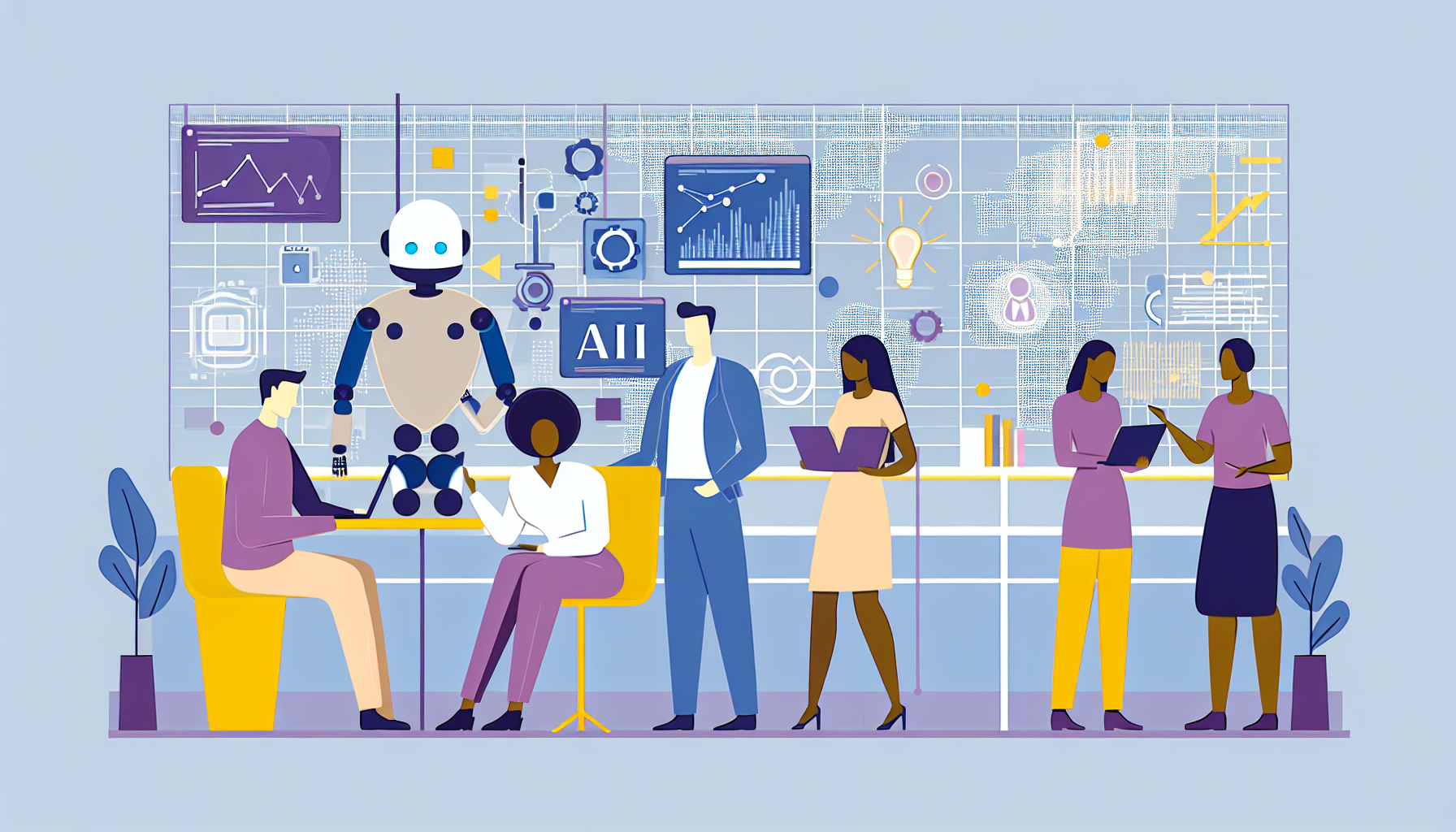
The integration of AI agents into business operations signals a transformative shift in how work is conducted. These autonomous systems are reshaping traditional roles and enhancing efficiency, creativity, and productivity across diverse sectors. This article delves into the multifaceted impact of AI in business and the future of the workforce.
Understanding AI Agents
AI agents have emerged as transformative elements across various sectors, demonstrating their potential to redefine operational paradigms. In customer support, for instance, companies like Zendesk and Drift utilize AI-powered chatbots to handle inquiries 24/7, significantly reducing response times while boosting customer satisfaction. These autonomous agents can analyze customer data, predict inquiries, and provide tailored answers, thereby streamlining support processes and decreasing the burden on human agents.
In the realm of marketing, organizations harness AI agents for campaign optimization. Tools like HubSpot and Google Ads employ AI to analyze user behavior, automate ad placements, and personalize content delivery. This not only maximizes engagement but also enhances conversion rates, ultimately contributing to business growth.
Operations are also reaping the benefits of AI integration; manufacturers use autonomous AI systems for predictive maintenance, which allows for the anticipation of equipment failures and minimization of downtime. For example, General Electric has implemented AI models that monitor machinery health, improving operational efficiency significantly.
While these advancements herald immense benefits, challenges remain, such as data privacy concerns and the need for high-quality training data. These factors necessitate a careful balance between leveraging AI capabilities and maintaining ethical practices in business environments.
The Role of Autonomous AI in Business
As businesses increasingly adopt autonomous AI, the applications span a wide array of settings, particularly in customer support, marketing, and operations. AI agents are transforming how companies engage with customers; for instance, AI-driven chatbots efficiently handle inquiries, freeing human agents to tackle more complex issues. In the marketing domain, digital marketing AI platforms analyze consumer behavior patterns, allowing businesses to tailor their outreach more effectively, increasing user engagement and conversion rates.
Case studies exemplify these benefits. A notable example is Spotify, which utilizes AI to curate personalized playlists, significantly enhancing user experience and driving engagement. Similarly, Coca-Cola has implemented AI in its operational workflows, utilizing predictive analytics for inventory management, resulting in reduced costs and improved service delivery. However, these implementations also bring challenges, such as ensuring data privacy and managing AI’s evolving role in decision-making.
These autonomous systems not only streamline processes but also facilitate data-driven decision-making, thus fostering a culture of innovation. As companies integrate AI into their workflows, the continued evolution of human-AI collaboration becomes paramount, shaping the future of business growth and operational efficiency.
Implications for Workforce Structure
The integration of AI agents into the workforce is significantly reshaping organizational structures, leading to a paradigm shift in job roles and responsibilities. As autonomous AI takes over repetitive and mundane tasks, employees are gradually transitioning from execution roles to those focusing on AI management and oversight. This new landscape will require workers adept at understanding and overseeing AI functionalities rather than performing rote tasks.
However, the shift presents significant concerns regarding job displacement. Traditional roles are being supplemented or replaced by AI systems, which can lead to anxiety among the workforce. In order to address these concerns, it is crucial for businesses to invest in reskilling and upskilling programs that prepare employees for a future where human-AI collaboration is commonplace.
Skills such as data analysis, AI governance, and ethical AI practices will be essential. Moreover, as AI becomes an integral part of business processes, positions centered on overseeing AI initiatives and ensuring alignment with organizational goals are likely to emerge. In the creative sectors, roles focused on blending human creativity with AI capabilities will further develop, marking a significant evolution in the workforce structure.
AI Automation and Business Efficiency
The deployment of AI automation is revolutionizing business efficiency across various sectors. Companies leveraging autonomous AI agents have reported an average productivity increase of 20-30%. These enhancements stem from AI’s ability to execute operational tasks, such as bug hunting in software, optimizing supply chains, and managing data analytics, which frees up valuable human resources to focus on strategic objectives. Moreover, businesses have documented significant cost reductions, often nearing 40%, primarily through the minimization of manual labor and operational errors.
However, optimizing AI integration presents challenges. Many organizations struggle with resistance to change, lack of technical expertise, and the alignment of AI capabilities with corporate strategy. It is imperative for businesses to develop a clear roadmap for AI deployment, ensuring that both technology and workforce are prepared for integration. Firms must also understand the importance of continuously evaluating AI performance metrics to refine automation processes, fostering sustainable growth in a competitive landscape.
The delicate balance between human creativity and AI efficiency is essential as organizations navigate this transformative phase. Strategic synergy between the two can unlock unprecedented levels of business growth, setting the stage for a future where AI complements human ingenuity rather than displaces it.
Creative AI and Its Impact on Innovation
Creative AI is transforming innovation across various industries, particularly in digital marketing, where its impact on content creation, campaign management, and audience engagement is profound. By harnessing advanced AI algorithms, businesses can now generate personalized marketing content at scale, resulting in greater relevance and resonance with target demographics. Tools powered by creative AI analyze vast datasets to discern trends and preferences, enabling the crafting of compelling narratives that align with consumer interests.
Moreover, AI-driven campaign management systems streamline the optimization of marketing efforts in real time. By assessing engagement metrics and adjusting strategies accordingly, businesses can maximize their return on investment while minimizing wasted resources. This agility in executing marketing campaigns represents a significant shift from traditional methods, where response times were slower, and adjustments could take weeks or months.
The relationship between human creativity and machine intelligence is emerging as a collaborative dynamic rather than a competitive one. Marketers can leverage AI insights to inspire and enhance their innovative processes, integrating thoughtful human judgment with the analytical power of AI. As a result, this synergy fosters an environment where creativity can flourish, accelerating business growth through new strategies and ideas while reinforcing the importance of human intuition and oversight in the creative process.
The Future of Human-AI Collaboration
As businesses increasingly rely on AI agents, a new paradigm of human-AI collaboration is emerging, which holds profound implications for operational structures. The integration of autonomous AI into diverse roles, whether for bug hunting in tech environments or high-level strategic planning, encourages a rethinking of staff dynamics. By alleviating routine tasks, AI enables human workers to focus on high-impact decision-making and creative pursuits.
However, this shift necessitates a careful balance. It is critical to establish ethical frameworks to govern AI deployment, ensuring transparency and accountability. The concern for job displacement must be met with a commitment to upskilling, enabling the workforce to adapt to new roles complemented by AI capabilities. Particularly in fields like digital marketing, where data-driven insights guide strategies, AI serves as a powerful tool in the creative arsenal rather than a mere substitute for human ingenuity.
Looking ahead, the goal should be to cultivate an equilibrium where human intuition and AI efficiency coexist symbiotically. This future hinges on fostering an environment of continuous learning and responsible governance, ensuring that while AI agents enhance productivity, they do not overshadow the invaluable contributions of human expertise.
Conclusions
As AI agents become integral to business operations, the workforce is evolving towards a collaborative future where humans and machines work in tandem. Embracing this change offers opportunities for enhanced creativity and efficiency, but it also necessitates a careful consideration of ethical implications and workforce development. The path forward requires a commitment to learning and adaptation in an ever-changing landscape.