
The Rise of AI Agents: From Personal Assistants to Autonomous Workforce
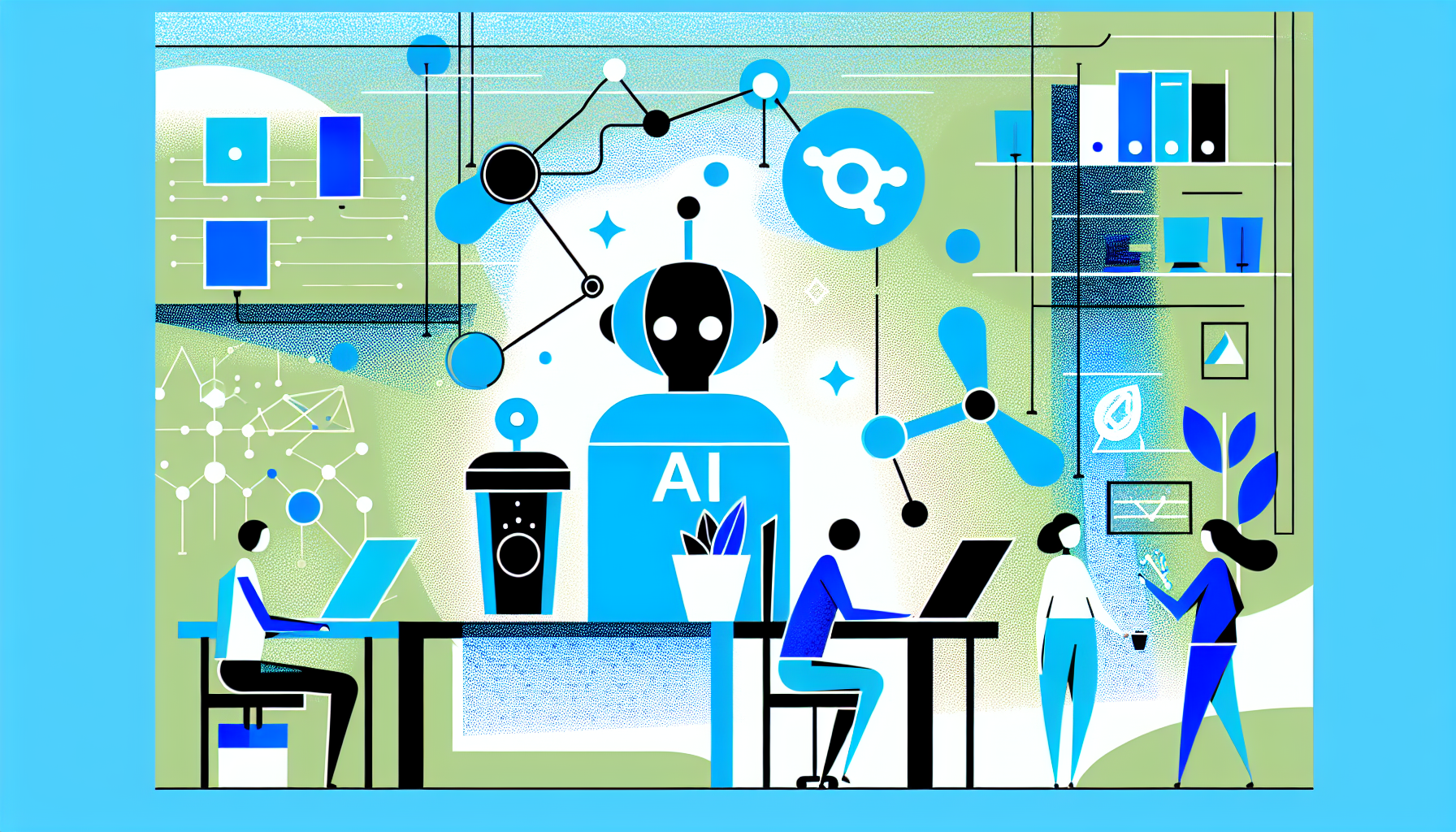
AI agents are transforming our interaction with technology, evolving from basic personal assistants into sophisticated autonomous systems. Their integration into the workforce promises enhanced productivity and significant changes across various industries, raising important ethical questions about autonomy and the future of human-machine collaboration.
Understanding AI Agents
The evolution of artificial intelligence (AI) has created a transformative landscape for technology and business, marking a significant shift in how industries engage with automation and decision-making. AI is increasingly integral to processes, enhancing personal productivity and streamlining workflow. Key applications range from recommendation algorithms that personalize user experiences to sophisticated decision support tools that improve outcomes in healthcare, finance, and marketing.
In particular, automation has positioned AI as a catalyst for change across sectors. Businesses leverage these advanced systems to enhance efficiency, reduce operational costs, and improve service delivery. For example, AI-driven analytics can process vast datasets, uncovering insights that guide strategic decisions. This automation is not without its challenges; as AI systems become more pervasive, the implications for the workforce are profound. Roles previously performed by humans may be transformed or replaced, necessitating a rethinking of job structures and skills.
Despite the disruption, the potential for human-AI collaboration remains robust. AI can augment human capabilities, enabling workers to focus on higher-level tasks that require emotional intelligence and creativity. As technology continues to advance, companies must navigate the balance between leveraging AI’s potential and addressing the ethical considerations that accompany such rapid transformation.
The Landscape of Artificial Intelligence
The advancement of Artificial Intelligence has catalyzed significant changes across numerous sectors, positioning AI agents as pivotal players in shaping productivity and decision-making processes. By leveraging sophisticated algorithms, AI has revolutionized traditional business models, enabling personalized experiences and enhancing operational efficiency. In retail, for example, recommendation algorithms driven by AI analyze customer behavior to suggest products, fostering consumer engagement and increasing sales.
In the realm of personal productivity, AI tools have become indispensable. They not only automate mundane tasks but also provide intelligent insights, effectively enhancing individual capabilities. These advancements have redefined the future of work, wherein human-AI collaboration becomes essential. As AI agents evolve, businesses must adapt, integrating these systems to bolster their workforce rather than simply replace it.
However, the rise of AI brings significant ethical considerations that must be addressed. The deployments of autonomous systems risk perpetuating biases or infringing professional autonomy. Therefore, fostering Ethical AI practices is crucial for ensuring responsible use of technology. Balancing innovation with ethical responsibilities will be essential for sustainable growth and maintaining trust in AI as an integral part of both business and personal lives.
Automation and Its Impacts
Automation is fundamentally reshaping business transformation, with AI agents playing a central role in this evolution. Through advanced technologies such as machine learning, natural language processing, and robotics, these agents facilitate automation in diverse tasks—from customer service to supply chain management. The benefits are compelling: organizations experience significant cost savings, enhanced accuracy in operations, and increased efficiency that often exceeds human capabilities.
However, the rise of automation also brings challenges. The potential for workforce displacement raises concerns about job security, as machines can perform roles traditionally held by humans. This shift necessitates a focus on reskilling and upskilling the workforce to ensure individuals are equipped for new roles that AI and automation create. Fostering an environment of continuous learning is crucial for navigating the rapidly changing job landscape, where human-AI collaboration becomes a necessity rather than an option.
Moreover, ethical considerations must guide the deployment of AI in the workplace. Ensuring transparency in AI decision-making processes and mitigating biases are imperative for building trust in these autonomous systems. As businesses embrace automation, they must balance efficiency and productivity gains with responsible practices that safeguard the interests of their employees and society at large.
AI in Business Transformation
AI agents are transforming business operations by driving efficiency and enhancing customer experience. Companies across industries are leveraging AI-driven solutions to streamline their processes, improve decision-making, and adapt to dynamic market demands. For instance, retail giants like Walmart utilize AI agents for inventory management and supply chain optimization, resulting in significant cost reductions and improved service delivery. Similarly, banks employ AI-powered chatbots for customer service, successfully increasing satisfaction rates while minimizing operational costs.
However, integrating AI into business practices presents challenges. Companies often grapple with data privacy concerns, the need for infrastructure upgrades, and employee resistance to change. To navigate these hurdles, organizations must adopt strategic approaches, including fostering a culture of openness to technology, investing in training programs to upskill staff, and ensuring robust data governance frameworks. Addressing these challenges is crucial, as businesses look to harness AI agents for enhanced personal productivity and innovation.
Ultimately, the successful adoption of AI in business transformation not only creates competitive advantages but also lays the groundwork for effective human-AI collaboration, making AI agents invaluable assets in shaping the future workforce.
Ethical Considerations in AI Development
As AI agents become increasingly autonomous, the ethical considerations surrounding their development and deployment gain prominence. Issues such as algorithmic bias present significant challenges, as these intelligent systems often reflect the prejudices of the data they are trained on. When AI systems make decisions in critical areas such as healthcare, finance, and law enforcement, biased outcomes can lead to unfair treatment and exacerbate societal inequities. Thus, organizations must prioritize accountability, ensuring that the developers of AI systems are responsible for their decisions and any adverse effects that may arise.
Furthermore, the notion of machine welfare emerges as AI agents expand their capabilities. As they become integral to business and personal productivity, ethical frameworks must address the moral responsibilities of their creators. This entails recognizing that AI agents, despite lacking consciousness, can impact lives and livelihoods.
Establishing guidelines for ethical AI is paramount in promoting responsible innovation. Collaboration among technologists, ethicists, and policymakers will be essential in fostering discussions about the implications of AI, ultimately guiding its evolution toward a future where human-AI collaboration enhances societal well-being without compromising ethical standards.
Future Visions of Human-AI Collaboration
The evolution of AI agents heralds a transformative shift in the future of work, centering on the potential for enhanced human-AI collaboration. As we envision this future, it is crucial to grasp how AI agents will support and amplify human capabilities. Moving beyond mere automation, these agents are poised to foster synergistic relationships that enhance personal productivity and drive organizational growth.
In this landscape, human workers can leverage AI to augment skills that were previously unattainable, facilitating a new paradigm of teamwork where the strengths of both humans and machines complement each other. For instance, AI may analyze vast datasets to provide actionable insights, freeing human workers to focus on strategic decision-making and creative problem-solving.
However, the societal implications extend beyond efficiency gains and productivity. A collaborative approach necessitates a shift in workforce dynamics, requiring individuals to adapt to new ways of working and to embrace lifelong learning. Organizations must also reimagine their cultures to integrate these intelligent systems effectively, paving the way for a workforce that values collaboration over competition.
Ensuring that this collaboration flourishes will require ethical considerations designed to guard against potential consequences, thus solidifying a future where human-AI partnership enhances both workplace satisfaction and societal well-being.
Conclusions
As AI agents continue to advance, they will play increasingly pivotal roles within businesses and everyday life. While their capabilities can lead to significant efficiencies, careful consideration of the ethical implications is essential to ensure a balanced coexistence between human agency and machine autonomy in the future of work.