
The Humanoid Revolution: Navigating a World of Robot Coworkers, Butlers, and Beyond
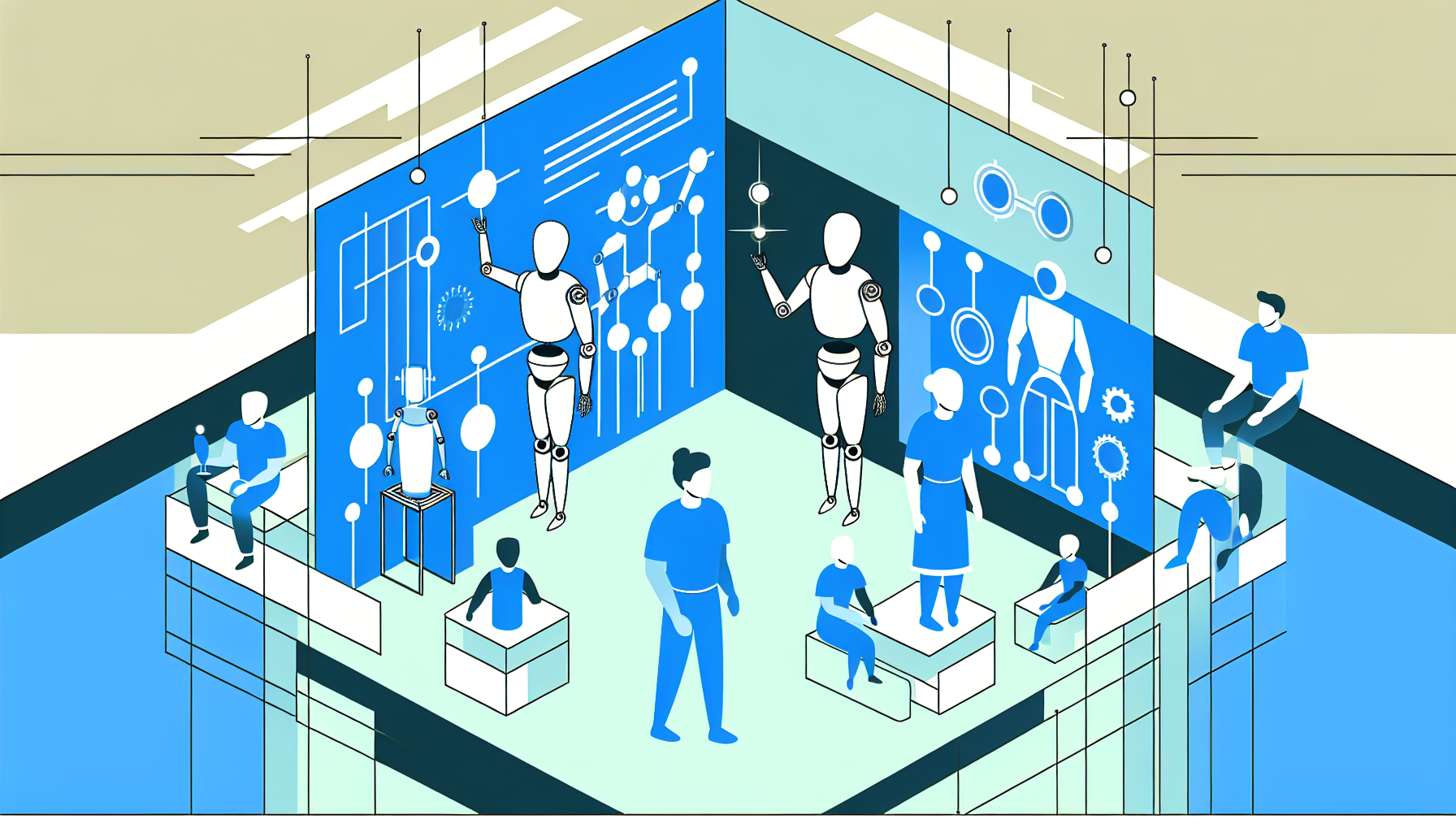
In a world increasingly influenced by technology, humanoid robots are becoming integral to our daily lives and workplaces. This article examines the advancements in robotics, the implications for society and business, and the ethical considerations we must navigate as we integrate AI and automation into our fields of work.
Understanding Humanoid Robots
The rise of automation has significantly transformed the landscape of various industries, leading to a marked reduction in human intervention across numerous processes. Automation can be categorized into several types, including fixed, programmable, and flexible automation. Fixed automation consists of highly specialized equipment designed for a specific task, while programmable automation allows reconfiguration for different tasks, often used in batch production. Flexible automation, on the other hand, accommodates varying production volumes and product types, further exemplifying the adaptability of automated systems.
Integrating humanoid robots into workplaces illustrates a profound shift towards greater automation. Unlike traditional machines, humanoid robots possess advanced AI that enables them to perform tasks in unpredictable environments, such as customer service and healthcare. These robots can interact with humans more intuitively, handling responsibilities from administrative tasks to complex problem-solving scenarios.
The economic implications of such automation are far-reaching. Businesses experience increased efficiency and quality in output, leading to potential cost savings and enhanced competitiveness. However, this shift necessitates a proactive adaptation of the workforce, as roles evolve and new skills become paramount in a landscape increasingly dominated by intelligent machines.
The Role of Automation in Workplaces
The integration of automation in the workplace signifies a transformative era, fundamentally altering how industries operate. Automation can be categorized into three main types: fixed or hard automation, programmable automation, and flexible or soft automation. Each type serves different needs, but all share a common goal: to enhance efficiency, quality, and production speed.
Humanoid robots, as a pinnacle of automation, exemplify this transformation. With their ability to perform repetitive tasks, assist in customer service, or even engage in complex interactions, they reduce the necessity for human intervention in mundane or hazardous roles. The benefits of incorporating humanoid robots into diverse work settings are manifold. They can operate continuously without fatigue, thus improving overall productivity. Furthermore, humanoid robots can enhance accuracy, which is particularly crucial in industries such as manufacturing and healthcare, where precision is paramount.
The economic implications of this shift towards automation are significant. While businesses may initially invest in high-tech humanoid systems, the long-term cost savings through enhanced productivity, reduced labor costs, and minimized errors can drive substantial growth. As industries increasingly adopt these advanced technologies, understanding the balance between human and robotic collaboration will become essential for sustainable operational success.
The Fusion of AI and Robotics
The integration of artificial intelligence (AI) with robotics is redefining operational dynamics across various sectors, resulting in humanoid robots that can perform complex tasks autonomously. AI enables these robots to learn from their environments, adjust their behavior in real-time, and enhance their problem-solving capabilities, making them invaluable collaborators in the workplace.
When we examine successful implementations, we find examples like SoftBank’s Pepper, which uses AI to recognize human emotions and adapt its interactions accordingly. These humanoid robots are being designed to manage customer service roles, providing personalized responses based on user interaction data, thereby enhancing consumer satisfaction while reducing labor costs.
Additionally, advancements in computer vision and machine learning allow humanoid robots to tackle tasks in dynamic environments. For instance, Boston Dynamics’ Atlas can navigate intricate spaces, showcasing how AI facilitates decision-making during unpredictable scenarios. This fusion of AI and robotics bolsters productivity while allowing human workers to focus on more creative and strategic endeavors, ultimately positioning robots not merely as tools but as vital team members.
Embracing this technological evolution will require businesses to invest in retraining their workforce, ensuring they can work harmoniously alongside intelligent machines, preparing for a significant transformation in the future of work.
Ethical Dilemmas in Robotics
As robotics technology advances, significant ethical questions arise, particularly concerning the treatment and rights of humanoid robots. Unlike traditional machines, these robots are designed to interact with humans in increasingly profound ways. This shift prompts us to consider how we define personhood and consciousness in a world shared with sentient-like machines. Are humanoid robots mere tools, or do they deserve a degree of ethical consideration?
Moreover, autonomous decision-making presents another layer of complexity. As robots are empowered to make choices in critical areas, such as healthcare or defense, the accountability for their actions becomes a pivotal concern. Who is responsible when a robotic system makes a mistake? This dilemma begs for robust ethical frameworks that guide the integration of autonomous systems into society without compromising human values or safety.
In discussing these challenges, it’s crucial to leverage existing guidelines, such as those proposed by organizations like the IEEE and the EU’s ethical guidelines for trustworthy AI. Only through comprehensive regulatory frameworks can we navigate this brave new world, ensuring that advancements in robotics coexist harmoniously with societal norms and ethical standards.
Transforming the Workforce
As humanoid robots and automation become integral to various industries, the transformation of the workforce is inevitable. The introduction of intelligent machines will lead to a marked shift in job roles. While some positions, particularly those involving repetitive tasks, risk displacement, new opportunities are rapidly emerging in tech-driven sectors. Fields such as robotics engineering, AI programming, and maintenance for these automated systems are expected to flourish, creating a demand for skilled workers adept in these areas.
To navigate this evolving landscape, strategies for workforce adaptation are critical. Employers must prioritize training and reskilling programs, allowing their employees to transition into new roles that demand advanced technological skills. Initiatives that promote lifelong learning will empower workers to embrace change rather than fear it.
Moreover, collaboration between businesses and educational institutions can facilitate a smoother transition. By creating tailored curriculum programs that align with industry needs, we can bridge the skills gap. As we approach a future where robots are collaborators rather than mere tools, fostering an adaptable workforce is essential for sustained business growth and innovation. The evolution of job roles will shape not just individual careers but also the broader economic landscape.
The Geopolitical Landscape in Robotics
The race for supremacy in robotics has taken on a new urgency in recent years, with nations recognizing the strategic importance of this technology. Central to this global competition is China, which has made significant advancements in humanoid robotics, underpinned by massive investments and a government-driven agenda aimed at becoming the world leader in AI and automation. This ambitious push not only seeks to enhance domestic industries but also to create products that can dominate global markets.
China’s approach includes fostering an ecosystem that encourages innovation through collaboration between academic institutions and private industries. Major firms have been rapidly prototyping humanoid robots designed for various applications—ranging from customer service to healthcare support. The implications of these advancements are profound: not only do they represent a shift in manufacturing and service paradigms, but they also pose a competitive threat to established players in the West.
As nations vie for technological leadership, the landscape of international relations is being reshaped. Countries must now consider the implications of robotics and AI within the broader context of security, trade policies, and ethical responsibility. The interplay of collaboration and competition highlights a new dimension of global dynamics, demanding that societies rethink their strategies for economic growth and technological innovation.
Conclusions
As we embrace the era of humanoid robots and automation, it’s vital to assess the impact on society and the workforce. Understanding these developments allows businesses and individuals to prepare for a future where collaboration with intelligent machines is the norm, sparking economic growth while ensuring ethical practices guide us forward.