Beyond Aesthetics The Strategic Power of Design Thinking for Business Growth
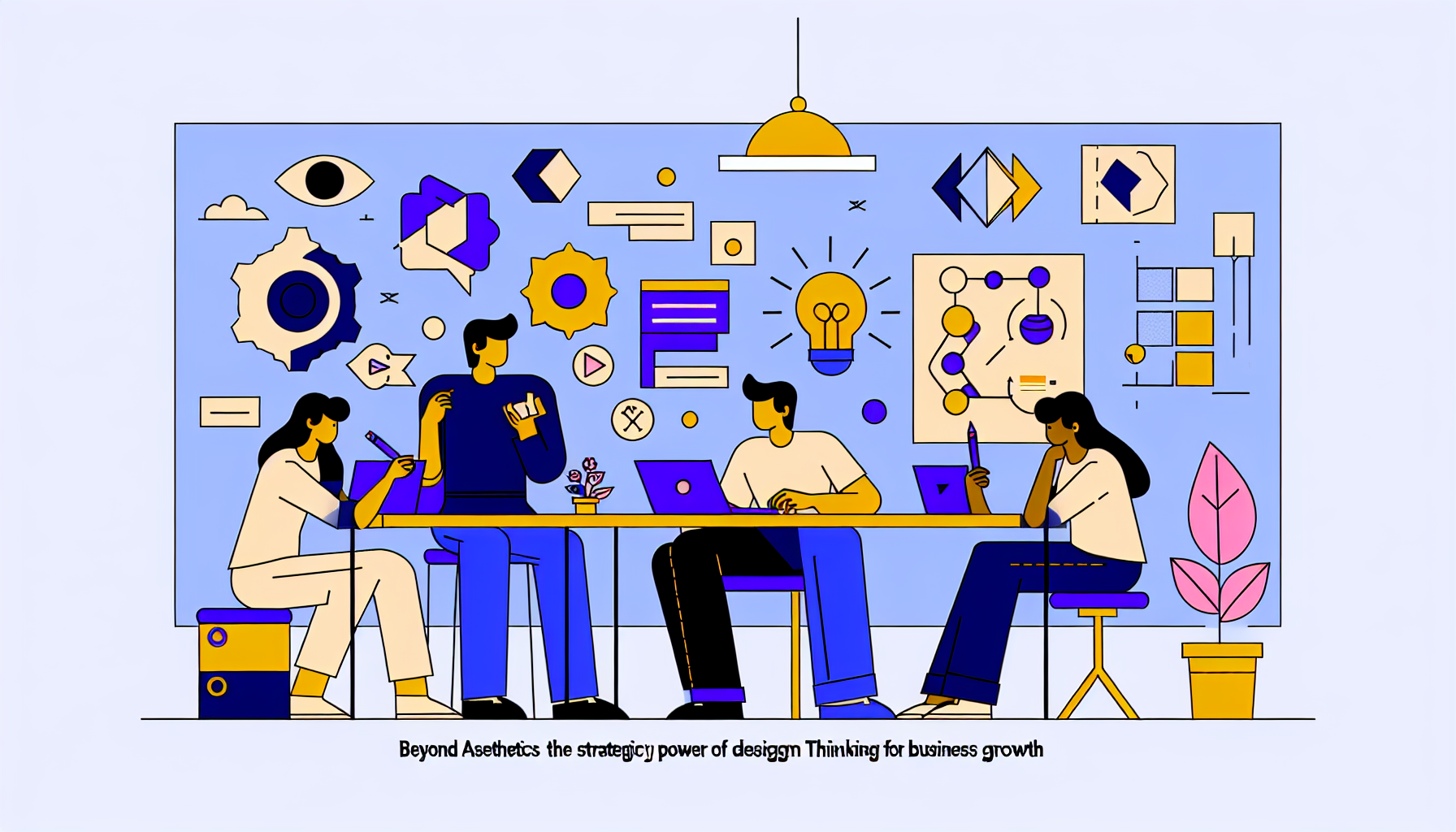
Design thinking is a transformative approach that transcends traditional design principles, positioning itself as a critical strategic tool for business innovation. This article investigates how companies can utilize design thinking to enhance problem-solving capabilities, improve user experiences, and stimulate sustainable growth through creative strategy.
Understanding Design Thinking
Design thinking has proven to be a pivotal catalyst for innovation, applicable across diverse sectors, from healthcare to technology. At its core, design thinking embodies an iterative and human-centered methodology aimed at deeply understanding users’ needs. This approach has evolved over the years, from its roots in product design to a broader philosophy that addresses complex, wicked problems. The journey of design thinking typically unfolds through five key phases: empathizing, defining, ideating, prototyping, and testing.
Empathizing with users is foundational, requiring designers to gain insights into users’ experiences, emotions, and motivations. This understanding leads to clearly defining the problem at hand, enabling teams to focus their efforts effectively. The ideation phase encourages creativity and brainstorming, fostering an environment where all ideas are considered without judgment. Prototyping transforms ideas into tangible forms, allowing for iterative refinement. Finally, testing is not merely a final step but part of a continuous loop that invites feedback and fosters ongoing improvements.
This human-centered framework has moved organizations beyond traditional solutions; it empowers them to uncover valuable insights that inform strategic decisions, making design thinking a linchpin in navigating the complexity of modern business challenges.
The Role of Strategic Design
Strategic design plays a crucial role in enhancing the effectiveness of design thinking, effectively bridging creativity with business operations. Unlike traditional design approaches that often prioritize aesthetics, strategic design delves deeper into understanding systemic challenges. It emphasizes a comprehensive perspective, aligning business objectives with the needs of the users, thereby facilitating innovative solutions.
By integrating creative strategies into every operational facet, strategic design empowers organizations to shift their focus from surface-level fixes to substantive problem-solving. This approach fosters a culture of innovation and adaptability, enabling businesses to respond to complex market demands more effectively. For instance, organizations that invest in strategic design initiatives tend to unlock new avenues for growth by anticipating user needs and leveraging insights to drive product development.
Moreover, strategic design enhances organizational competitiveness by encouraging collaboration across various departments. This cross-disciplinary synergy enriches the problem-solving process, leading to more robust and well-rounded solutions. Ultimately, by embracing a strategic design mindset, businesses can navigate uncertainty with confidence, crafting user experiences that not only fulfill immediate needs but also position them for long-term success in an ever-evolving landscape.
Leveraging Design Thinking for Business Innovation
Incorporating design thinking methodologies can significantly enhance innovation within businesses, acting as a catalyst for developing groundbreaking products and improving services. A powerful example is the case of Airbnb, which transformed the travel accommodation market by applying design thinking principles to better understand user needs. By conducting extensive user interviews and usability tests, they identified pain points in traditional lodging experiences, allowing them to innovate the platform’s user experience and create a more personalized, user-centric service.
Another striking example can be seen in Procter & Gamble’s approach to product development. By utilizing design thinking, they not only redesigned existing products but also launched successful new offerings, such as the Swiffer. Through iterative prototyping and empathetic storytelling, they found unique solutions to consumers’ cleaning frustrations, ultimately redefining the cleaning category.
These cases illustrate that when businesses leverage design thinking, they unlock a pathway to creative strategy and robust user experience design. This builds not only innovative products but also a resilient brand identity that can adapt and thrive in a competitive marketplace, driving significant business growth.
Problem Solving Through a Design Thinking Lens
Within the framework of design thinking, problem solving evolves into an innovative process defined by empathetic understanding and experimentation. Different types of problems often arise, ranging from well-defined issues to complex, ambiguous challenges. The significance of problem framing cannot be overstated; it shapes how teams perceive the issue at hand and dictates the trajectory of their solutions. A targeted question can unlock pathways to novel insights that drive impactful strategies.
To navigate multifaceted challenges, solution-focused strategies rooted in design thinking include ideation sessions, prototyping, and iterative testing. These frameworks encourage creative exploration while prioritizing user feedback—ensuring that developed solutions are both relevant and effective. For example, when Bank of America faced user friction in mobile banking, they applied design thinking principles. By re-framing their understanding of customer stress points and conducting iterative testing with real users, they successfully launched a revamped app that significantly enhanced user engagement and satisfaction.
Another compelling case is AirBnB, which faced issues with host and guest interactions. Through design thinking, they re-defined the user journey and implemented innovative features that improved communication and trust, ultimately leading to significant business growth. Both examples highlight how design thinking empowers organizations to tackle complex problems with a structured yet flexible approach, paving the way for meaningful challenges and growth opportunities.
Enhancing User Experience Design
Effective user experience (UX) design hinges on a profound understanding of user needs and behaviors, principles that are at the core of design thinking. By employing a human-centered approach, businesses can derive deeper insights into how users interact with products or services. This understanding is crucial for identifying pain points and opportunities for enhancement, enabling the design of experiences that resonate with users on an emotional as well as functional level.
At its essence, applying design thinking to UX requires empathy – the ability to immerse oneself in the user’s world, to observe, and to listen. Engaging in user research methods such as interviews, surveys, and usability testing reveals not just what users do, but why they do it. This insight informs design choices, leading to more engaging and intuitive interactions. For instance, applying iterative prototyping allows designers to continuously test solutions, refine interactions, and adapt based on user feedback, ultimately yielding designs that enhance usability and promote satisfaction.
Moreover, the integration of design principles fosters creativity in addressing complex interactions, resulting in products that are not only functional but also delightful. By prioritizing the end-user in the design process, organizations can create experiences that drive customer loyalty, significantly influencing overall business success.
Implementing Design Thinking in Agencies
To successfully integrate design thinking into agency services, a structured approach is essential. First, begin by fostering a culture of creativity and collaboration. Encourage cross-departmental brainstorming sessions that bring together diverse skill sets and perspectives. This interdisciplinary approach not only promotes innovative ideas but also nurtures an environment where team members feel valued and empowered to contribute.
Next, invest in training staff in design methodologies. Workshops on human-centered design, prototyping, and iterative testing can equip team members with practical skills. Collaborate with experienced design thinkers to guide your team through real-world applications, ensuring they grasp the nuances of the process. This hands-on experience allows staff to integrate and apply design thinking in their daily work.
To gauge the effectiveness of these initiatives, establish metrics that measure both qualitative and quantitative outcomes. Use client feedback, project success rates, and user engagement metrics to assess how design thinking impacts client success. Regularly review these indicators to make necessary adjustments and refine your approach. By embedding design thinking deeply within your agency’s fabric, you will not only boost innovation but also enhance client satisfaction and business growth.
Conclusions
In conclusion, design thinking emerges as an essential strategic framework that empowers businesses to innovate and solve complex challenges. By embracing a user-centered approach and integrating design thinking into their operations, companies can drive sustainable growth and enhance their competitive edge in an ever-evolving market.