
The Psychology of AI Interaction Building Trust Community and Connection in an Algorithm-Driven World
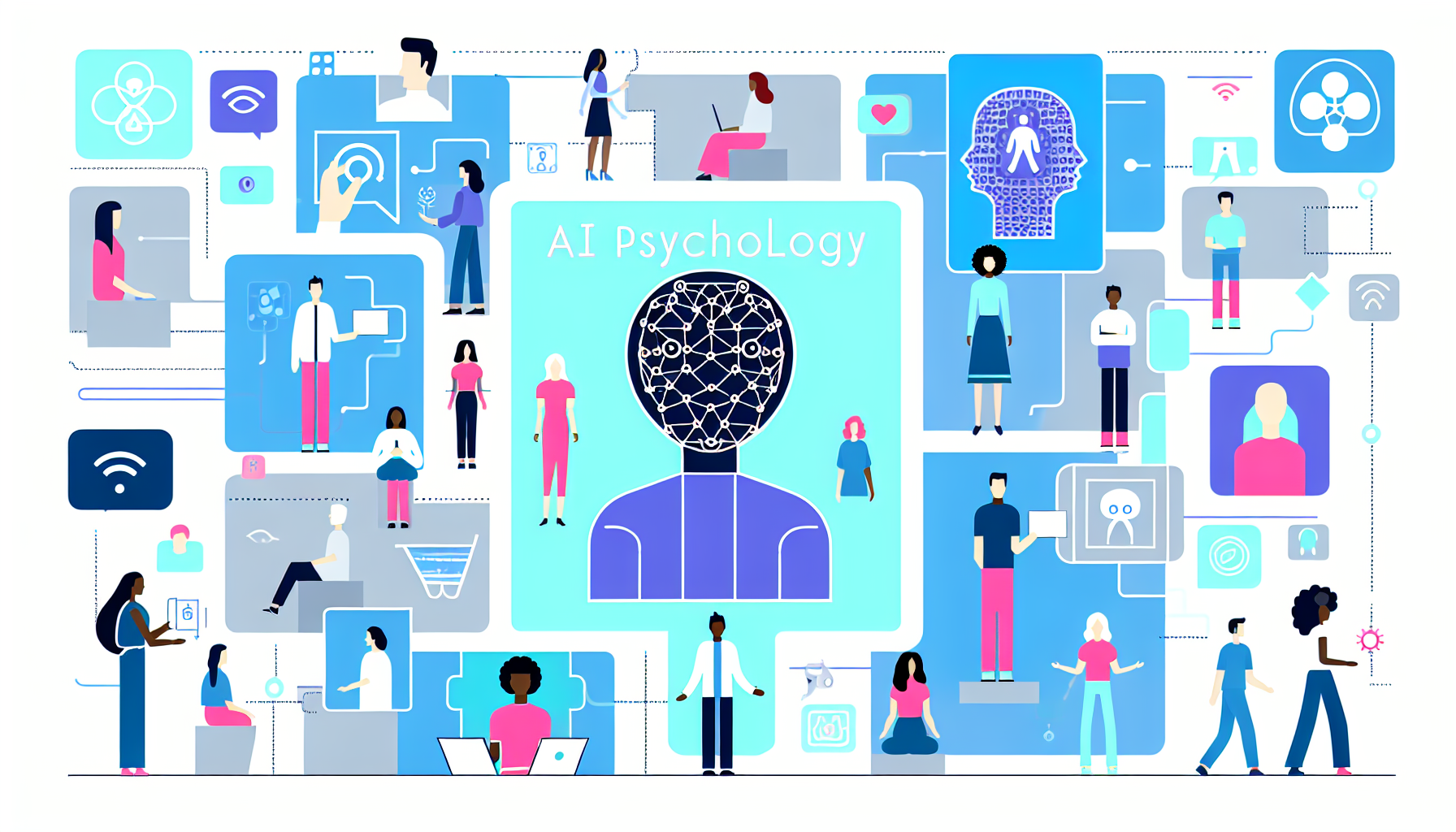
The growing presence of AI in our daily lives reshapes how we connect and engage with technology. This article delves into the psychological and sociological implications of human-AI interactions, exploring themes such as trust, community, and connection amidst the rise of algorithm-driven systems. Understanding these dynamics is essential for navigating this evolving landscape.
Understanding AI Psychology
As AI systems evolve, the dynamics of human-AI interaction are undergoing significant transformation. Traditional human-computer interfaces, characterized by distinct user commands and rigid responses, are giving way to collaborative systems that engage users more intuitively. This shift necessitates a deeper understanding of users’ mental models regarding the capabilities and limitations of AI. Users must adapt their expectations, recognizing that AI can behave in ways that mimic human understanding and emotion, yet still function under the constraints of algorithmic logic.
User feedback plays a crucial role in this evolving landscape, directly influencing AI learning and performance. When users provide insights about their interactions, AI systems can adjust and refine their responses, fostering a sense of agency and partnership. This feedback loop also enhances trust, as users become more confident in systems that adapt to their needs and preferences.
However, this relationship is not without challenges. Misalignments between user expectations and AI understanding can lead to frustration and diminish trust in these technologies. As we continue to integrate AI into daily life, it’s essential to prioritize user experience, ensuring that these interactions are not only efficient but also enriching, promoting a harmonious coexistence in our algorithm-driven society.
Human-AI Interaction Dynamics
The dynamics of human-AI interaction are rapidly evolving, shifting from traditional transactional interfaces to a more collaborative partnership. As AI systems become increasingly sophisticated, understanding users’ mental models becomes paramount. Users often approach AI with preconceived notions shaped by prior experiences and social influences, which can affect their expectations and engagement levels. This shift necessitates AI systems that not only perform tasks efficiently but also resonate with the human emotional landscape, fostering a sense of connection and community.
User feedback plays a critical role in refining AI functionalities and enhancing the reliability of these systems. Continuous learning through feedback loops encourages AI to adapt to individual preferences and social contexts, creating a more tailored experience. However, the reliability of these systems heavily depends on their interpretability. Transparent algorithms allow users to grasp the “why” behind AI decisions, thereby cultivating digital trust. This trust is essential for the integration of AI companions into daily life, as it influences users’ willingness to engage in deeper interactions.
As we navigate this evolving landscape, there lies a profound potential to redefine our social paradigms and enhance digital well-being through meaningful human-AI connections.
Ethical Considerations in AI Development
Fostering ethical AI development is vital as AI systems permeate daily life. The rapid integration of AI into our personal and social environments raises significant ethical considerations. Central to this discussion are the principles of algorithmic fairness, accountability, and transparency. Algorithmic bias threatens to reinforce societal inequities, as evidenced by cases where facial recognition technologies misidentified individuals of certain racial groups. Such disparities not only challenge ethical standards but also undermine trust in AI systems, leading to skepticism and disengagement.
Designers and developers must prioritize these ethical considerations, ensuring that their AI systems do not inadvertently perpetuate existing biases. This can be achieved by implementing robust bias detection and mitigation frameworks throughout the AI development lifecycle. Furthermore, transparency in the algorithm’s decision-making processes empowers users to understand how AI systems operate and make choices, fostering a sense of agency.
Taking accountability is equally crucial. Developers must be prepared to address the consequences of their algorithms, promoting a culture where feedback from end users informs continuous improvement. By embedding these ethical practices into AI development, we lay the groundwork for a healthier relationship between humans and AI, ultimately enhancing the community’s trust and connection with these technologies.
Cultivating Digital Trust in AI
Digital trust is essential for embracing AI technologies, particularly as they grow more autonomous and integrated into our daily lives. One effective strategy for cultivating this trust is through **user engagement**. Actively involving users in the development and refinement of AI systems provides a sense of ownership and accountability, encouraging their acceptance of these technologies. This engagement can take many forms, from beta testing new features to participating in focus groups, all prioritizing the voices of users.
**Transparency** is another critical element in fostering digital trust. Providing clear insights into decision-making processes helps users understand how AI systems operate and the rationale behind decisions. This openness can mitigate feelings of alienation or manipulation, as users are less likely to feel like they are interacting with an inscrutable “black box.”
Moreover, **incorporating user feedback** is vital for improving AI reliability. Systems that adapt based on user experiences cultivate a sense of partnership, where AI is seen not merely as a tool but as a collaborator. Collectively, these strategies contribute not only to a more positive AI user experience but also to the larger goal of community building. In an algorithm-driven world, trust becomes the foundation upon which meaningful relationships between humans and AI can flourish, paving the way for a more connected digital society.
The Role of Online Communities in Enhancing Connectivity
Online communities are emerging as vital platforms that enhance the human-AI interaction landscape. These digital spaces foster collective learning, enabling users to share experiences, troubleshoot challenges, and discuss the implications of AI technologies on their lives. By bringing together diverse voices, online communities promote the creation of socially aware AI that reflects shared ethical standards.
As trust in AI systems evolves, these platforms serve as a crucial forum for dialogue about digital ethics and algorithmic responsibility. Engaging in discussions around fairness, bias, and transparency allows community members to collectively advocate for responsible AI design. This collaborative environment nurtures a sense of belonging and empowers users to voice their concerns and ideas.
Moreover, AI companions play a significant role in enhancing community engagement by bridging the gap between individuals. They facilitate interactions, encouraging members to connect with one another through shared interests and experiences. With AI acting as a conversational catalyst, users can form deeper connections, while also addressing the nuances and challenges posed by human-AI relationships. Ultimately, such communities can enhance overall digital well-being, creating a more connected and empathetic society in an algorithm-driven world.
Navigating the Future of AI Companionship
As we integrate AI companions into our everyday lives, we find ourselves at a crucial crossroads that impacts personal relationships and creates new dynamics in emotional well-being. The allure of AI companions lies in their potential to offer consistent and empathetic support, often filling gaps created by physical distance or emotional unavailability in human relationships. However, this convenience also raises significant ethical questions regarding dependence. As people increasingly turn to AI for companionship, the intricate balance between enriching personal connections and risking emotional isolation becomes problematic.
AI companions have been designed to understand and respond to human emotions effectively, tailoring interactions to meet individual needs. While this personalization can enhance user experience, it also risks creating an artificial sense of connection. Users may come to rely on these digital entities for social interaction, potentially leading to a decline in genuine human relationships. The notion of companionship becomes complex; are we enhancing our lives, or are we, subconsciously, trading authenticity for algorithmic predictability?
Importantly, the effectiveness of AI companions in supporting emotional well-being depends not only on AI design but also on the societal framework that surrounds their use. Neighborly connections, community bonds, and genuine empathy need to be preserved and promoted, even as people engage more deeply with their algorithmic counterparts. Maintaining vigilance for the signs of over-reliance is crucial, as we navigate a future where the lines between human and AI interactions blur ever further.
Conclusions
As AI continues to integrate into social and personal realms, cultivating trust, building communities, and fostering meaningful connections remain critical challenges. This article highlights the necessity of mindfulness in AI interaction to maximize benefits while mitigating risks, ensuring a better future for human-AI relations.