The Rise of the Agentic Team: How AI Colleagues are Reshaping Human Roles and Business Productivity
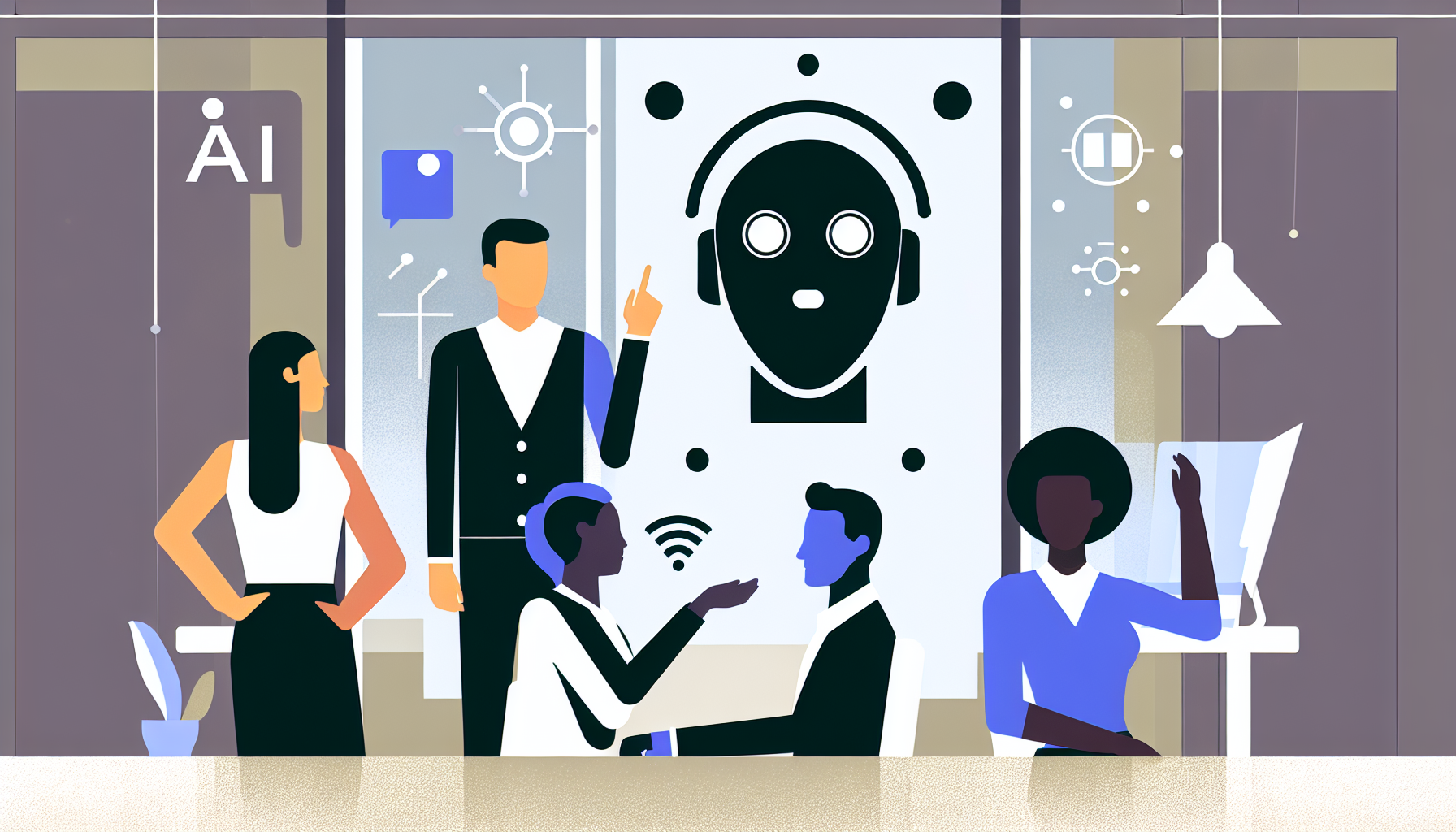
The future of work is being redefined by AI agents, which are evolving from mere tools to essential team members. This article explores the collaborative dynamics between human workers and agentic AI systems, how they are transforming business productivity, and the implications for workforce development and ethical practices in this new reality.
Understanding AI Agents
The emergence of agentic AI is fundamentally altering the workforce landscape, positioning these intelligent systems not merely as tools but as collaborative team members capable of decision-making and strategic thinking. These agents can process vast amounts of data, recognize patterns, and make recommendations based on real-time insights, paving the way for a more dynamic working environment. In sectors such as finance, healthcare, and customer service, AI agents are automating complex tasks, from predictive analytics to personalized user experiences, thereby enhancing productivity and efficiency.
The ability of AI agents to learn and adapt from interactions makes them distinct, enabling organizations to deploy them for various functions ranging from project management to talent acquisition. For example, AI-driven platforms are increasingly utilized for analyzing employee performance data, informing management decisions, and identifying potential for career development. The agentic nature of these AI systems means they can participate actively within teams rather than serve solely as passive assistants.
Such advancements necessitate a shift in workplace culture, requiring human employees to embrace a more collaborative approach while developing new skills for effective human-AI interaction. This evolution not only redefines job roles but also fosters an environment where innovation thrives through shared intelligence.
The Future of Work
As automation and AI increasingly infiltrate the workplace, the structure of employment and traditional roles is undergoing a seismic shift. The emergence of AI agents as integral team members is reshaping job responsibilities, requiring workers to adapt to an environment where collaboration with intelligent systems is paramount. In this landscape, occupations are not merely disappearing; they are evolving.
Various roles are being redefined, particularly those that involve routine decision-making, data analysis, and customer interactions. Positions in project management, real estate, and even creative fields are transforming as AI agents take on aspects of these roles, effectively automating complex tasks. Conversely, entirely new career paths are emerging in AI oversight, ethics, data analytics, and human-AI integration, positioning the workforce to embrace a new era of collaborative innovation.
While job displacement is a legitimate concern, it is crucial to also focus on the upskilling of employees to manage AI tools and leverage their capabilities. This shift towards agentic collaboration necessitates a fundamental rethinking of career development strategies, emphasizing adaptability, technical skills, and emotional intelligence as vital components of future job requirements. Thus, the future of work is not merely about automation; it is about redefining what it means to be a human worker in an era where AI plays an influential role in shaping productivity and collaboration.
Human-AI Collaboration
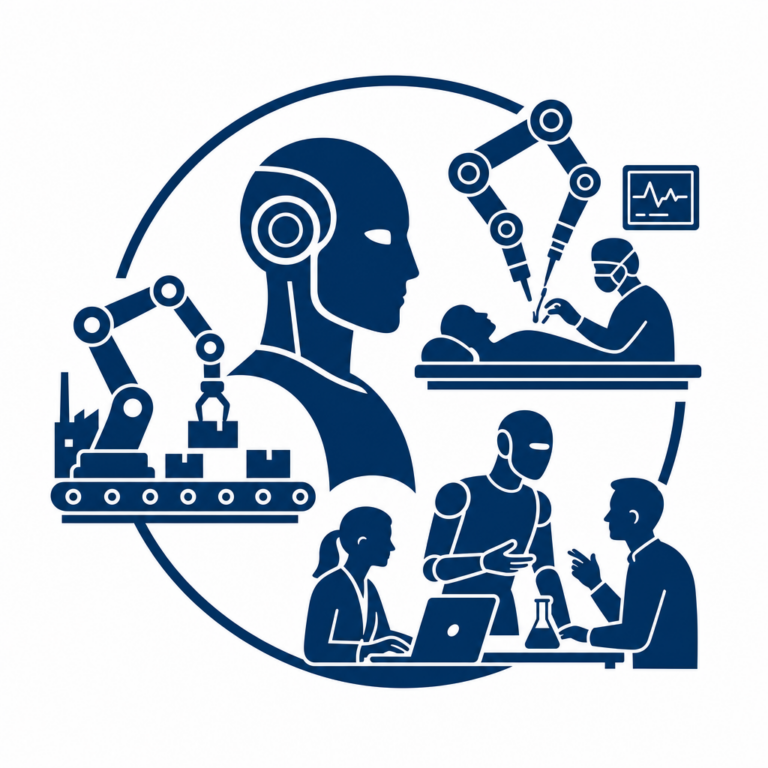
As businesses embrace advanced AI agents, the dynamics of human-AI collaboration are evolving, enhancing the capabilities of human workers rather than replacing them. These AI systems go beyond traditional automation; they serve as partners in decision-making and task execution, leading to synergies that leverage the strengths of both human intelligence and computational efficiency.
Models of collaboration can be seen in various industries. For instance, in healthcare, AI algorithms assist radiologists in identifying anomalies in imaging scans, enhancing diagnostic accuracy and reducing time spent on routine cases. In customer service, AI chatbots handle initial inquiries, allowing human agents to focus on complex issues, fostering a more efficient workflow and improved customer satisfaction.
Case studies highlight successful human-AI partnerships, such as in the automotive industry, where project teams utilize AI for predictive analytics in design and manufacturing processes. This partnership allows for rapid adjustments based on real-time data, ultimately increasing productivity.
In these collaborative frameworks, it is clear that human creativity, emotional intelligence, and contextual understanding are augmented by AI capabilities, creating a new paradigm where both entities drive business success together. This harmonious coexistence encourages ongoing skills development and adaptation.
Workforce Transformation
As the integration of AI agents becomes more prevalent in modern organizations, workforce dynamics are undergoing a significant transformation. The rise of agentic AI not only changes the nature of work but also necessitates a reevaluation of the skills required for effective collaboration. Employees must develop competencies that complement AI capabilities, such as critical thinking, emotional intelligence, and adaptability. These skills become vital as human workers learn to leverage AI insights rather than compete with them.
Continuous learning is essential in this evolving landscape. Organizations must foster a culture of lifelong education, encouraging employees to pursue training in areas like data literacy and AI ethics. By incorporating AI training into employee development programs, companies can empower their workforce to navigate complex interactions with AI agents confidently.
Moreover, understanding and managing the changes in organizational structures is critical. Traditional hierarchies may become less relevant as teams form around specific tasks, blending human talent with AI-driven insights. Emphasizing teamwork, flexibility, and cross-disciplinary collaboration will be essential in cultivating a workforce that can thrive alongside intelligent systems. As organizations embrace these changes, they can create an inclusive environment where both human and AI contributions are valued, leading to innovative solutions and heightened engagement.
Enhancing Business Productivity
AI agents are revolutionizing the way businesses operate, significantly enhancing productivity across various sectors. By automating complex tasks—once thought to require human intuition and oversight—these advanced AI entities streamline workflows, allowing human colleagues to focus on higher-level strategic initiatives. For instance, AI can analyze vast datasets far quicker than a human, identifying trends and insights that might take weeks to surface through manual analysis. Businesses can measure productivity gains through metrics such as output per hour, time saved on repetitive tasks, and overall project completion rates.
The financial performance of organizations also benefits from AI’s capabilities. By reducing the time needed for project execution and minimizing human error in data handling, companies see faster turnaround times and improved service delivery. The cascading effects of these improvements extend to customer satisfaction as well, creating a more responsive and agile business framework. Moreover, as AI tools take over mundane tasks, human workers are liberated to pursue creative problem-solving and innovation, ultimately driving growth and enhancing competitive advantage. As businesses adapt to this AI-integrated landscape, they must remain diligent about reskilling their workforce, ensuring that employees evolve alongside technology to leverage newfound efficiencies fully.
Ethical Considerations in AI Deployment
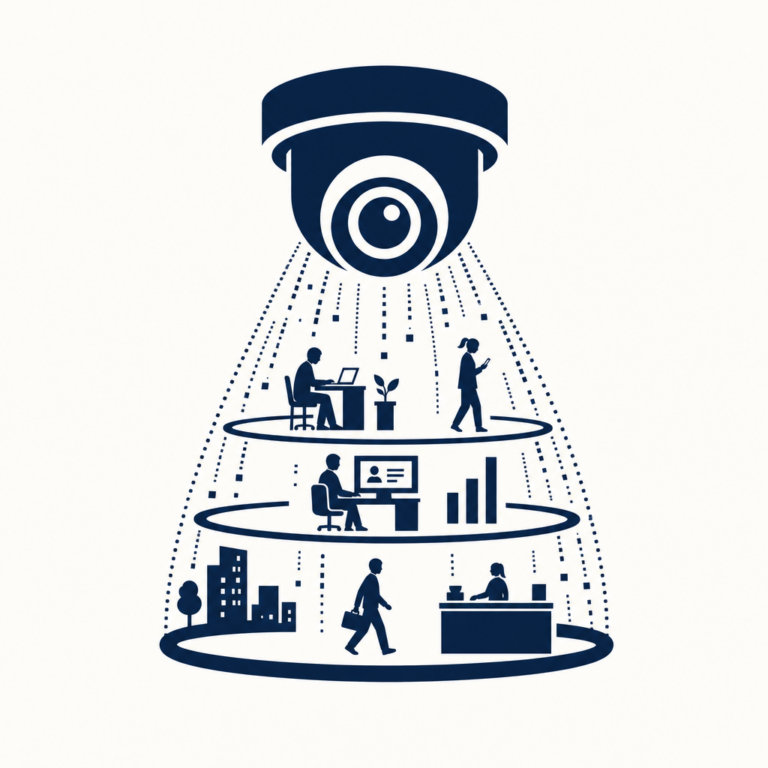
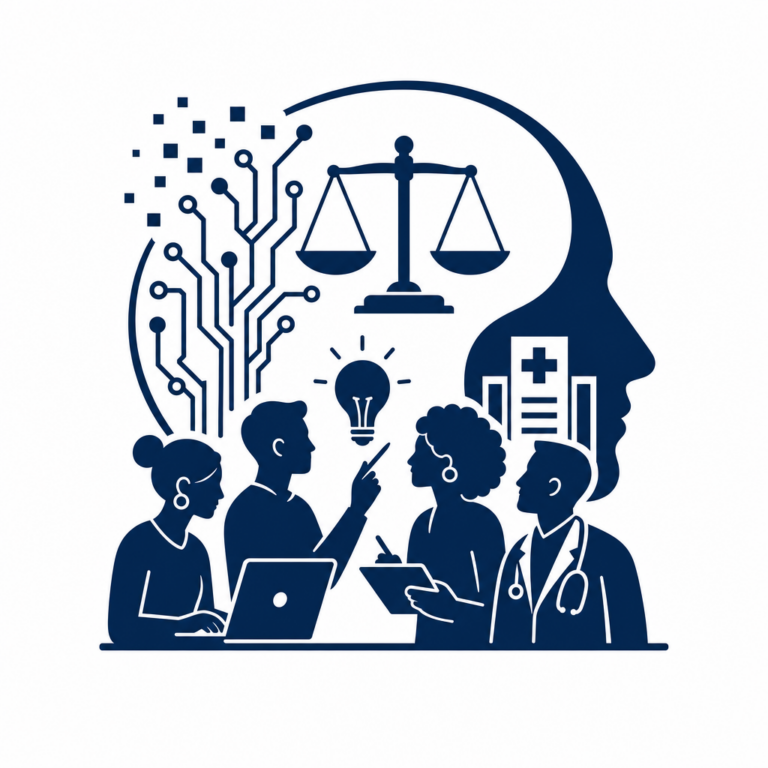
As AI agents become integral members of the workforce, ethical considerations surrounding their deployment cannot be overlooked. Issues such as algorithmic bias, transparency, and accountability raise critical questions for organizations. Algorithmic bias, stemming from flawed data or design, can perpetuate inequalities, influencing hiring decisions or performance evaluations unfairly. This reality underscores the need for diverse and representative data sets to train AI systems, ensuring equitable outcomes.
Transparency in AI decision-making processes is vital for fostering trust among employees. When AI agents assume roles traditionally held by humans, organizations must cultivate an environment where team members understand how these systems work. Clear communication about the AI’s functions and limitations is essential for collaboration and acceptance.
Furthermore, accountability is paramount. Organizations must establish protocols to address failures or biases in AI performance, assigning clear responsibilities to human operators. An ethical framework for AI use should include guidelines for regular audits, the implementation of corrective measures, and ongoing education for employees about responsible AI interactions.
By proactively addressing these ethical dilemmas, businesses can mitigate potential harms and foster a more inclusive, transparent, and effective workforce transformation that benefits both AI agents and their human counterparts.
Conclusions
In conclusion, the integration of AI colleagues promises to enhance productivity and reshape team dynamics. However, as we embrace these intelligent agents, it is essential to address the ethical implications and ensure that human roles are valued and developed alongside advancing technologies. The future relies on harmonious integration and continuous learning.