AI’s Creative Revolution: Empowering Creators and Shaping the Future of Digital Content
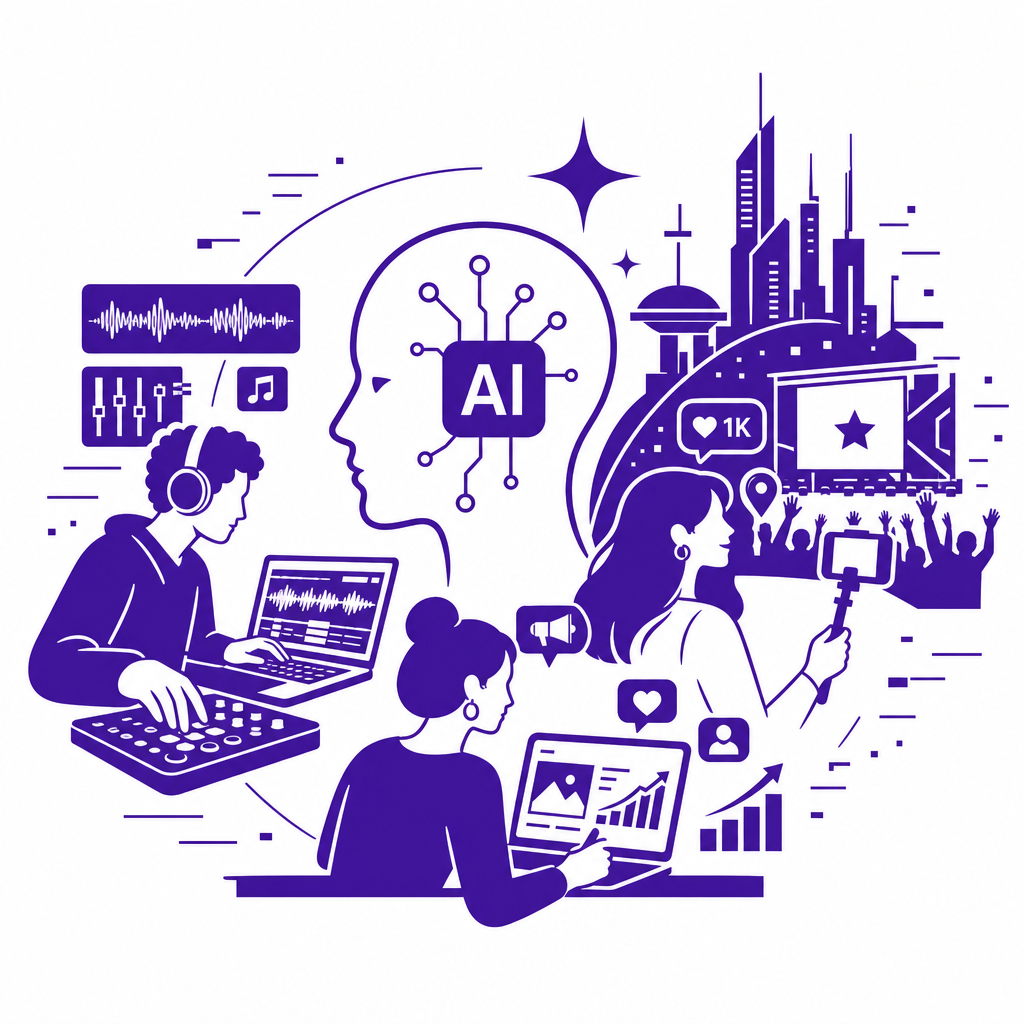
In today’s rapidly changing digital landscape, artificial intelligence is becoming an essential ally for creators across various media. This article examines how AI tools are revolutionizing content creation, enhancing audience engagement, and providing new opportunities for ethical marketing in the creator economy. We will explore the intricate dynamics between AI, creativity, and regulation in a fast-evolving market.
Harnessing AI Tools for Content Creation
As the creator economy rapidly evolves, it stands as a testament to the power of digital platforms in shaping new avenues for monetization and audience engagement. At its core, the creator economy enables individuals to turn their passions into sustainable sources of income. Artificial intelligence plays a pivotal role, offering innovative solutions that streamline monetization avenues through data-driven insights and personalized content.
AI-powered algorithms optimize subscription models by analyzing audience preferences, allowing creators to customize offerings that resonate deeply with their followers. Additionally, creators are leveraging AI tools to develop unique merchandise, tailoring products to match the tastes of their communities. Sponsorships also gain a new dimension, as brands increasingly rely on AI analytics to identify and engage influencers whose values align with their message.
Social media marketing is crucial in this landscape, serving as a bridge between creators and their audiences. By facilitating direct interactions, social platforms empower creators to build personal brands and foster loyalty. However, this evolution raises important economic questions regarding fairness, revenue distribution, and sustainability, posing challenges that require thoughtful navigation in the burgeoning creator economy.
The Rise of the Creator Economy
The creator economy, a term defining the ecosystem of individuals who produce content across various digital platforms, has seen explosive growth driven by the rise of social media and content-sharing apps. This transformation allows creators—from writers and musicians to visual artists and influencers—to monetize their crafts in diverse ways. AI is at the forefront of this evolution, enabling creators to explore innovative revenue streams through subscription models, merchandise sales, and targeted sponsorships.
Furthermore, social media marketing plays a crucial role in shaping creator brands and fostering direct relationships with their audiences. Tools powered by AI can streamline the marketing process, allowing creators to efficiently engage with their followers, analyze trending topics, and optimize content for better reach. With platforms facilitating seamless connections, brand collaborations have become more strategic, often leveraging an influencer’s niche audience for maximum impact.
The economic implications of the creator economy extend beyond financial benefits. As creators establish their brands, the traditional notions of employment and income are redefined, challenging established business models in the digital marketing space. Embracing the creator economy, businesses must now adapt to collaborate with engaged content producers, ultimately reshaping their own approaches to marketing and customer engagement.
AI-Driven Personalization in Audience Engagement
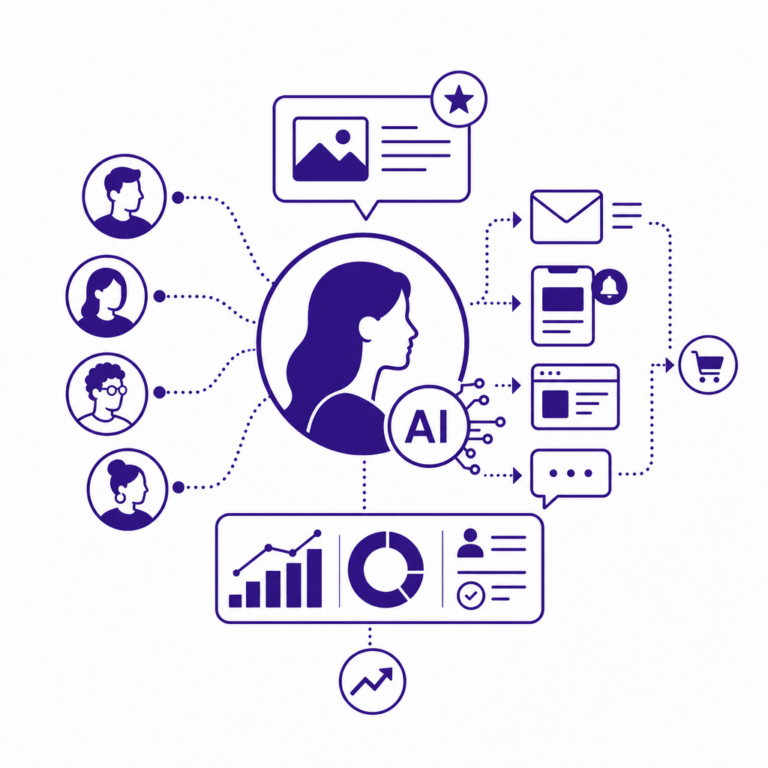
As AI continues to reshape the creative landscape, its capacity for personalized audience engagement has emerged as a game-changer. Utilizing advanced algorithms, AI analyzes user behavior, preferences, and interactions to craft tailored content experiences that resonate on an individual level. For instance, streaming platforms like Spotify and Netflix utilize AI-driven recommendation systems to enhance viewer engagement through curated playlists and personalized show suggestions. This not only enhances user satisfaction but also significantly boosts audience retention rates.
Brands have increasingly recognized the potential of AI in digital marketing, employing these algorithms to foster deeper, more meaningful interactions with their customers. Take the example of e-commerce giants that use AI to recommend products based on past purchases, browsing history, and social media activity. This level of personalization leads to increased customer loyalty and conversion rates, illustrating the powerful impact of AI in fostering lasting relationships.
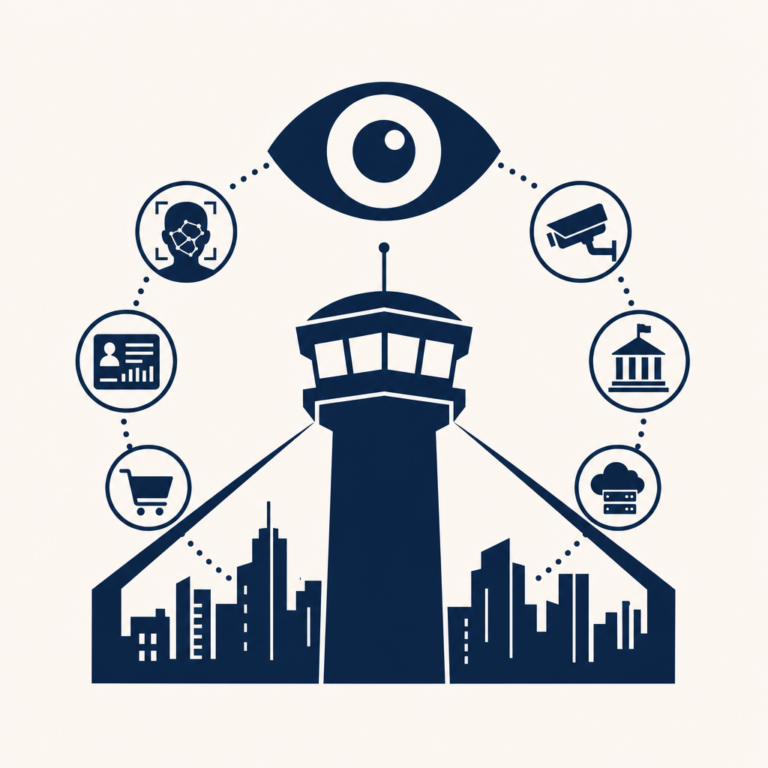
However, the balance between personalization and privacy remains a critical concern. Organizations must navigate ethical considerations, ensuring that user data is handled responsibly while still leveraging AI to enhance audience engagement. As brands embrace AI in their social media marketing strategies, they must remain vigilant, maintaining transparency and trust with their audiences. This evolving landscape presents exciting opportunities for creators and marketers alike, but careful navigation of ethical boundaries will be crucial for sustainable success.
Creative AI: The Future of Artistic Expression
As creative AI emerges as an innovative partner in artistic endeavors, it reshapes the boundaries of expression across various mediums such as visual arts, music, and literature. AI-generated art platforms empower creators by providing tools that facilitate unprecedented levels of experimentation. Artists wield generative algorithms to explore styles and create works that blend human intuition with machine learning, often resulting in distinct pieces that challenge conventional aesthetics.
In music, AI tools assist composers by analyzing vast sound databases, suggesting melodies, harmonies, and beats, which expand creative possibilities. Similarly, in literature, AI can generate compelling narratives or assist writers in overcoming creative blocks, sparking new ideas and perspectives.
However, this collaboration raises questions surrounding authorship and originality. When an AI contributes significantly to the creation of art, who holds the copyright? The debate deepens as artists adopt AI, with some advocating for recognition of AI’s role and others emphasizing human creativity’s primacy. As these discussions evolve, future trends will likely focus on redefining creativity itself, fostering a more inclusive view that values both human and AI contributions. This landscape will inevitably impact the creator economy, driving both innovation and the need for ethical considerations in artistic expression.
Evolving Regulations and Ethical Considerations
As AI continues to shape the future of digital content, evolving regulations are paramount to safeguard creators and marketers in this innovative landscape. One pressing issue is the delineation of responsibility: who is accountable when AI-generated content spreads misinformation or infringes on existing copyrights? This uncertainty emphasizes the need for transparent guidelines that navigate the blurry lines of authorship.
Additionally, the rise of influencer marketing within significant events, like the World Cup, necessitates careful regulation. With AI tools enhancing audience engagement, there is potential for misuse—algorithms that create misleading narratives or the over-commercialization of personal brands can exploit public trust. Ethical considerations thus arise regarding the potential manipulation of information and the representation of authenticity.
Marketers and creators must embrace responsible AI use, prioritizing ethical practices that promote fairness and transparency. As regulations adapt to address these challenges, it is crucial for stakeholders to remain engaged in conversations about ethical AI, ensuring that innovations foster creativity while respecting the dignity and rights of all involved. This collective effort will define the future of content creation, influencing strategies in digital marketing and collaborative endeavors.
Navigating Copyright and Monetization in an AI-Assisted World
The integration of AI in content creation presents multifaceted challenges regarding copyright and monetization that creators must navigate. As AI tools increasingly generate videos, music, and written content, questions arise about who owns these creations. Current copyright legislation, primarily designed for human authors, struggles to address AI’s unique role in authorship. For creators, this murky terrain can complicate claims to ownership and the potential for profit.
Many creators are turning to strategies such as licensing agreements and collaborative partnerships with AI developers to protect their intellectual property. Understanding the nuances of copyright law and remaining transparent about the AI’s role in content generation are essential first steps. Creators can benefit from documenting the creative process, demonstrating their contributions to works that involve AI. Additionally, embracing open dialogue with audiences regarding the AI’s influence can foster trust and clarity.
In this evolving landscape, finding a balance between leveraging AI capabilities and safeguarding one’s work is key. As regulations adapt, creators must stay informed and proactive, transforming these challenges into opportunities in the burgeoning creator economy while ensuring ethical practices that resonate positively with their audiences.
Conclusions
As AI continues to reshape the creative industry, it presents unprecedented opportunities and challenges for creators and brands alike. Navigating these changes with a focus on ethical considerations and innovative strategies will be key to thriving in the digital content ecosystem. Embracing AI can enhance creativity and foster meaningful connections with audiences, paving the way for a prosperous creator economy.