
The Silent Battle: Safeguarding Digital Infrastructure Against Sophisticated Cyber Threats
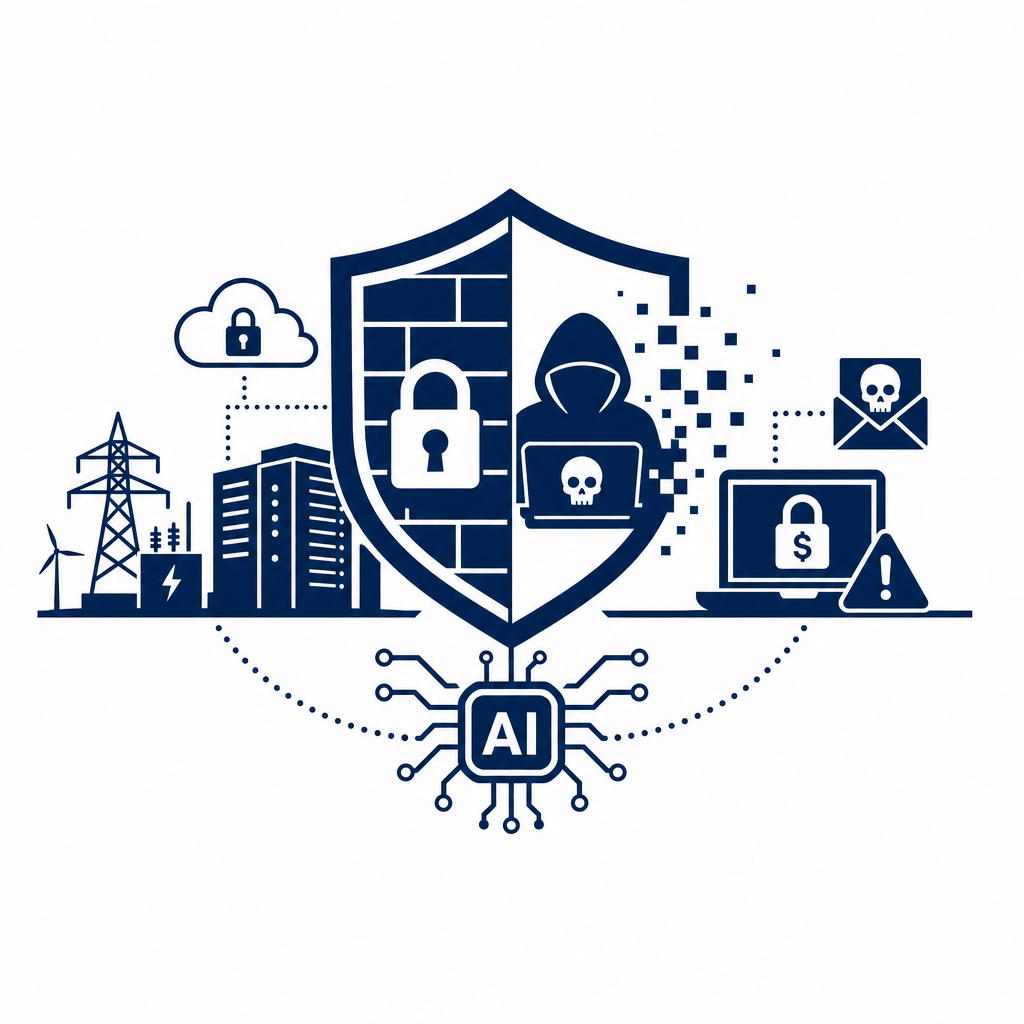
As the digital landscape evolves, so do the threats targeting our critical infrastructure. From state-sponsored cyber warfare to pervasive ransomware attacks, the stakes have never been higher. This article provides an in-depth exploration of the current cyber threat landscape and the proactive measures organizations are implementing to safeguard their digital assets.
Understanding Cyber Threats
In recent years, ransomware has solidified its position as a leading threat within the realm of cybersecurity, demanding both attention and innovation from defenders. Attackers leverage sophisticated techniques to pierce organizational defenses, often through phishing emails or vulnerable software. Once inside, the malicious software encrypts critical files, rendering them inaccessible until a ransom is paid. Typically, demands can range from thousands to millions of dollars, often accompanied by threats to expose sensitive data if compliance isn’t met.
Case studies highlight the devastating financial and operational impacts. For instance, the 2021 Colonial Pipeline attack not only disrupted fuel supply across the Eastern United States but also forced companies to pay ransom to restore access. This incident exemplifies the dual peril of ransomware—not only do organizations face immediate financial outlays, but they also grapple with long-term reputational damage that can erode customer trust.
Furthermore, the ripple effects of these attacks extend beyond individual businesses, posing significant risks to critical infrastructure and national security. As businesses continue to navigate this hostile landscape, enhancing incident response protocols and investing in advanced cybersecurity measures have become non-negotiable strategies for resilience against this pervasive threat.
The Impact of Ransomware on Businesses
Ransomware has emerged as one of the most damaging cyber threats in recent years. This type of malware typically infiltrates systems through phishing emails, software vulnerabilities, or malicious downloads. Once inside, it encrypts files and renders critical data inaccessible until the victim pays a ransom. The demands can range from a few hundred to millions of dollars, leading businesses to face an agonizing dilemma: pay up or risk crippling operational disruptions.
Real-world case studies illustrate the severe impact ransomware can have on businesses. For example, the attack on Colonial Pipeline led to gas shortages across the Eastern United States, highlighting how a single breach can disrupt essential services and national supply chains. Similarly, the ransomware attack on JBS Foods compromised supply lines, leading to millions in losses and increased meat prices. Beyond the immediate financial fallout, businesses grapple with significant reputational damage, loss of customer trust, and potential legal repercussions. Organizations now prioritize incident response planning and advanced cybersecurity measures to mitigate risks, leveraging AI and machine learning to detect anomalies and bolster defenses. Ultimately, the stakes are high, as the silent battle against ransomware requires unwavering commitment and innovative strategies to safeguard digital assets.
State-Sponsored Attacks and Critical Infrastructure
State-sponsored cyber warfare poses a profound risk to critical infrastructure, illustrating the growing severity of global cyber threats. Notable incidents, such as the 2015 attack on Ukraine’s power grid and the 2020 SolarWinds hack, exemplify how nation-states target essential services to destabilize economies and instigate fear. These attacks are often motivated by a blend of political objectives, economic gain, and information warfare, leveraging sophisticated tactics to exploit vulnerabilities in vital systems.
The implications for national security are substantial; a successful attack can lead to widespread disruptions, affecting everything from electricity supply to transportation systems, which can result in chaos and loss of life. This reality underscores the urgency for robust cybersecurity measures in protecting such infrastructure. Governments and industries must prioritize enhancing their digital security, integrating advanced technologies, and fostering collaboration to strengthen defenses.
Moreover, the ethical considerations surrounding the use of AI in defense mechanisms raise questions about the balance between surveillance and privacy, necessitating comprehensive policies that protect data while enabling effective incident response strategies. Thus, the silent battle continues as critical infrastructure remains a prominent battleground in the evolving landscape of cyber warfare.
Strategies for Cybersecurity: Prevention and Protection
In the escalating battle against sophisticated cyber threats, a multi-layered approach to cybersecurity is essential for organizations striving to secure their digital assets. Central to this strategy is the implementation of thorough risk assessments that help identify potential vulnerabilities within the organization. By understanding the threat landscape, businesses can prioritize their resources efficiently to mitigate risks that could lead to data breaches or ransomware attacks.
Network segmentation is another critical tactic, effectively isolating different parts of the IT infrastructure to limit an attack’s scope. This containment strategy minimizes the chances of widespread compromise, ensuring that sensitive data within critical infrastructure remains safeguarded.
Equally important is ongoing employee training, as human error remains a primary factor in cyber incidents. Cultivating a culture of cybersecurity awareness prepares staff to recognize phishing attempts and other social engineering tactics.
Organizations are increasingly turning to advanced technologies, such as machine learning and artificial intelligence, to bolster their defenses. These tools enable proactive identification of anomalies, enhancing an organization’s ability to detect potential threats before they materialize. Integrating these technologies into a comprehensive cybersecurity framework not only improves digital security posture but also builds resilience against the relentless wave of cyber warfare.
Incident Response Planning: Being Prepared
Preparation is key in the realm of cybersecurity. An effective incident response plan enables organizations to minimize damage and recover swiftly from cyber attacks. The cornerstone of a robust strategy includes clear communication plans that ensure all stakeholders, from IT teams to executive leadership, are informed and aligned during a crisis. This transparency is crucial not only for operational coherence but also for maintaining trust with customers and partners.
Equally important are well-defined recovery procedures. These should detail step-by-step actions for containment, eradication of threats, and restoration of services. Regularly testing these procedures through simulations allows teams to identify weaknesses and enhance readiness, ensuring a higher success rate when real incidents occur. Moreover, the need for a post-incident evaluation cannot be overstated. Analyzing the attack’s impact, response efficiency, and areas for improvement transforms an unfortunate event into a learning opportunity, paving the way for stronger defenses.
Ultimately, incident response planning is not just about readiness; it’s about fostering an organizational culture that prioritizes digital security. As cyber threats evolve, so too must the frameworks that defend against them.
Ethics and AI in Cyber Defense
The integration of AI in cybersecurity is a double-edged sword, offering unparalleled advancements in threat detection while presenting significant ethical challenges. AI technologies enhance the ability to identify and respond to sophisticated cyber threats in real-time, leveraging machine learning to recognize patterns and anomalies indicative of potential breaches. However, the reliance on AI also raises critical issues, particularly concerning biases embedded in algorithms and the transparency of decision-making processes.
As automated systems take on more significant roles in cybersecurity, the potential for biased outputs increases, leading to misclassifications of threats and the unwarranted targeting of individuals or organizations. Additionally, the opacity of AI algorithms complicates the understanding of how decisions are made, raising concerns about accountability and the potential for unintended consequences.
Moreover, the balance between security measures powered by AI and the preservation of data privacy is fraught with tension. Organizations must navigate the fine line between proactive monitoring for threats and infringing on personal privacy rights. Ensuring ethical considerations are woven into the fabric of AI-powered cybersecurity solutions is crucial for responsible implementation, necessitating a steadfast commitment to transparency, fairness, and accountability in defense strategies.
Conclusions
In conclusion, the battle for cyber defense is ongoing, as sophisticated threats continue to emerge. Businesses and governments must remain vigilant, adapting their strategies through advanced cybersecurity measures and ethical considerations surrounding AI. By prioritizing incident response planning and data privacy, we can better protect our digital infrastructure against the evolving landscape of cyber threats.