The Autonomous Frontier: Navigating the Complexities of Self-Driving Vehicles and Drone Technology
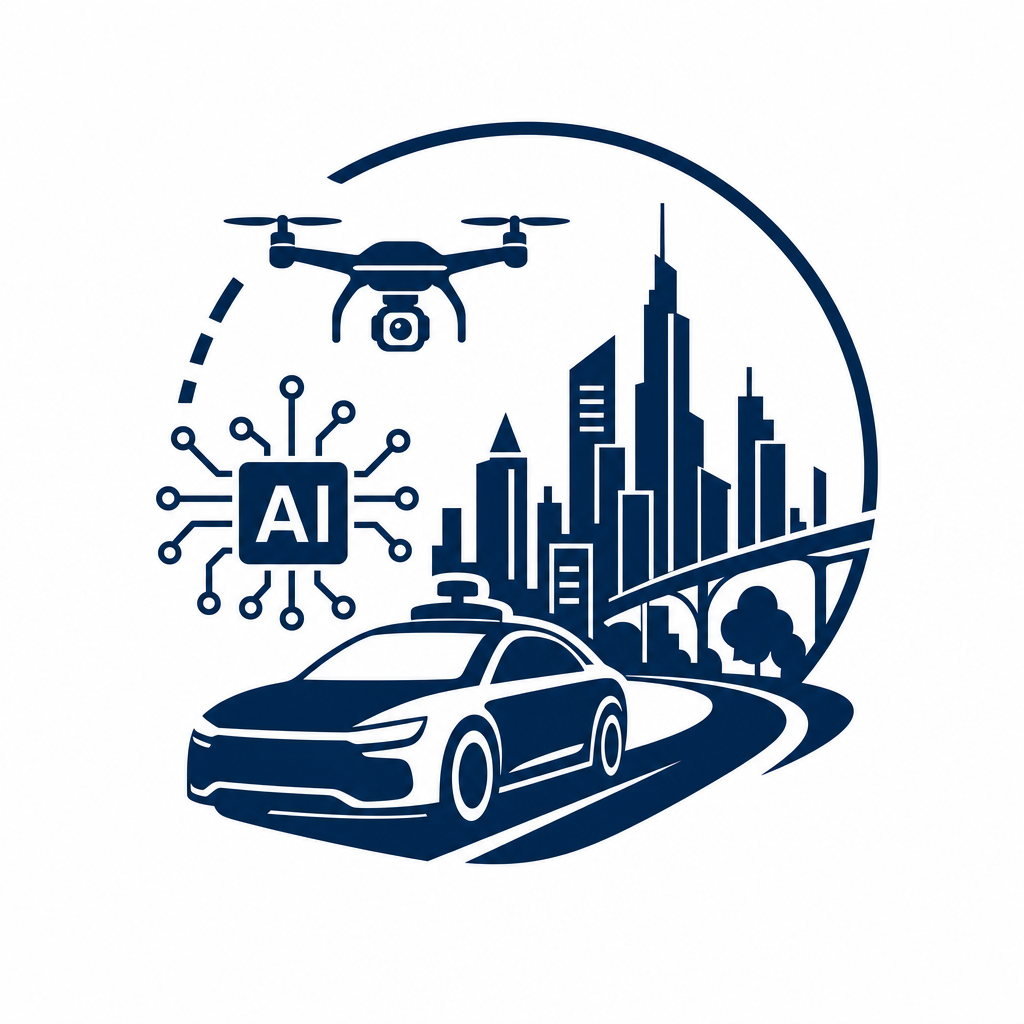
As we stand on the brink of a technological revolution, autonomous vehicles and drones promise to redefine transportation and logistics. This article explores the rapid advancements, the challenges of regulation and safety, ethical considerations, and the societal shifts accompanying these innovations.
The Current Landscape of Autonomous Vehicles and Drones
The rapid development of autonomous vehicles and drone technology has outpaced traditional regulatory frameworks, presenting a unique set of challenges for governments and policymakers. Establishing laws that foster innovation while ensuring public safety requires a careful balance. Currently, regulations vary widely across jurisdictions, complicating the integration of these technologies into daily life. Policymakers face the daunting task of addressing several complex issues: liability in accidents, data privacy, and the operational boundaries of these autonomous systems.
Existing policies often focus on pilot programs and limited use cases, such as designated testing areas for self-driving cars and strict flight paths for drones. Proposed regulations aim to create a more expansive operational scope while integrating safety measures, but inconsistencies remain. The patchwork of state, national, and international laws complicates compliance for companies operating in multiple regions.
International standards play a crucial role in synchronizing efforts across borders, ensuring that advancements in technology do not outstrip the legal frameworks meant to govern them. To effectively promote innovation while safeguarding public interests, a collaborative approach involving industry stakeholders, regulatory bodies, and the public is essential. Such a framework not only enhances safety but also builds the trust necessary for widespread acceptance of autonomous technologies.
Regulatory Challenges in the Autonomous Era
The rapid evolution of autonomous vehicles and drone technology presents a unique set of regulatory challenges as governments strive to create effective frameworks. Balancing innovation with public safety is no small feat; regulators must navigate a landscape marked by technological unpredictability. Existing regulations often lag behind advancements, leaving gaps that can affect safety and accountability.
For instance, in the realm of self-driving cars, most jurisdictions still rely on traditional traffic laws that may not account for the complexities of AI-driven navigation systems. Meanwhile, drone technology faces its own hurdles, with local and federal regulations frequently clashing, leading to a patchwork of compliance requirements. Proposed regulations often emphasize the need for public testing periods, transparency in AI algorithms, and liability frameworks that address the unknowns inherent in these systems.
International standards have begun to emerge, emphasizing collaboration between nations to foster a cohesive approach. Such frameworks seek to establish baseline safety protocols while encouraging innovation, but bureaucratic inertia is a considerable barrier.
As regulators continue to refine policies, the overarching goal remains clear: to promote an environment where autonomous technology can flourish without compromising public trust or safety.
Safety and Incident Analysis
As self-driving cars and drones become integral to modern mobility and logistics, safety remains a paramount concern. Recent incidents highlight the complexities surrounding these technologies: from self-driving car accidents due to misinterpretation of sensor data to drone collisions with manned aircraft. These events reveal multifaceted factors contributing to failures, including software glitches, environmental challenges, and human oversight.
To address these safety issues, companies are implementing rigorous protocols and enhancing their technology. For instance, the development of advanced machine learning algorithms aims to improve situational awareness, allowing autonomous systems to better interpret their surroundings. Additionally, companies are investing in robust testing frameworks, employing simulation environments to replicate real-world scenarios and assess system responses to varying conditions.
Regulators play a critical role in shaping safety standards. New legislation mandates stringent testing and certification processes, emphasizing transparent reporting of incidents to identify patterns and prevent future occurrences. Collaboration between manufacturers and regulatory bodies fosters the creation of comprehensive guidelines, reassuring the public of safety measures in place. As these advancements continue to evolve, fostering trust in autonomous technologies is essential for widespread adoption and acceptance.
Ethical Dilemmas in AI and Automation
The rise of autonomous vehicles and drones has not only transformed the landscape of transportation and logistics but has also introduced profound ethical dilemmas that cannot be overlooked. One of the primary concerns revolves around decision-making in critical situations. Unlike human drivers, self-driving cars rely on complex algorithms to make split-second choices during emergencies. The question arises: what moral framework should these algorithms follow? This dilemma is compounded by biases that may exist in AI systems, potentially leading to unfair or harmful outcomes.
Moreover, the manufacturers of these technologies face significant moral responsibilities. They must ensure that their products are not only safe but also aligned with ethical principles that prioritize human well-being. The lack of transparency in AI decision-making processes can undermine public trust, which is vital for the widespread acceptance of these innovations.
Guiding the development and deployment of autonomous technologies calls for frameworks for Ethical AI, emphasizing accountability, fairness, and transparency. Such frameworks can help mitigate potential biases and establish standards for ethical behavior in the rapidly evolving landscape of AI automation, fostering a balance between innovation and societal well-being. In this context, addressing these ethical questions is crucial for ensuring that public safety remains at the forefront of technological advancements in mobility.
Impact on Urban Surveillance and Society
The integration of autonomous vehicles and drones into urban environments presents profound societal impacts, particularly concerning surveillance and privacy. As cities evolve into smart ecosystems, the utilization of drones for real-time monitoring and self-driving cars for logistics raises critical questions about individual rights and urban planning. The capacity of drones to gather vast amounts of data can enhance public services, such as traffic management and emergency response. However, this surveillance capability necessitates stringent measures to protect citizen privacy, fostering a trust relationship between technology and the community.
Urban planners must navigate the complex intersection of innovation and individual rights, ensuring that surveillance technologies serve the common good without infringing on private lives. The potential for misuse, whether through unauthorized data access or biased algorithmic decisions, highlights the need for robust regulatory frameworks. Cities are increasingly experimenting with policies that prioritize transparency and accountability in AI systems, aiming to build public trust.
Conversely, these technologies can also bolster safety. Enhanced situational awareness, provided by drones and self-driving vehicles, can lead to more efficient emergency responses and reduced accident rates. As society grapples with these advancements, it becomes crucial to strike a balance between leveraging technology for improved urban life and safeguarding fundamental human rights. This dialogue will shape the future of urban living and mobility, ensuring that advancements enhance rather than compromise societal values.
Toward a Sustainable Future of Mobility
As we look toward a sustainable future of mobility, the convergence of autonomous vehicles and drones promises to reshape both urban landscapes and our everyday experiences. **Automation in logistics** is a key trend, offering solutions to reduce emissions and streamline delivery processes. Companies are now exploring electric self-driving trucks and drones that can facilitate last-mile delivery, significantly lowering the carbon footprint while enhancing efficiency.
The role of **urban transportation** systems will also evolve, with autonomous vehicles capable of optimizing traffic flow and reducing congestion through intelligent routing. However, this shift comes with challenges: the workforce will experience significant changes as jobs in transportation undergo transformation. It’s essential to address potential job displacement through reskilling initiatives, ensuring that the economy adapts alongside technological advancements.
Moreover, the dialogue between innovators and the public is crucial. Engaging with communities will help build trust and understanding, shaping a future that prioritizes **public safety** and **ethical AI** use. Stakeholders must collaborate to create regulations that balance innovation with the needs of society, paving the way for a mobility landscape that aligns with environmental sustainability and citizen welfare.
Conclusions
In conclusion, the evolution of autonomous vehicles and drones embodies a delicate interplay between groundbreaking innovation and the pressing need for robust frameworks. Balancing technological progress with public safety and ethical standards is paramount for achieving societal trust and a sustainable future in mobility.