The Silent Battle: Securing Our Future in a Hyper-Connected World
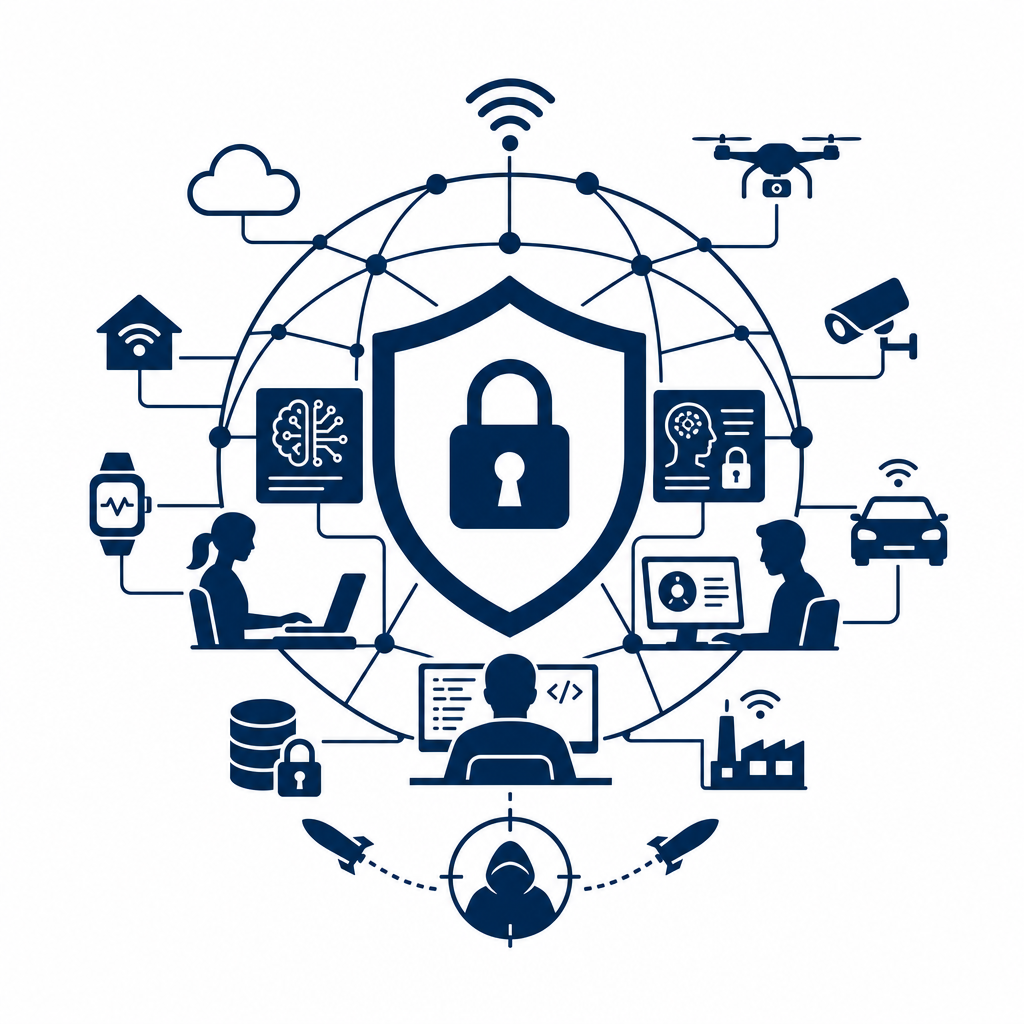
In our rapidly digitalizing world, the prevalence of connected devices fosters unprecedented convenience but also exposes glaring vulnerabilities. This article delves into the intricate landscape of cybersecurity, exploring how IoT, AI, and emerging threats challenge our ethical frameworks and societal norms, ultimately shaping our future in this hyper-connected environment.
Understanding Cybersecurity in a Digital Era
The Internet of Things (IoT) has surged in prominence, embedding itself into the fabric of daily life through smart homes, wearables, and connected appliances. The convenience provided by these innovations is undeniable—smart thermostats optimize energy consumption, wearable fitness trackers monitor health metrics, and connected security cameras enhance home security. Yet, this remarkable interconnectedness brings with it a trove of vulnerabilities that can be exploited by cybercriminals.
Each IoT device serves as a potential entry point for unauthorized access and data theft. For instance, weak default passwords or outdated software can leave these devices exposed to attacks, allowing hackers to infiltrate home networks easily. Once compromised, a single device can serve as a gateway to more sensitive personal data or even corporate networks. Moreover, lax security measures in IoT devices can engender systemic risks, where widespread breaches can disrupt essential services, such as healthcare or energy management systems.
As society leans further into a hyper-connected existence, understanding the dual-edged nature of IoT technology becomes imperative. Awareness of these security challenges is crucial to fortifying the safety and integrity of our modern digital landscape.
The Role of IoT in Everyday Life and Associated Risks
The Internet of Things (IoT) has seamlessly woven itself into the fabric of our daily lives, offering unparalleled convenience through smart homes and interconnected devices. From smart thermostats that learn our schedules to refrigerators that track expiration dates, IoT enhances our quality of life by optimizing energy use and improving task efficiency. However, this integration also introduces critical vulnerabilities that, if unaddressed, can lead to severe consequences.
As the number of connected devices rises, so too does the risk of unauthorized access and data theft. Many IoT devices are launched without robust security measures, allowing hackers to exploit weaknesses. For instance, easily guessable passwords and unpatched firmware can create gateways for cybercriminals to infiltrate home networks, gaining access to sensitive personal information. This can result in larger systemic risks, including data breaches that escalate to national security threats, particularly as smart devices increasingly control public infrastructure.
To protect against these vulnerabilities, a proactive approach to IoT security is essential. Manufacturers must prioritize security in device design, while consumers should remain vigilant about firmware updates and default settings, ultimately cultivating a culture of responsible device usage. The convenience of connected devices must not overshadow the imperative of securing these technologies to safeguard our future.
AI Security Challenges and Ethical Considerations
As artificial intelligence (AI) continues to shape the cybersecurity landscape, it brings both formidable advantages and critical ethical challenges. AI technologies have the potential to revolutionize how organizations approach security. By automating threat detection and response, AI can analyze vast amounts of data in real-time to identify anomalies and respond to attacks more swiftly than human analysts ever could. This capability significantly enhances security infrastructure, particularly in environments rife with interconnected devices.
However, the rise of AI in cybersecurity is not without its pitfalls. Ethical concerns loom large, particularly around surveillance practices. The deployment of AI can lead to intrusive monitoring, eroding fundamental privacy rights. Additionally, biases inherent in algorithmic decision-making can result in unfair outcomes, such as profiling and targeted attacks that disproportionately affect certain demographics.
Moreover, the potential misuse of AI technologies presents a new frontier in cyber warfare. State and non-state actors might weaponize AI to launch sophisticated, automated attacks, complicating the traditional frameworks of defense. In navigating these complex challenges, it becomes imperative to develop robust ethical guidelines for AI deployment in cybersecurity, ensuring that innovation does not come at the cost of individual rights and societal well-being.
Privacy in an Interconnected World
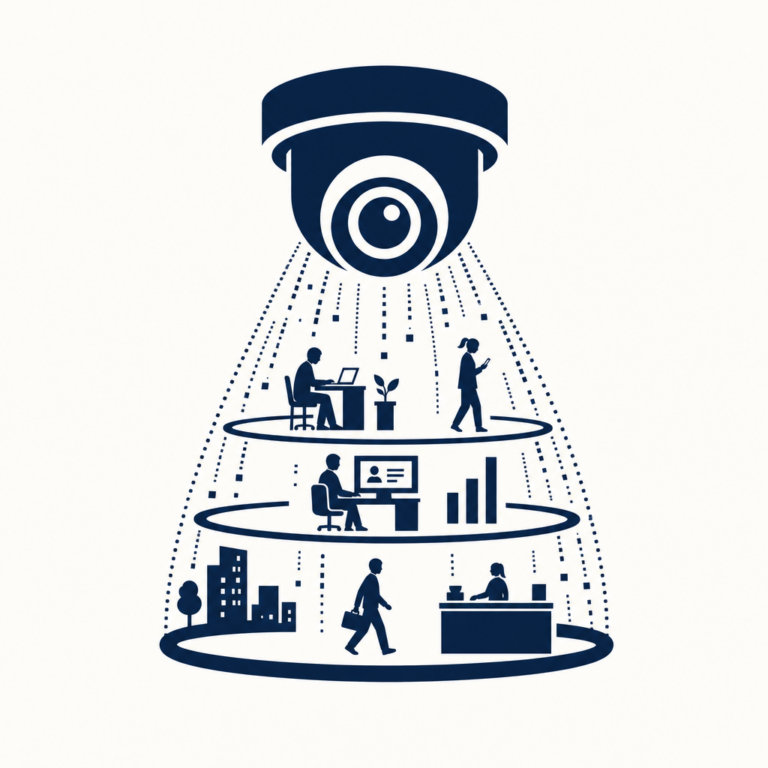
As we navigate a hyper-connected world, the issue of privacy has emerged as a paramount concern. The explosion of connected devices generates vast sums of personal data, often collected by corporations that leverage this information for targeted advertising and market strategies. However, this mass data collection poses significant risks to individual privacy and can erode public trust. Every click, swipe, and interaction can be tracked, leading to a digital footprint that becomes a target for cybercriminals and authoritarian surveillance.
In response, regulations like the General Data Protection Regulation (GDPR) have been implemented to set standards for data protection, compelling companies to adopt transparent practices and secure consent for data utilization. Yet, enforcing these regulations on a global scale remains daunting, as differing laws and compliance challenges complicate uniform implementation. Moreover, digital ethics must guide the actions of companies, ensuring that data collection does not infringe on personal liberties.
To establish a reputable digital landscape, strong privacy frameworks are essential. These frameworks should not only protect individual rights but also instill confidence in the systems we increasingly rely on. Balancing innovation with privacy and ethics is crucial for fostering a future that respects individual autonomy while enabling technological advancements.
Navigating the Future of Work in a Digital Landscape
As our work environments evolve in a landscape dominated by technological advancements, the challenges of cybersecurity and employee privacy become ever more pronounced. The rise of remote work and the proliferation of digital collaboration tools have transformed how we engage with colleagues and manage sensitive information. As organizations adapt, they face a dual obligation to safeguard data and foster a culture of trust among distributed teams.
The trend towards remote and hybrid work models necessitates robust **IoT Security** protocols, given the vulnerability of connected devices such as personal laptops and smart assistants that employees use. Companies must implement comprehensive training and policies that emphasize the importance of **data protection** and the ethical use of technology. This includes the establishment of secure networks, the use of encrypted communications, and regular audits of digital tools.
Moreover, as employees operate under varying degrees of surveillance through performance monitoring software, organizations must navigate the delicate balance between productivity and **employee privacy**. Building a culture of accountability entails transparent communication regarding monitoring practices and encouraging feedback. By prioritizing the security of information and the well-being of employees, companies can cultivate a resilient workforce prepared to thrive in our hyper-connected future.
The Impacts of Cyber Warfare on Society
As we navigate a hyper-connected world, the specter of cyber warfare looms larger, profoundly impacting national security and global relations. Recent high-profile cyberattacks, such as those targeting critical infrastructure in the U.S. and Europe, showcase the devastating potential of malicious actors. These incidents not only disrupt essential services like power grids and water supply systems but also instigate widespread panic among civilian populations, severely straining public trust in digital systems.
The consequences of such assaults extend beyond immediate disruptions. Economic repercussions are significant, as businesses face hefty financial losses from system downtimes and costly recovery processes. A climate of uncertainty surrounding digital security stifles innovation and investment, especially in industries reliant on IoT and connected devices. Moreover, the ethical ramifications of data protection come to the forefront; personal data vulnerabilities expose citizens to further risks in a landscape where privacy can no longer be assured.
Addressing these challenges necessitates international collaboration to establish robust legal frameworks and norms that govern cyber conduct. By fostering partnerships, nations can create a unified front against cyber threats, ensuring that the digital future is secure, ethical, and resilient, ultimately safeguarding the freedom and safety of all.
Conclusions
Securing our future in a hyper-connected world requires a multifaceted approach to cybersecurity, data protection, and ethical AI development. As we confront unique challenges posed by digital integration, prioritizing resilience and proactive strategies will be pivotal in safeguarding individuals and society from potential threats, ensuring that technology uplifts rather than undermines our collective future.