Navigating the Ethical Minefield: AI, Privacy, and Regulation in a Connected World
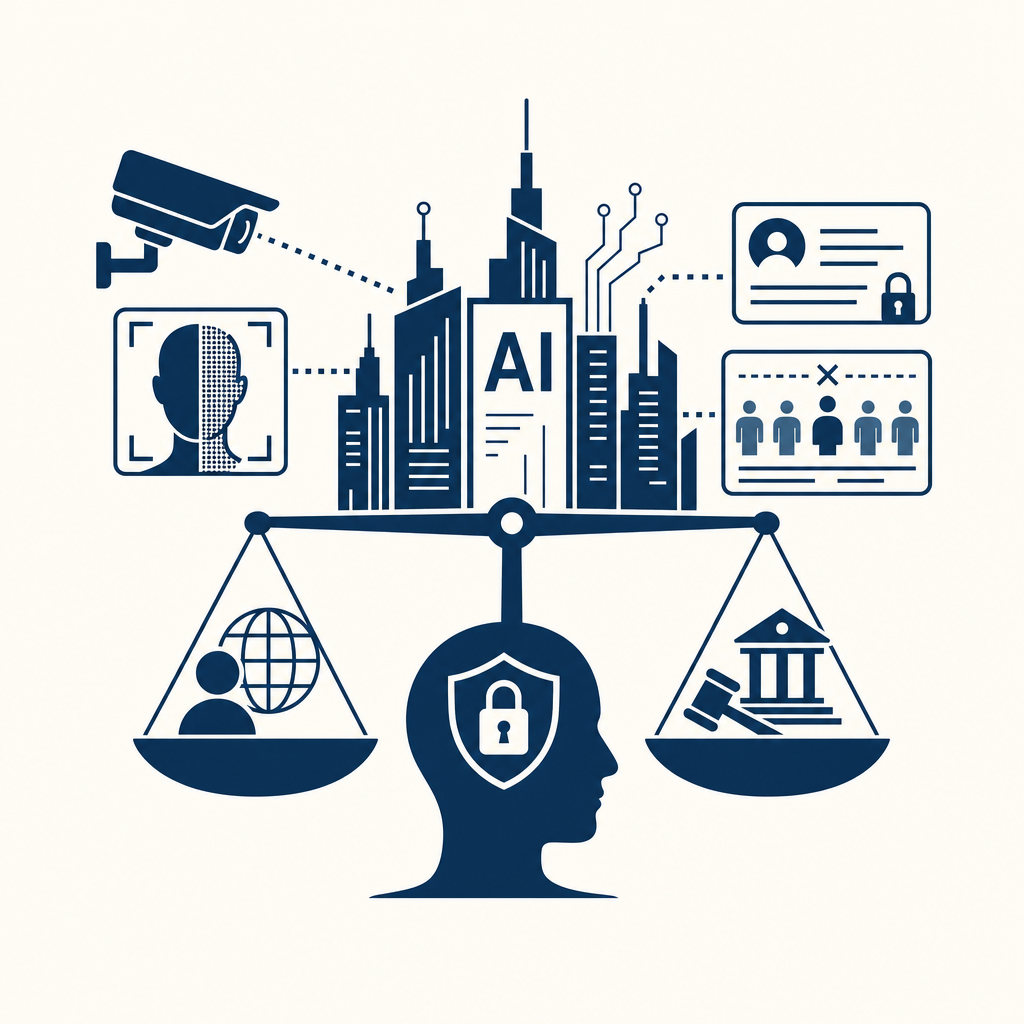
The rise of artificial intelligence (AI) has transformed many aspects of our daily lives, but it has also introduced complex ethical challenges related to privacy, data security, and societal impact. This article will explore these ethical dilemmas, the need for regulation, and the importance of responsible AI governance in ensuring a secure and equitable digital future.
Understanding AI Ethics
The increasing reliance on AI technologies brings forth significant challenges related to data privacy. AI systems thrive on vast amounts of personal data, gleaned from various sources, to enhance their functionality and decision-making processes. As these systems interact with individuals, they collect, process, and store sensitive information, often without explicit consent or transparency. This lack of oversight raises alarm regarding individual privacy and autonomy.
Recent high-profile data breaches, such as incidents involving major tech firms, reveal the vulnerabilities of AI-driven platforms. Compromised personal data not only puts individuals at risk but also damages the trust organizations need to maintain with their users. Violations of privacy can lead to identity theft, financial loss, and a chilling effect on user engagement, stifling innovation alongside legitimate concerns.
Legal frameworks, like the General Data Protection Regulation (GDPR) in Europe and the California Consumer Privacy Act (CCPA) in the U.S., aim to protect personal information in this evolving landscape. However, challenges persist in enforcing these laws, particularly in a world where compliance often lags behind rapid technological advancements. As these issues unfold, the need for robust data protection measures in AI governance becomes increasingly urgent.
The Data Privacy Challenge
As AI technologies continue to infiltrate various facets of life, the complexities surrounding data privacy have escalated drastically. AI systems, often lauded for their capabilities, inherently rely on vast amounts of personal data, raising significant privacy concerns. They collect information through methods such as machine learning algorithms, which analyze user behavior, preferences, and even sentiments. This extensive data collection can lead to vulnerability, evidenced by high-profile data breaches that compromise sensitive user information. For instance, breaches involving well-known tech companies have resulted in unauthorized access to millions of records, demonstrating a disconcerting potential for harm both to individuals and organizations.
Legal frameworks, such as the General Data Protection Regulation (GDPR) and the California Consumer Privacy Act (CCPA), attempt to address these challenges by providing guidelines on data processing and rights for individuals. However, enforcement remains inconsistent, with many companies struggling to comply fully. Furthermore, these regulations often lag behind rapid technological advancements, creating gaps that malicious entities can exploit. The urgent necessity for robust data privacy measures in an AI-driven environment underscores the growing demand for responsible AI practices, ensuring that innovations do not come at the expense of individual rights and privacy.
Regulating AI in a Global Landscape
The current landscape of AI regulation is fragmented, with varying degrees of development across different regions. In Europe, the General Data Protection Regulation (GDPR) has set a high standard for data protection, influencing emerging frameworks like the proposed AI Act. This initiative aims to establish comprehensive guidelines for high-risk AI applications, emphasizing transparency and human oversight. Conversely, the United States has yet to adopt a cohesive regulatory framework. Instead, it relies on sector-specific guidelines, which often leads to inconsistencies in enforcement and raises concerns about the adequacy of protections against algorithmic bias and privacy breaches.
In Asia, countries like China have deployed stringent regulations tied closely to their goals of national security and social stability, which presents a stark contrast to the more user-centric approaches seen in the West. As the pace of AI innovation accelerates, policymakers are grappling with the challenge of creating regulations that are both adaptable and effective in addressing the fast-evolving technology.
To achieve meaningful governance, international collaboration is essential. Without a unified approach, disparities in regulation may lead to regulatory arbitrage, undermining public trust in AI systems. A global dialogue is needed to establish common standards that safeguard digital rights while promoting responsible AI development.
Deepfakes and the Deterioration of Trust
Deepfakes represent one of the most significant threats posed by advanced AI technologies, creating a precarious landscape where trust in media and societal structures is increasingly compromised. The rise of synthetic media has opened the door for widespread misuse, including misinformation campaigns that can sway public opinion, disrupt democratic processes, and exacerbate divisions within society. By using deepfakes, malicious actors can fabricate realistic videos and audio recordings, leading to identity theft and reputational damage for individuals, often without any recourse.
These threats to trust extend beyond individual privacy; they can undermine confidence in legitimate media sources and the broader information ecosystem. The erosion of trust is particularly troubling in an age where discerning fact from fiction is already a daunting challenge for the average citizen. Ongoing efforts to combat deepfakes include developing advanced detection tools and establishing legislative frameworks that specifically address the creation and distribution of synthetic media. International collaborations are essential for crafting effective regulations that not only penalize misuse but also promote media literacy among the public, fostering critical engagement with digital content. The race to counter deepfake technology is ongoing, and its implications for responsible AI governance are profound, signaling a need for vigilance in the face of evolving digital threats.
Algorithmic Bias and Social Impact
Algorithmic bias is a critical concern in the AI landscape, with far-reaching social implications. Biased algorithms can inadvertently perpetuate discrimination and inequality across various domains, including employment, law enforcement, and healthcare. For instance, predictive policing algorithms have been criticized for disproportionately targeting certain demographics, often based on historical data that reflects systemic inequalities. In one notable case, a study revealed that an algorithm used to assess recidivism rates was found to be biased against African American individuals, incorrectly flagging them as higher risks compared to their white counterparts.
The effects of biased algorithms extend into the hiring process as well, where AI systems designed to screen job applications may inadvertently favor candidates from specific backgrounds due to training data that lacks diversity. This can lead to a cycle of discrimination that continues to disadvantage marginalized groups.
The importance of ensuring fairness and inclusivity in AI systems cannot be overstated. Rigorous testing and oversight are essential in identifying and mitigating potential biases. Implementing algorithms should involve diverse stakeholder engagement, ensuring multiple perspectives shape the technology’s development. Through proactive measures, we can strive to build AI systems that embody equity and serve the interests of all societal groups.
Towards Responsible AI Governance
The future of AI largely depends on how we approach governance and ethical standards. As AI technologies rapidly evolve, the need for responsible AI governance becomes increasingly paramount. Policymakers, industry leaders, and civil society must collaborate to establish ethical frameworks that prioritize data privacy, surveillance concerns, and digital rights. Multi-stakeholder engagement is crucial in crafting comprehensive policies that reflect societal values and human rights.
Policymakers must take an active role in setting regulations that balance innovation with security and privacy. This includes addressing the challenges of **deepfake technology**, which can undermine trust in digital media and manipulate public perception. Industry leaders have a responsibility to adopt transparent practices, facilitating trust by conducting regular audits and adhering to ethical guidelines.
Moreover, civil society must advocate for accountability, ensuring that diverse voices are included in the dialogue surrounding AI development. By promoting awareness of issues like **algorithmic bias** and content moderation, they can drive public engagement and influence policy changes. Proactive measures, encompassing ongoing education and the integration of ethical considerations early in AI design, will shape a more equitable landscape, ensuring that AI serves humanity rather than undermines it.
Conclusions
In summary, the intersection of AI, privacy, and regulation demands urgent attention and thoughtful action from both industry leaders and policymakers. As we navigate these ethical complexities, a proactive approach to governance and ethical frameworks is essential to safeguard our digital rights and ensure the responsible development of AI technologies.