The Rise of Autonomous AI Agents in Business
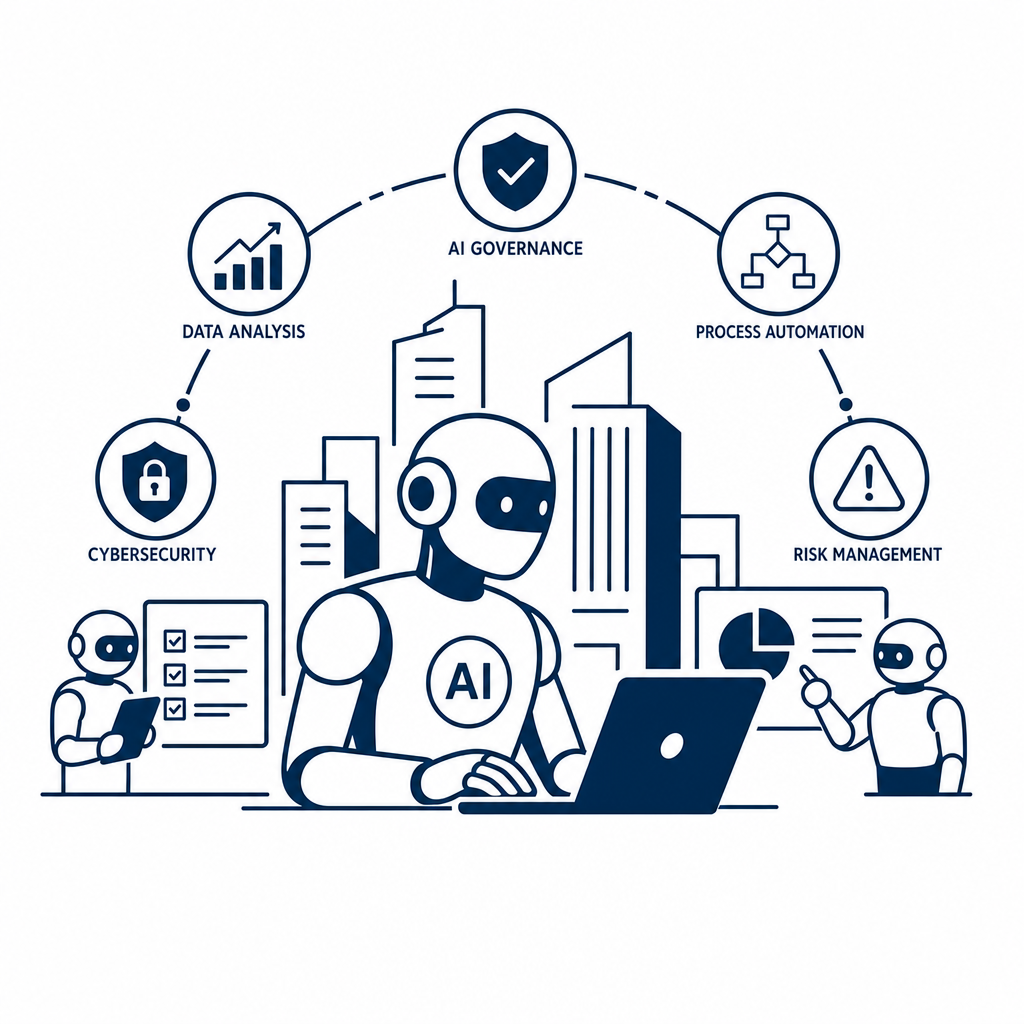
The emergence of autonomous AI agents marks a pivotal shift in business operations. These intelligent systems promise enhanced efficiency and innovation, yet they also introduce a myriad of risks. This article delves into the complexities of integrating AI agents into organizations, emphasizing the need for effective governance, risk management, and ethical considerations to harness their full potential responsibly.
Understanding Autonomous AI Agents
As businesses increasingly embrace the transformative potential of autonomous AI agents, the focus shifts to how these technologies facilitate effective business automation. AI agents are particularly adept at handling repetitive and high-volume tasks, dramatically improving operational efficiency. For example, in customer service, chatbots powered by natural language processing can respond to inquiries 24/7, providing instant support and enhancing customer satisfaction. This allows human representatives to concentrate on more complex queries.
In the realm of data entry, AI agents can automate the extraction and processing of information, minimizing human error and accelerating workflows. For instance, companies like UiPath have successfully implemented robotic process automation (RPA) to streamline mundane tasks, which leads to a significant reduction in operational costs while increasing accuracy and speed.
Supply chain management is another area benefiting immensely from AI automation. By leveraging predictive analytics, AI agents can optimize inventory levels, forecast demand, and manage logistics, resulting in improved resource allocation and a more responsive supply chain. Organizations such as Amazon and DHL have integrated autonomous AI agents to enhance their delivery systems, showcasing how these technologies can transform traditional business operations into agile, efficient processes.
The Role of AI in Business Automation
As businesses increasingly adopt autonomous AI agents, the focus on automation reveals transformative opportunities across various operations. These intelligent systems excel at executing repetitive tasks, thus liberating human resources for more strategic initiatives. In customer service, for instance, AI agents can handle inquiries through chatbots, providing immediate responses and 24/7 availability. This not only enhances customer satisfaction but also reduces operational costs by limiting the need for extensive human intervention.
Data entry and management are yet another domain where AI agents shine. By automating the extraction and input of data, organizations can minimize errors and accelerate processing times. For example, financial institutions are leveraging AI to streamline transactions and enhance compliance with regulatory requirements, ensuring both speed and accuracy.
Supply chain management benefits significantly from AI automation as well. AI agents can forecast demand, manage inventory levels, and optimize delivery routes in real-time, leading to increased operational efficiency. Companies like Amazon have implemented AI systems that dynamically adjust to logistical challenges, maintaining seamless operations while minimizing costs. These applications illustrate the vast potential of AI agents as catalysts for enhancing productivity and service quality in the modern enterprise landscape.
Innovative Potential and Efficiency Gains
As AI agents evolve, their innovative potential extends far beyond mere automation. These systems are revolutionizing creative processes, fostering data-driven decision-making, and driving comprehensive business transformation. By leveraging advanced algorithms, AI agents can analyze vast datasets, identifying patterns and insights that humans might overlook. This capability not only enhances operational efficiency but also empowers businesses to innovate by developing new product lines or refining existing services.
For instance, companies like Netflix utilize AI algorithms to analyze viewer preferences and habits, enabling the platform to recommend personalized content effectively, which in turn enhances user engagement and satisfaction. Similarly, Procter & Gamble has adopted AI-driven insight generation tools, allowing them to anticipate market trends and consumer demands, leading to better-targeted marketing campaigns and product innovations.
Moreover, organizations like IBM are harnessing AI to facilitate collaborative environments where human creativity and machine intelligence merge, fostering innovative solutions that redefine traditional business models. By investing in these advanced systems, companies can achieve significant efficiency gains, reduce operational costs, and ultimately secure a competitive advantage in the fast-paced market landscape. The transformative power of AI engenders not only enhanced productivity but also paves the way for a culture of continuous innovation.
Navigating Security Risks and Cybersecurity Threats
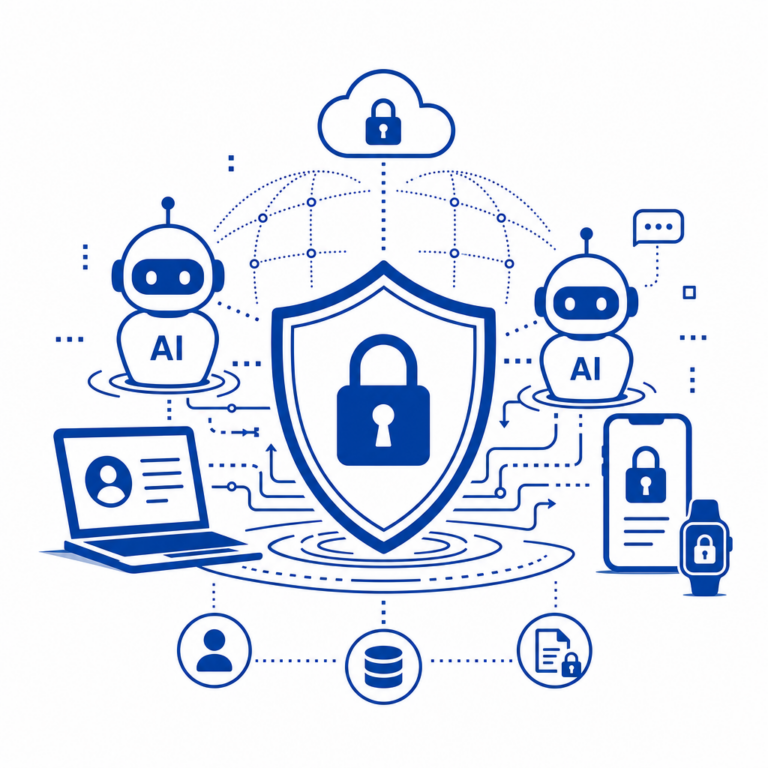
As businesses integrate autonomous AI agents into their operations, the advantages of efficiency and innovation are accompanied by pressing security risks. These intelligent systems can inadvertently become vectors for cyber threats if not properly managed. With AI’s capacity to process vast amounts of data, the risk of data breaches and privacy violations intensifies. Unsecured AI systems may expose sensitive business information, leading to financial loss or reputational damage.
To mitigate these risks, organizations must prioritize robust cybersecurity measures. Implementing multi-layered security protocols is essential—these can include firewalls, intrusion detection systems, and continuous monitoring of AI activities. Regular security assessments should be employed to identify vulnerabilities in AI algorithms and systems. Furthermore, organizations should adopt strict access controls, ensuring that only authorized personnel can interact with AI agents and the data they handle.
Training employees in cybersecurity best practices, focusing on recognizing social engineering tactics, is critical. Additionally, businesses should establish incident response plans that specifically address potential AI-related breaches. By securing AI systems proactively, organizations can confidently harness the transformative power of AI agents, minimizing risks while maximizing operational efficiency.
Governance and Ethical Frameworks in AI Implementation
As organizations increasingly deploy AI agents to drive efficiency and automate processes, the establishment of robust governance frameworks becomes imperative. These frameworks must address key ethical considerations including accountability, transparency, and fairness in AI decision-making. Without comprehensive governance, businesses risk fostering mistrust and potentially harmful biases in AI algorithms.
To achieve effective AI governance, organizations should start by defining clear roles and responsibilities for stakeholders in AI implementation. Implementing guidelines for data use, along with regular audits of AI systems, can ensure decisions made by these autonomous agents remain fair and transparent. Businesses must strive for inclusiveness in developing AI, engaging diverse teams that can identify biases and strengthen accountability.
Moreover, ongoing training in ethical AI practices for employees is essential. Establishing a governance board with mixed expertise—legal, technical, and social—can help navigate the moral complexities of AI deployment. Encouraging open dialogue around AI ethics within the organization not only promotes a culture of responsibility but also aligns AI applications with legal standards. By maintaining rigorous governance, businesses can harness the power of AI agents while mitigating risks associated with ethical missteps.
Striking a Balance Between Innovation and Risk
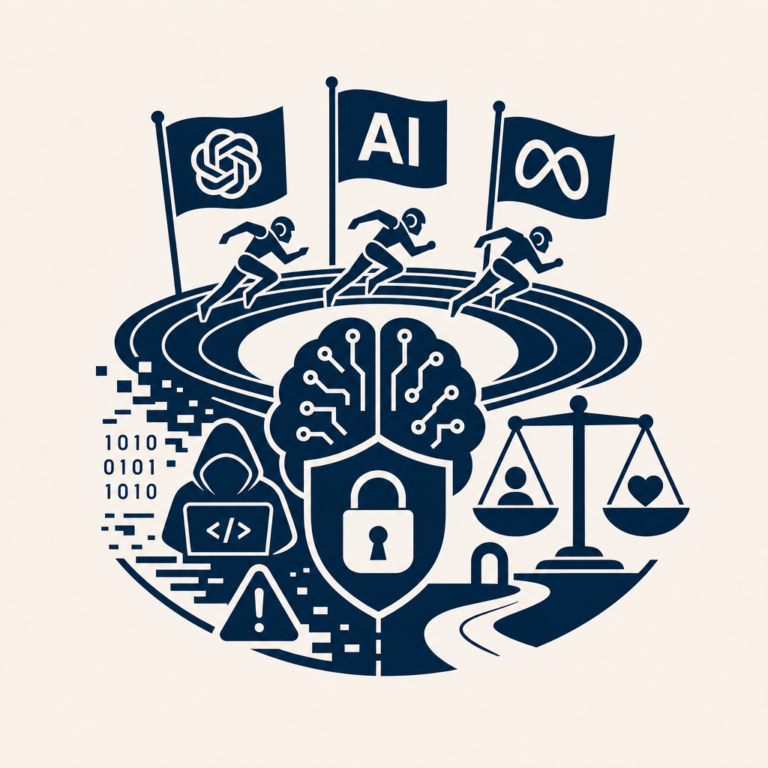
As businesses integrate autonomous AI agents to boost operational efficiency, they inevitably confront the challenge of balancing innovation with risk management. The rapid evolution of AI technologies presents a dual-edged sword, offering significant advantages in business automation and decision-making while simultaneously heightening vulnerabilities in cybersecurity and operational fidelity. Companies must therefore establish robust risk management protocols that encompass both technological and human factors, ensuring that AI-driven solutions are not only innovative but also secure.
To foster an environment conducive to AI-driven innovation, organizations should implement comprehensive AI governance systems that include real-time monitoring and accountability mechanisms. This oversight not only facilitates transparency but also addresses ethical concerns related to AI deployment, such as bias and fairness. Creating these structures involves cross-functional collaboration among IT, legal, and operational teams to ensure alignment with established ethical standards.
Looking ahead, future trends in AI governance will likely emphasize adaptive frameworks capable of evolving alongside technological advancements. This dynamic approach will enable enterprises to embrace the full potential of autonomous AI agents while maintaining the necessary controls to mitigate risks associated with this transformative technology. As a result, businesses can thrive in an increasingly complex landscape while safeguarding their integrity and reputation.
Conclusions
In conclusion, while autonomous AI agents offer profound opportunities for enhancing operational efficiency and innovation, the associated risks cannot be overlooked. Businesses must prioritize robust governance and ethical frameworks to mitigate potential pitfalls. Striking a balance between innovation and risk management will be key in leveraging AI agents successfully in the enterprise landscape.