
The Architecture of Trust Building Secure and Contained AI Systems
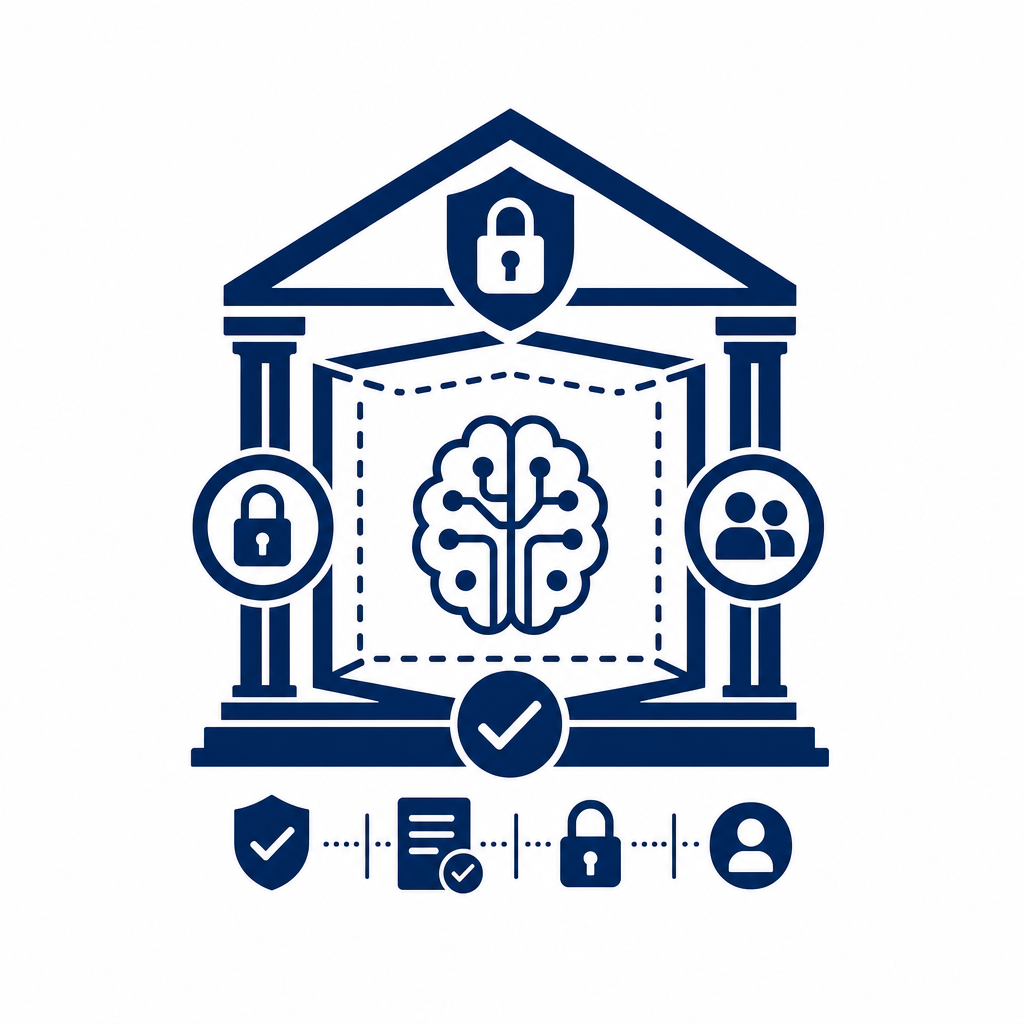
The rapid advancement of AI technologies has necessitated a deeper exploration into their ethical, secure, and responsible deployment. This article examines crucial components such as infrastructure, containment strategies, privacy-by-design principles, and governance models, all aimed at fostering trustworthy AI systems while safeguarding users and vital infrastructures from risks associated with malicious use and unintended outcomes.
Understanding AI Containment
Understanding AI containment is essential for responsibly managing powerful AI systems. As these systems evolve, the risk of unintended behaviors increases, necessitating effective methods for isolating and controlling AI actions. Containment strategies function as vital safeguards, preventing potentially harmful outcomes while promoting beneficial AI development.
A prominent method for achieving containment is **sandboxing**, which allows AI models to operate in controlled environments. This isolation ensures that any anomalies during testing do not impact broader infrastructure or user data. **Environmental constraints**, such as setting limits on an AI’s operational capabilities, further enhance containment by restricting its ability to engage with elements outside the allowed parameters.
Oversight mechanisms play a crucial role in containment strategies, ensuring that human oversight is integrated into AI operations. For instance, sectors like healthcare utilize containment strategies to monitor AI behaviors that might affect patient safety. By employing rigorous containment protocols, organizations can mitigate risks associated with AI deployment while encouraging innovation.
Containerization not only preserves user trust but also aligns with the principles of Privacy by Design and responsible AI governance. The importance of containment cannot be understated; it is a foundational aspect of delivering trustworthy AI systems that adhere to ethical and security standards.
AI Security Measures
As AI systems evolve and proliferate, implementing robust security measures becomes paramount to protect against both physical and cyber threats. Essential security mechanisms—authentication, encryption, and access control—are critical in safeguarding AI functionalities and user trust.
**Authentication** ensures that only authorized personnel can access AI systems. Techniques such as multi-factor authentication (MFA) create additional layers of verification, reducing the risk of unauthorized access. This is particularly vital in sensitive sectors like healthcare, where unauthorized manipulation of AI algorithms could lead to catastrophic outcomes.
**Encryption** serves as a fortress for data—both at rest and in transit. By securing sensitive information, encryption mitigates data breaches, which have significant implications for privacy and compliance. For instance, the infamous 2020 Twitter hack showcased how exploited vulnerabilities could lead to unauthorized access to user data, emphasizing the need for encrypted communications between AI systems and their users.
**Access control mechanisms** regulate permissions, ensuring users only have access to necessary data and functions. Role-based access control (RBAC) enables organizations to enforce strict user permissions, which is crucial when integrating AI in environments like finance, where transactional integrity is essential.
These security measures not only enhance the overall efficacy of AI systems but also foster user trust. The cascading impact of security breaches—ramifications ranging from financial loss to reputational damage—highlights the urgency of establishing a fortified security framework that resonates with both users and stakeholders.
The Role of Governance in AI Development
As AI technologies advance, the establishment of robust governance structures is crucial for overseeing their development and deployment. Governance plays a pivotal role in delineating the frameworks that regulate AI’s ethical usage. Regulatory requirements need to be tailored to consider the unique challenges posed by AI, ensuring that systems adhere to standards that prioritize safety, accountability, and fairness. Countries like the European Union have initiated comprehensive regulations, such as the AI Act, which aims to classify AI applications based on risk levels, imposing stricter oversight on high-risk systems.
Furthermore, ethical guidelines must inform AI development, advocating for principles such as transparency, inclusivity, and responsibility. Organizations like the Partnership on AI promote ethical frameworks that emphasize stakeholder involvement in AI decision-making, enhancing public trust. Transparency mechanisms are paramount, as they empower users to understand AI operations and decision-making processes, fostering accountability in AI applications.
Effective governance not only mitigates risks associated with AI misuse but also ensures that privacy and ethical standards are upheld. When organizations implement stringent governance structures, they establish a foundation of trustworthiness, ultimately bolstering user confidence in the reliability and safety of AI systems in our increasingly complex technological landscape.
Implementing Privacy by Design
The principles of *Privacy by Design* are essential in AI development, emphasizing the need for proactive measures to integrate privacy throughout the lifecycle of technology. By embedding privacy into the foundational stages of AI systems, organizations create structures that inherently safeguard user information, thereby fostering trust and compliance with regulatory frameworks like GDPR.
Key techniques embodying Privacy by Design include *data minimization*, which limits data collection to what is strictly necessary for the intended purpose. This not only reduces the risk of data breaches but also aligns with legal requirements. Additionally, implementing robust *user consent mechanisms* ensures transparency, allowing users to make informed decisions regarding their data. Features such as clear consent prompts and easy withdrawal options empower users and reinforce their control.
Transparency tools, such as privacy notices and data processing logs, provide users with insight into how their information is being utilized. This openness strengthens trust while simultaneously enhancing operational efficiency. When privacy is embedded from the outset, organizations can better balance user protection with compliance and operational needs, ultimately leading to more trustworthy AI systems that respect individual rights without compromising functionality.
Building Trustworthy AI Infrastructure
Building a trustworthy AI infrastructure is foundational to ensuring the responsible operation of AI systems. A robust architecture incorporates secure cloud services, optimized data storage solutions, and resilient processing environments tailored for AI operations. These technological components work synergistically to protect against vulnerabilities while enabling efficient data handling and model training.
Central to this infrastructure is the concept of resilience, where systems are designed to withstand outages and cyber threats without significant disruption. Implementing redundancy—such as backup systems and alternative power sources—minimizes the risk of total failure, thereby preserving user trust. When users encounter unexpected downtime or security breaches, their confidence erodes, emphasizing the necessity of maintaining operational integrity.
Moreover, advanced security measures, including secure access protocols and continuous monitoring, play a critical role in protecting data integrity and confidentiality. These technological safeguards not only thwart malicious exploitation but also ensure compliance with privacy standards established in previous discussions.
Ultimately, the architecture supporting AI must be both agile and fortified to adapt to evolving threats while delivering consistent performance. A well-structured AI infrastructure specifically designed to enhance security, resilience, and trust forms the bedrock for future innovations in responsible AI development.
Future Perspectives on Responsible AI Frameworks
As we look forward to the evolution of responsible AI frameworks, it’s evident that the landscape will be shaped significantly by both technological advancements and societal expectations. Trends in AI regulation are emerging, with governments and regulatory bodies worldwide moving toward comprehensive policies that govern AI usage and accountability. This shift is influenced heavily by public discourse around ethical AI, with advocates emphasizing the necessity for transparency and fairness in AI decision-making processes.
Furthermore, international collaboration is becoming increasingly important in establishing standards that ensure AI technologies foster safe, reliable, and ethical applications. Organizations such as the IEEE and the OECD are leading initiatives that promote shared guidelines and best practices, encouraging countries to work together to address the multifaceted challenges posed by AI.
Collective efforts in developing a common framework can help mitigate risks through harmonized regulations that span borders, thus elevating the importance of cybersecurity as an integral part of AI governance. Emphasizing concepts like privacy by design, stakeholders are urged to embed ethical considerations into AI systems from the ground up. This collaborative paradigm sets the stage for a future where artificial intelligence operates not just as a tool, but as a partner in societal advancement.
Conclusions
In conclusion, building secure and trustworthy AI systems requires a comprehensive approach that includes robust infrastructure, effective governance, containment strategies, and privacy considerations. By prioritizing these elements, we can develop AI technologies that serve society positively without compromising security or ethical integrity. The journey to responsible AI is paramount for protecting both users and critical infrastructure from prospective threats.