The Unseen Battleground: Securing the Data Centers Powering Our AI Future
In an era where artificial intelligence shapes industries and daily life, the data centers that support these technologies are under increasing scrutiny. Their role as the backbone of AI necessitates a deeper understanding of security, privacy, geopolitical challenges, and ethical implications. This article delves into the unseen battleground of data center security that is crucial for the future of AI.
The Rise of Data Centers in the AI Era
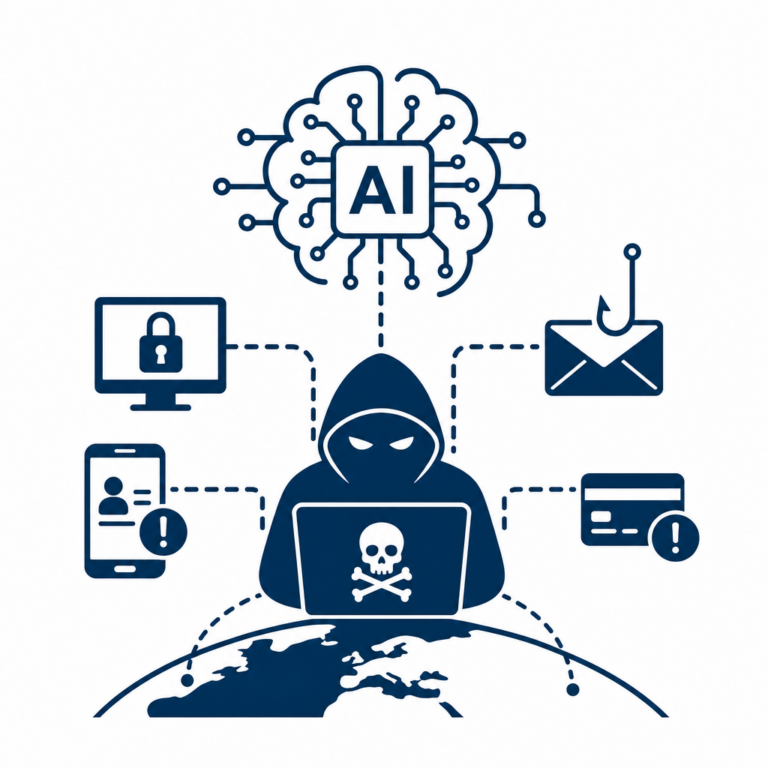
The current security landscape of data centers is marked by a dual challenge: safeguarding physical assets and fortifying cyber defenses. As the backbone of AI technologies, data centers must contend with evolving threats from both state-sponsored actors and sophisticated cybercriminals. Recent incidents, including devastating ransomware attacks and breaches affecting sensitive user data, underscore the critical need for comprehensive security strategies.
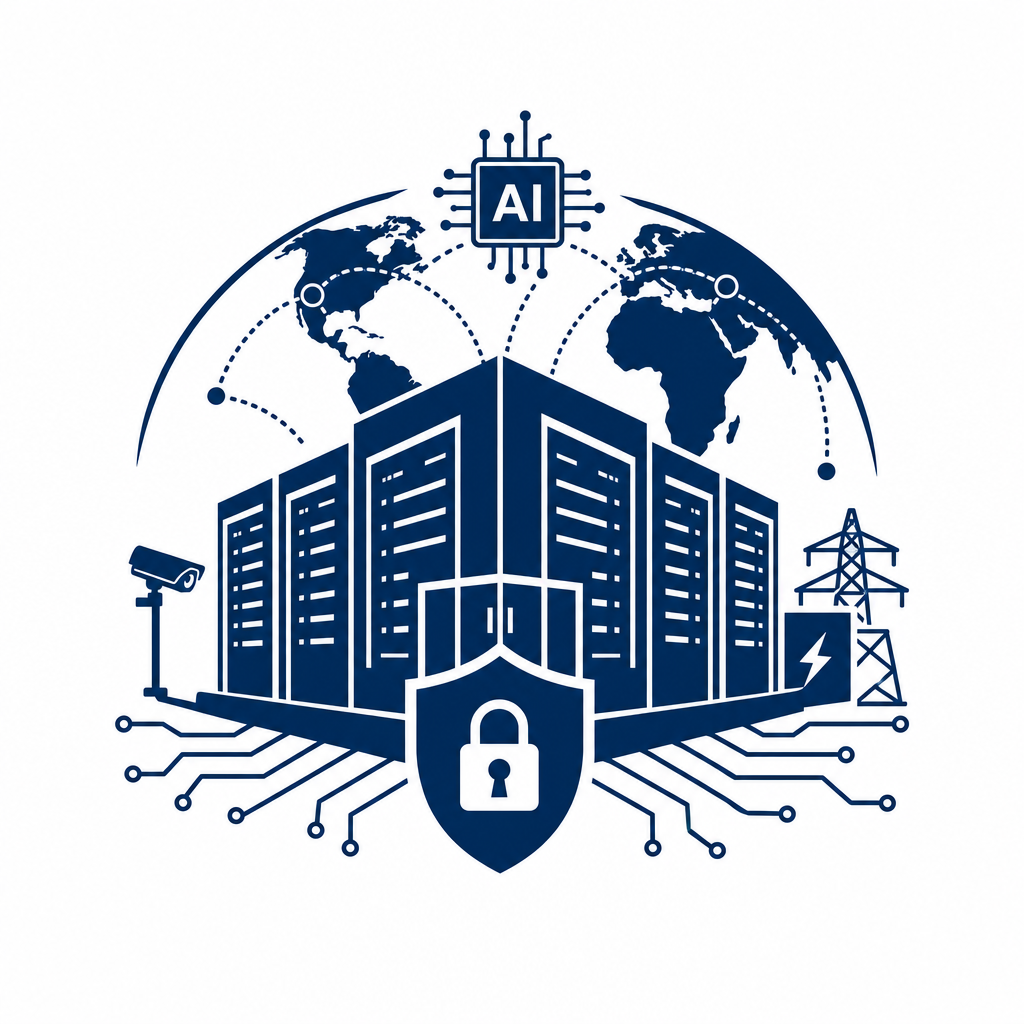
Physical security measures are a first line of defense, incorporating access controls, surveillance systems, and even biometric authentication to prevent unauthorized entry. However, as data centers increasingly rely on interconnectivity, the cybersecurity realm becomes equally paramount. Firewalls, intrusion detection systems, and continuous monitoring are essential in detecting and mitigating potential attacks.
A robust security framework for data centers demands a layered approach. This includes implementing strict access controls, regular vulnerability assessments, and continuous employee training on cybersecurity practices. Furthermore, advanced encryption technologies play a vital role in securing data both at rest and in transit. By proactively anticipating and responding to emerging threats, data centers can protect sensitive information and maintain the trust of businesses and consumers alike.
Understanding the Security Landscape
As the AI landscape continues to unfold, the security of data centers has become paramount. These facilities, which house the vast infrastructure behind AI capabilities, face evolving threats from sophisticated state actors and cybercriminals. Recent high-profile cyberattacks, like the SolarWinds breach, highlight vulnerabilities in digital infrastructure that extend beyond traditional enterprise networks, posing heightened risks to data center operations.
A robust security framework for data centers must encompass both physical and cybersecurity measures. Physical security entails not only fortified access controls and surveillance systems but also contingency plans for natural disasters and power outages. On the digital side, a layered security approach is essential. This includes employing firewalls, intrusion detection systems, encryption protocols, and continuous monitoring to protect sensitive data from external and internal threats.
Moreover, the integration of advanced technologies like artificial intelligence within security processes is becoming increasingly common, where AI can analyze traffic patterns to detect anomalies in real-time. As AI capabilities grow, so do the methods employed by adversaries; thus, the security posture of data centers must continually adapt to safeguard against these emerging threats, ensuring resilience in the face of an ever-changing digital landscape.
Geopolitical Implications of Data Center Security
As data centers increasingly underpin global AI advancements, their security has become a linchpin in geopolitical arenas. Nations recognize that these facilities are not just conduits for data but critical infrastructure that holds national interests at stake. The competition for technological supremacy now includes the strategic positioning of data centers, with countries vying to host these assets to safeguard their data sovereignty, bolster economic growth, and assert geopolitical influence.
Geopolitical tensions over data infrastructure can be seen in decisions surrounding the locations of data centers. For instance, the U.S. and China have engaged in a tech race, leading to significant investment in domestic data center capabilities. The dominance of any nation in cloud computing can shift balances of power, impacting international relationships and trade policies. Moreover, the required compliance with data governance policies adds another layer of complexity. Nations increasingly seek to regulate data flows, emphasizing localized storage and processing to protect sensitive information from foreign adversaries.
Case studies abound, illustrating how data center locations can reflect political motives. The deployment of data centers by tech giants in regions with favorable regulations can act as both a business strategy and a geopolitical maneuver, showcasing the strategic importance of infrastructure in the broader context of national security and diplomacy.
Privacy Concerns in the Age of AI
As AI technologies evolve, so do the challenges concerning privacy, particularly within the context of data centers that harbor vast amounts of personal information. The digitization of our lives has led to an unprecedented scale of data collection, posing ethical dilemmas for both corporations and individuals. Data centers, as repositories of sensitive information, must navigate this landscape carefully to maintain user trust.
Regulations like the General Data Protection Regulation (GDPR) in Europe set stringent standards for data handling, significantly influencing data center operations. Compliance requires organizations to implement robust privacy measures and ensures that individuals’ rights to access, correct, and erase their data are upheld. Such regulations not only shape corporate compliance frameworks but also redefine notions of corporate responsibility in data stewardship.
Balancing the need for accessible data to fuel AI advancements with the imperative to protect individual privacy remains a contentious issue. While data centers strive to enhance AI capabilities, they must also safeguard user privacy rights. This delicate equilibrium raises profound ethical considerations. Data centers are thus not just centers for processing power; they serve as moral touchstones for the intersection of technology and privacy in an increasingly surveilled world.
Environmental Impact and Sustainable Practices
As the demand for AI services continues to surge, the environmental implications of data centers become increasingly critical. These massive facilities consume an astounding amount of energy, often relying on fossil fuels, which significantly contributes to their carbon footprints. In fact, data centers account for roughly 2-3% of global electricity consumption, with projections indicating that this figure could rise as AI technologies proliferate. The resource-intensive nature of cooling systems and hardware further exacerbates their environmental impact, thereby confronting operators with urgent sustainability challenges.
Innovative practices are emerging to address these issues, ranging from the implementation of energy-efficient technologies to the adoption of renewable energy sources. Advanced cooling systems, such as liquid cooling and free-air cooling, are reducing energy consumption while enhancing performance. Additionally, many data center operators are increasingly investing in wind and solar power, striving for carbon neutrality. The drive toward designing environmentally friendly data centers is not only about compliance but also about corporate responsibility and brand reputation.
Operators play a pivotal role in shaping the future of AI infrastructure. By prioritizing their ecological footprint, they contribute toward a sustainable AI landscape, mitigating the risks associated with environmental degradation and climate change. Thus, fostering sustainable practices becomes a shared ethical commitment, essential for maintaining public trust and ensuring the longevity of data center operations.
The Future of Data Center Security and Ethical AI
As we look ahead to the future of data center security within the context of rapidly advancing AI, the landscape is marked by a dynamic interplay between technology, ethics, and geopolitical considerations. AI-driven security measures, such as machine learning algorithms that can detect anomalies in real-time, are becoming pivotal in safeguarding sensitive data from ever-evolving threats. By leveraging AI, data centers can automate responses to potential breaches, enhancing their resilience against both state-sponsored attacks and cybercriminal activities.
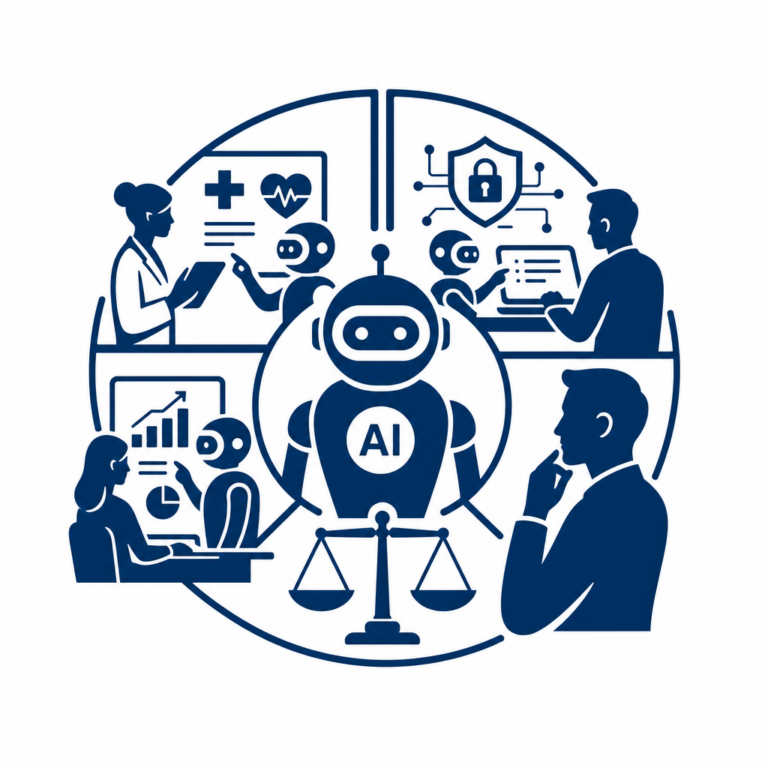
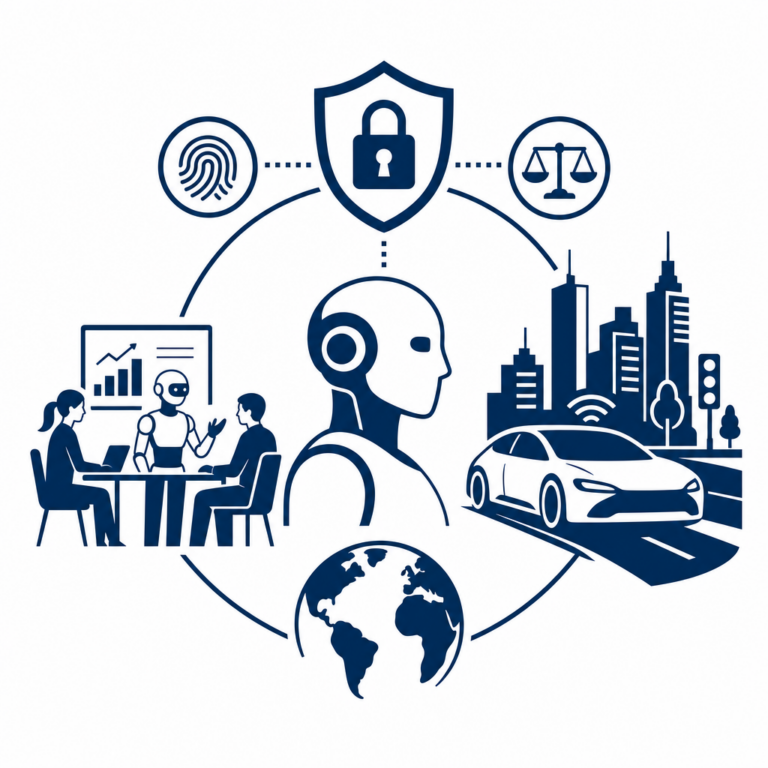
However, the evolution of security technology brings inherent responsibilities. Stakeholders—including governments, corporations, and the public—must collaborate to ensure the ethical development of AI systems that prioritize security and privacy. This involves the establishment of robust frameworks that not only safeguard data but also uphold ethical standards in AI deployment.
Transparency is paramount in fostering public trust. Operational transparency regarding security protocols and data handling practices can alleviate concerns regarding privacy breaches and misuse of data. The call for greater accountability extends to ensuring that the technologies employed—especially those relying on AI—are not just effective but also socially responsible. This collaborative effort will be crucial to securing our digital infrastructure and maintaining the delicate balance between technological advancement and ethical governance in an increasingly AI-driven world.
Conclusions
As we navigate the complexities of securing data centers, it becomes apparent that these infrastructures are vital not only for technology but also for global stability. Understanding the interplay of physical security, cybersecurity, and ethical considerations is essential. As AI continues to evolve, so too must our commitment to safeguarding these critical assets.