Beyond Chatbots: The Rise of Autonomous AI Agents and the Future of Action
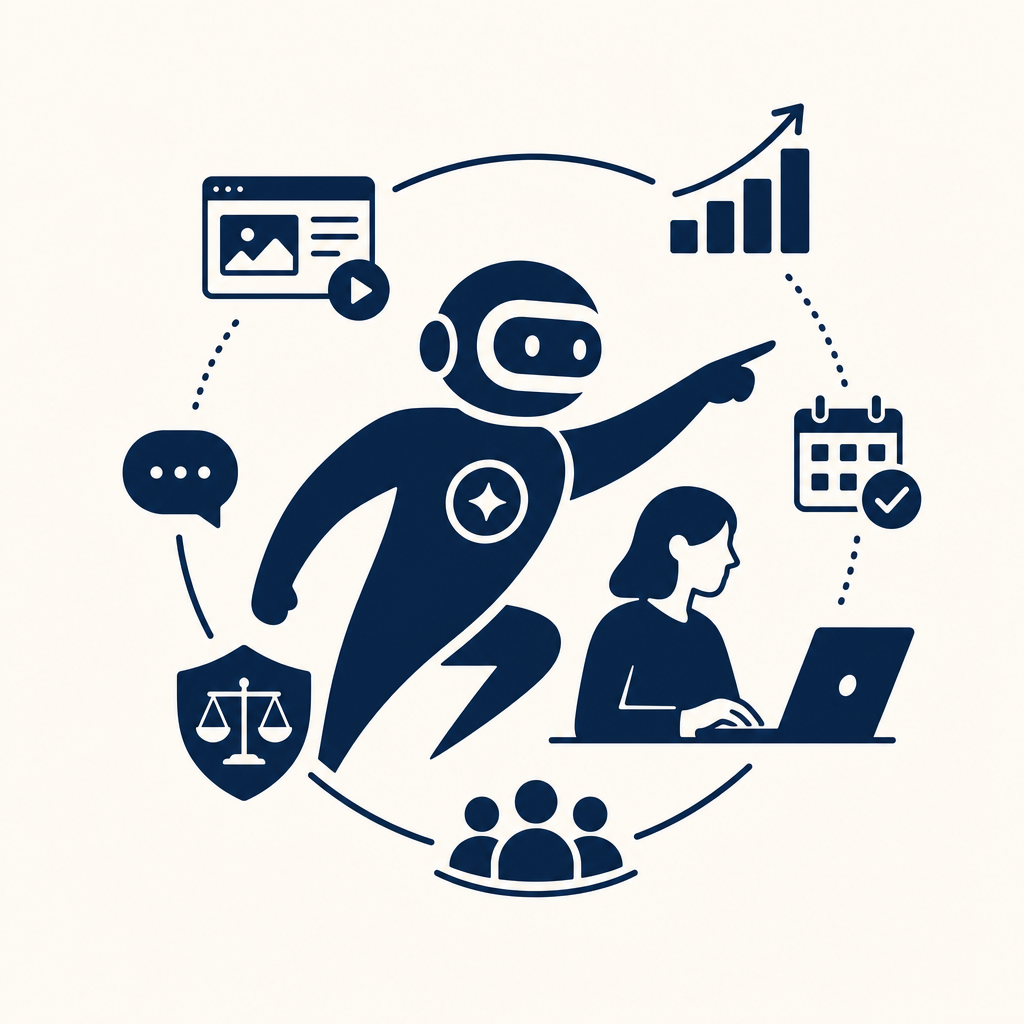
As artificial intelligence rapidly advances, we are witnessing a significant transformation from traditional chatbots to sophisticated autonomous AI agents. These agents are capable of proactive decision-making and task execution, shaping the future landscape of both personal and professional environments. This article delves into the foundational technologies driving this evolution and the diverse implications for society.
The Evolution of AI Interfaces
The evolution of AI interfaces has reached a pivotal moment with the introduction of autonomous AI agents, which stand in stark contrast to their predecessors, traditional chatbots. While early chatbots relied on rule-based programming and simple keyword recognition, they often struggled with complex tasks and lacked the capability to understand context, resulting in frustrating user experiences. This limitation catalyzed advancements in machine learning and natural language processing, enabling AI to transition from basic responses to a deeper comprehension of user intent and context. The development of sophisticated algorithms allowed autonomous AI to analyze patterns in vast datasets, facilitating the generation of nuanced and context-aware responses.
As these systems matured, they began to employ predictive analytics for more proactive interactions, moving beyond mere conversation to independent decision-making and task execution. This shift has been instrumental in redefining user interactions, as AI agents can now synthesize information from various sources, anticipate needs, and take action without ongoing human input. Thus, the move towards autonomous AI agents not only enhances efficiency but also transforms the relationship between humans and technology, establishing a foundation for a future where users engage with digital systems that operate intelligently in their stead.
Technological Foundations of Autonomous AI
The emergence of autonomous AI agents is underpinned by several key technological advancements that have transformed their ability to operate independently. Central to this evolution are sophisticated algorithms and machine learning techniques that enable these systems to learn from data and adapt over time. Utilizing deep learning frameworks, AI agents can analyze vast datasets to identify patterns, derive insights, and make informed decisions without human intervention.
Data integration plays a crucial role, as these agents leverage multiple sources of information—structured and unstructured—through APIs and real-time data streams. This capability allows systems like Meta’s Muse and Google’s CC to gain a comprehensive understanding of their environments, facilitating proactive actions based on contextual awareness.
Moreover, the rise of cloud computing has been instrumental, offering scalable resources that support the vast computational power required for complex analytics. The cloud enables seamless data storage and processing, ensuring that AI agents can operate efficiently and respond to user requests with agility. Enhanced data analytics capabilities further augment these agents’ functionalities, equipping them to process, interpret, and act on information almost instantaneously. This technological confluence not only propels autonomous AI but also signals a shift towards a future where machines complement and enhance human endeavors with minimal oversight.
Impact on Business Automation
The emergence of autonomous AI agents is fundamentally altering business processes and automation across diverse industries. By harnessing advanced algorithms and machine learning, these AI agents operate as decision-makers, seamlessly integrating into organizational workflows and enhancing efficiencies. In marketing, for instance, AI agents can analyze customer behavior in real time, optimizing strategies that can be executed without human intervention. This allows businesses to engage with consumers more dynamically, tailoring experiences that resonate on a personal level.
In customer service, autonomous AI agents—such as chatbots that evolve into proactive problem-solvers—are transforming traditional support models. These systems can manage inquiries, troubleshoot issues, and escalate matters when necessary, thereby improving response times and customer satisfaction. Similarly, in supply chain management, AI agents can automate inventory management, predict demand fluctuations, and streamline logistics processes, reducing operational costs and enhancing productivity.
As these advanced AI systems take over intricate workflows, the very structure of organizations is likely to shift. Job roles will evolve towards more strategic, creative tasks, while routine operations may be handled entirely by AI. This pivot not only redefines the future of work but also underscores the importance of implementing robust governance frameworks to ensure these technologies are deployed ethically and responsibly.
Revolutionizing Digital Marketing Strategies
As AI agents become central to digital marketing, they usher in a transformative era characterized by proactive personalized marketing and data-driven insights. These autonomous agents, such as Meta’s Muse and Google’s CC, utilize vast datasets to finely tune marketing strategies, ensuring messages reach the right audience at optimal times. This shift allows marketers to move from reactive strategies to proactive engagement, where AI anticipates consumer needs and preferences based on behavioral patterns.
Automated content creation is another significant advancement. Businesses can now deploy AI agents to generate everything from personalized email campaigns to dynamic website content, tailoring the user experience in real-time. For instance, a retail brand utilized autonomous AI to analyze customer interactions and automatically adjust promotional offers, resulting in a 30% increase in conversion rates.
Moreover, data-driven consumer insights are advanced through continuous analysis of market trends and audience responses. Companies leveraging these insights can refine their messaging, adjust campaigns on the fly, and ultimately create a more engaged consumer base. In this landscape, the synergy of creativity and analysis becomes vital, as businesses not only rely on AI’s efficiency but also on leveraging human creativity to guide AI-driven initiatives for maximum impact.
Ethics and Governance in AI Development
As autonomous AI agents like Meta’s Muse and Google’s CC emerge, the ethical concerns surrounding their development become increasingly urgent. These systems, capable of making independent decisions and executing tasks without human intervention, introduce complex challenges related to **transparency** and **accountability**. Ensuring that stakeholders understand how these agents operate is paramount. Companies must provide understandable insights into the decision-making processes of their AI systems to foster trust and mitigate fear surrounding unknown biases or actions.
**Bias mitigation** is another critical factor. Autonomous agents are only as unbiased as the data they are trained on. Therefore, organizations must implement rigorous auditing practices and diverse data sets to minimize the risk of perpetuating existing societal inequalities. Establishing governance frameworks is essential for guiding ethical AI development. Best practices may include **clear ethical guidelines**, regular assessments, and ongoing stakeholder engagement in the design and deployment process.
Additionally, collaboration with industry experts and ethicists can help create robust governance structures that encompass **regulatory compliance** and **ethical oversight**. By prioritizing ethical AI deployment, we can ensure that the benefits of these technologies are maximized while minimizing risks, paving the way for constructive coexistence with future innovations.
The Future of Work with Autonomous AI
The integration of autonomous AI agents into the workforce paints a complex picture of both challenges and opportunities. As these technologies, such as Meta’s Muse and Google’s CC, assume tasks previously carried out by humans, the potential for job displacement becomes a pressing reality. Industries may witness significant shifts as autonomous agents take over routine tasks, prompting concerns about unemployment and skill redundancies.
However, it is crucial to recognize that this transformation also opens doors to new opportunities. Roles previously unfathomable might emerge, emphasizing creativity, emotional intelligence, and strategic decision-making—the very qualities that differentiate humans from machines. By automating mundane tasks, organizations can focus on higher-value activities, driving innovation and enhancing productivity.
To navigate this evolving landscape, upskilling and reskilling become paramount. Workers must adapt to the new technological ecosystem, learning to collaborate effectively with AI agents. A symbiotic relationship between humans and autonomous systems can enhance workplace efficiency and creativity, shaping a future where both coexist harmoniously. Embracing this collaborative spirit will not only mitigate risks associated with job displacement but also promote a more inclusive and innovative workforce prepared for the challenges of tomorrow.
Conclusions
In summary, the emergence of autonomous AI agents marks a pivotal shift in our engagement with technology. Their ability to act independently presents remarkable opportunities while simultaneously raising ethical considerations. As we embrace this new era, establishing governance frameworks and ethical guidelines becomes essential to ensure that the benefits of these technologies are realized responsibly and sustainably.