
The Phygital Revolution How Physical AI and Offline Experiences Are Redefining Business and Human Connection
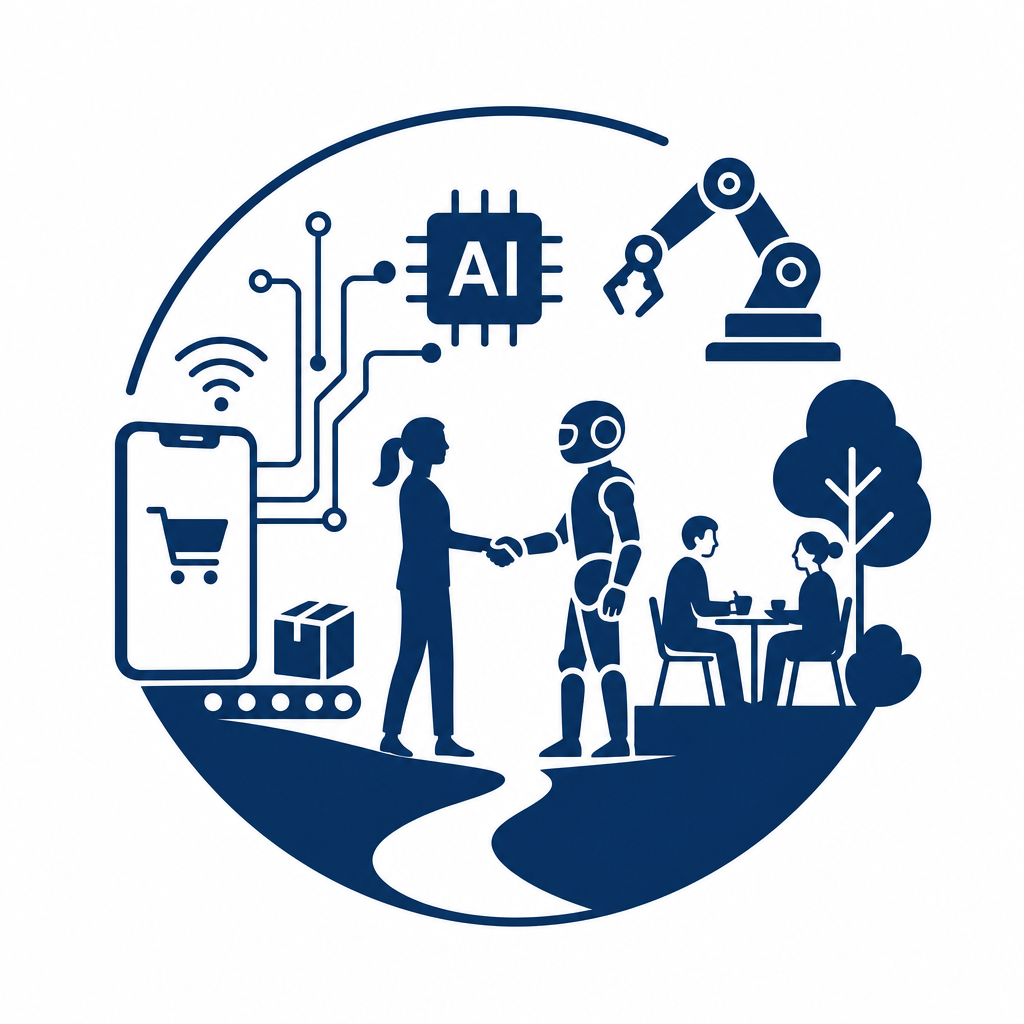
The Phygital revolution blends physical and digital experiences, reshaping how we interact with technology and each other. This article delves into the rise of physical AI, encompassing smart devices, robotics, and the essential role of offline experiences in fostering human connections in an increasingly automated society. We will explore the implications for business growth and consumer behavior.
Understanding Physical AI
The emergence of Phygital experiences marks a defining moment in how brands engage consumers, intertwining physical presence with digital interactions. By blending the tactile nature of real-world experiences with the immediacy of digital connectivity, companies can create immersive environments that captivate and engage. For instance, Nike has revolutionized its retail strategy by integrating mobile apps that guide visitors through personalized store experiences, allowing them to interact with products using augmented reality (AR) features. Consumers can virtually try on shoes, enabling them to assess fit and style right in the store.
Similarly, IKEA launched its Place app, employing AR technology to allow customers to visualize how furniture will look in their homes before purchase. This Phygital strategy not only enhances consumer confidence but also fosters emotional connections through seamless integration of physical and digital realms.
Moreover, in the financial sector, banks are utilizing AI-driven chatbots within their physical branches, enabling customers to manage their accounts via digital interfaces while enjoying face-to-face consultations. These innovative approaches illustrate how brands effectively blend physical and digital experiences to deepen consumer engagement, making every interaction meaningful.
The Rise of the Phygital Experience
As Phygital experiences gain traction, brands are discovering innovative ways to enhance consumer engagement by merging the digital and physical realms. This intersection amplifies interactions where physical presence can create deeper emotional connections and facilitate immersive customer experiences. For example, Nike’s flagship stores utilize augmented reality to allow customers to try on shoes virtually while in-store. This blend of technology and physicality not only enhances the shopping experience but also creates memorable moments that resonate with customers.
Another case is Amazon Go, which combines smart devices and AI to redefine the grocery shopping experience. Consumers can walk in, pick up items, and leave without scanning or checking out, thanks to their app and advanced sensor technology. This seamless integration of digital convenience and physical shopping satisfies customer needs for efficiency while still offering the tangible experience of browsing in a store.
By leveraging Phygital experiences, brands aim to capture consumer attention and foster loyalty. Companies like IKEA are exploring AR applications to visualize furniture in customers’ homes, crafting an experience that transcends mere online browsing. These immersive strategies illustrate how thoughtfully designed physical interactions can not only enhance user experience but also elevate brand identity in a crowded market.
Reimagining Human Connection
As the digital landscape becomes increasingly automated, the significance of offline experiences in fostering genuine human connections cannot be overstated. In a world where personal interactions are often eclipsed by screens and algorithms, the need for real-world engagement emerges as a vital antidote to social isolation. Physical AI plays a crucial role in this shift, providing tools and platforms that facilitate meaningful interactions among individuals.
Technology undoubtedly impacts how we connect with others, but the paradox lies in its ability to simultaneously foster and hinder relationships. While digital tools streamline communication, they often lack the warmth and nuance of face-to-face interactions. To counterbalance this, Phygital initiatives are emerging that prioritize community-building and authenticity. For example, smart devices can be integrated into physical spaces, encouraging group activities that blend digital interaction with shared experiences, such as AI-enhanced workshops or face-to-face meetups that leverage data for personalized engagement.
These efforts not only rekindle interpersonal communication but also celebrate local cultures and communities by creating environments where people feel invited to engage. As such, fostering authentic relationships through these Phygital strategies shapes a more connected society amidst growing automation and digital detox movements.
Startups Innovating in the Phygital Space
In the heart of the Phygital revolution, startups are innovating to fuse the physical and digital realms seamlessly. They are redefining consumer experiences by harnessing the power of physical AI alongside immersive offline interactions. For instance, *Furhat Robotics* is pioneering humanoid social robots that can engage in meaningful conversations, enhancing environments such as healthcare and education. Their strategy emphasizes user-centered design, ensuring that the technology feels approachable and relatable, fostering deeper human connections.
Other startups, like *MakersPlace*, are merging art and technology through exhibitions of digital and physical artwork. They create pop-up galleries that encourage interpersonal interactions while showcasing advanced AI-generated art, bridging the gap between online viewing and tangible appreciation. Their focus on community engagement allows for authentic experiences that traditional online platforms often lack.
Moreover, businesses like *Ritual* are integrating mobile technology with offline experiences by enabling users to place orders in advance for in-store pickup, thus minimizing wait times and enhancing customer satisfaction. These startups disrupt conventional business models by prioritizing dynamic engagement and personalization, establishing a landscape where technology amplifies, rather than replaces, human interaction—a crucial aspect as society navigates the complexities of the phygital age.
Implications for Digital Agencies
As the Phygital revolution reshapes consumer interactions, digital agencies face both challenges and opportunities. To effectively support clients navigating this complex landscape, agencies must adopt a multifaceted approach that integrates both digital and physical realms. Key to this evolution is the development of skills in **physical AI**, including understanding smart devices and robotics that enhance the customer experience in tangible locations.
Agencies will need to rethink their web development strategies, designing platforms that not only cater to online transactions but also bridge the gap to physical experiences. This includes creating seamless interfaces that facilitate interactions with smart devices in retail spaces or personalizing offline experiences through data-driven insights.
Moreover, marketing strategies must pivot toward fostering genuine **human connection**, leveraging offline events, experiential marketing, and community-building efforts. Digital detox movements have encouraged consumers to crave authentic, real-world interactions, prompting agencies to develop campaigns that emphasize these values.
For automation services, a focus on integrating AI solutions that complement physical interactions will become critical. Agencies will need to guide clients on how to leverage data analytics from both online and offline engagements, ensuring that their services remain relevant and engaging in a rapidly evolving marketplace.
Future Trends and Conclusion
As the Phygital revolution unfolds, the future trajectory of Physical AI and offline experiences is poised for significant transformation. Rapid advancements in technology, alongside shifting consumer preferences towards more meaningful interactions, are paving the way for innovative business models. **Businesses that harness the power of smart devices, robotics, and other physical AI technologies will create a more integrated experience that transcends the digital realm.**
Anticipating a future where automation and human connection Coalesce, organizations must emphasize agility and adaptability in their operations. **Investing in employee training to integrate AI in customer service and production will be crucial.** Embracing a digital detox strategy can also help businesses cultivate authentic and deep connections with their customers. As consumers increasingly seek to unplug from digital screens, offering offline experiences—such as workshops and community gatherings—will become vital.
To remain relevant, businesses should prioritize enhancing customer engagement through personalized offline interactions. **Startups are at the forefront of this shift, experimenting with hybrid models that weave together physical and digital experiences.** By embracing innovation and focusing on fostering real human connections, companies can unlock the transformative potential of the Phygital landscape, ultimately enhancing their growth trajectory in a fast-evolving marketplace.
Conclusions
In conclusion, the Phygital revolution redefines the boundaries between physical and digital, creating opportunities for innovation in business and enhancing human connections. As we embrace physical AI and offline experiences, organizations must adapt to these changes to thrive in a world where technology and human interaction coexist harmoniously. The journey towards a balanced approach presents promising pathways for the future.