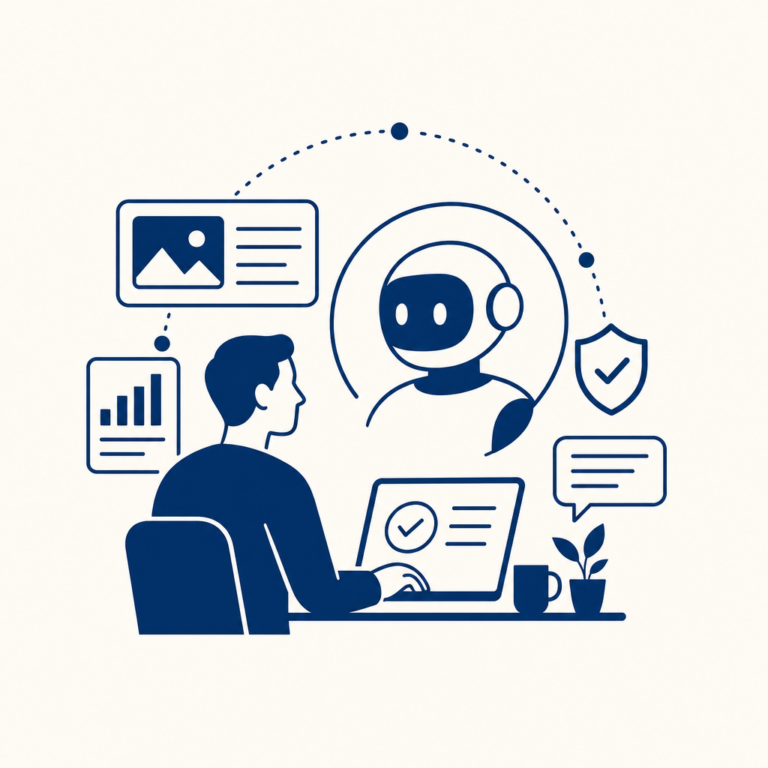
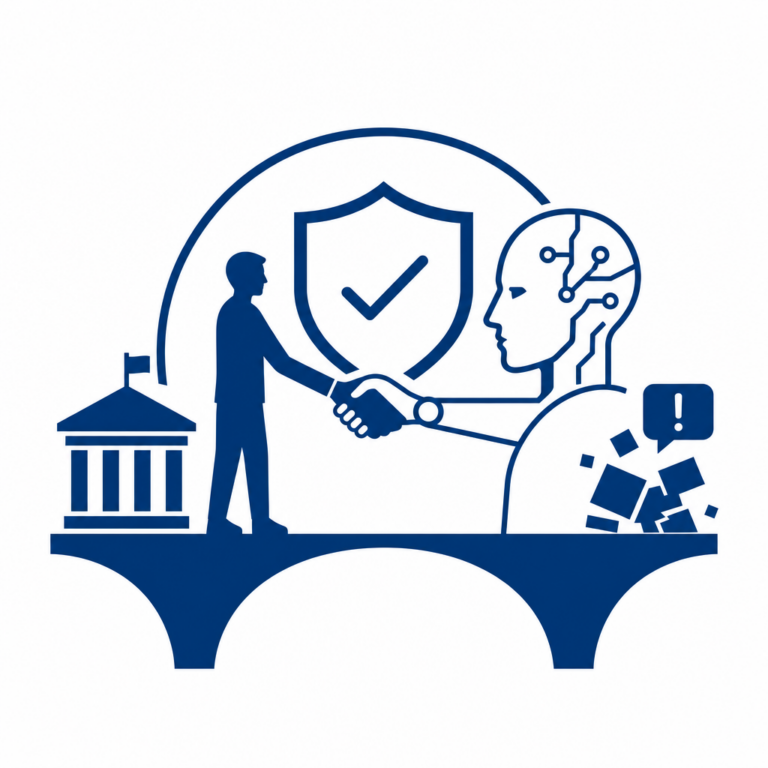
The Rise of Personal AI Agents: Navigating Privacy, Security, and User Trust
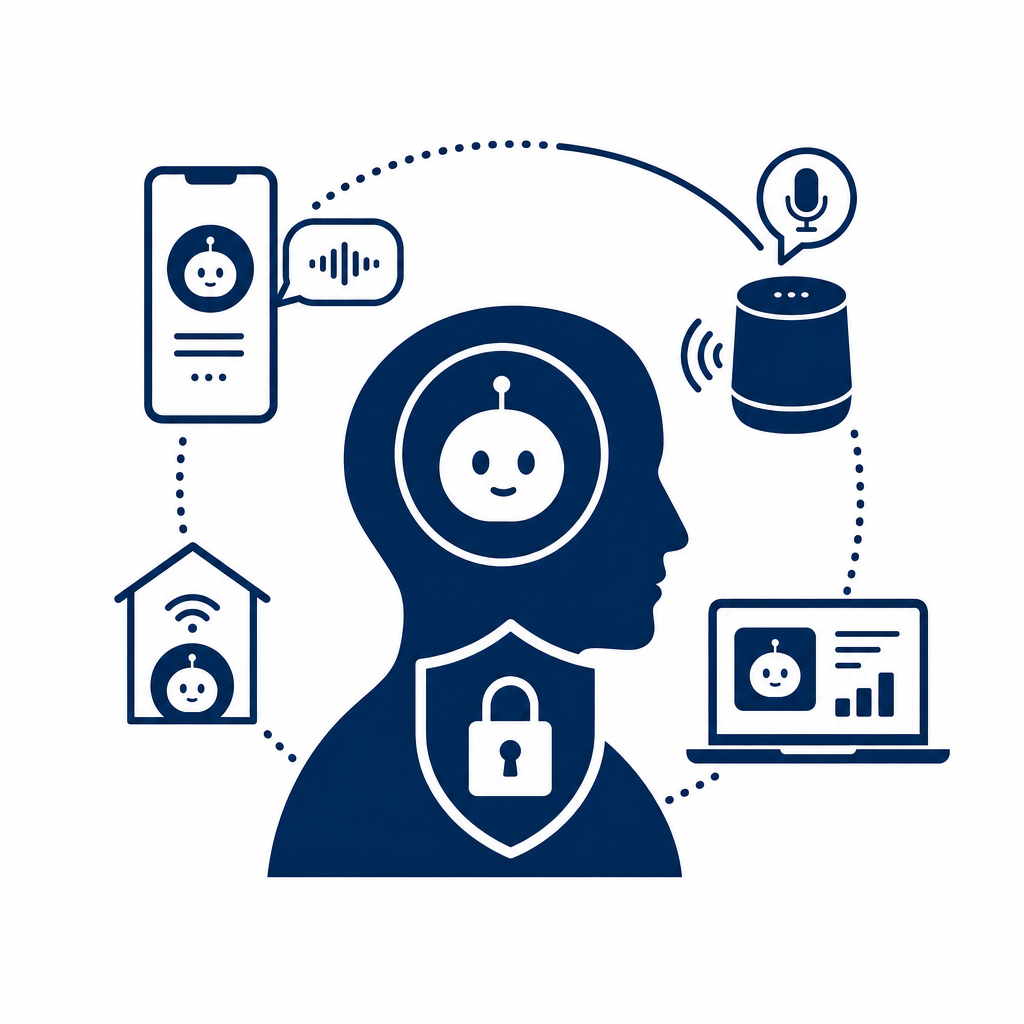
Personal AI agents are transforming the way we interact with technology, enhancing productivity and convenience in daily tasks. However, as their capabilities grow, so do concerns regarding privacy, security, and user trust. This article explores the multifaceted nature of personal AI agents, their integration into our lives, and the challenges they present for maintaining user security and ethical considerations.
Understanding Personal AI Agents
Personal AI agents have become integral to daily life, offering functionalities that extend well beyond simple voice commands. These intelligent systems assist users in managing a wide array of tasks, whether through scheduling appointments, sending reminders, or even curating personalized content. Their capacity for handling multiple tasks simultaneously enhances efficiency, allowing users to focus on more strategic or meaningful activities.
In addition to task management, personal AI agents provide instant access to information. Users rely on these digital assistants to answer queries, offer recommendations, and provide real-time updates on various topics such as weather, news, and personal interests. For instance, smart home devices can manage household energy usage while providing entertainment options tailored to user preferences.
Moreover, businesses leverage personal AI agents to streamline operations. Companies like Amazon and Google utilize chatbots to handle customer inquiries, reducing waiting times and enhancing customer satisfaction. In healthcare, AI agents can schedule appointments and manage patient follow-ups, demonstrating the versatility of these tools across different sectors. Ultimately, the adoption of personal AI agents in everyday activities reflects a trend toward greater efficiency and automation, benefiting both individuals and organizations.
Functionalities and Benefits of Personal AI Agents
Personal AI agents have transformed the way individuals and businesses manage their daily activities, effectively streamlining numerous tasks and enhancing convenience. Equipped with powerful functionalities, these digital assistants utilize natural language processing and machine learning to manage schedules, set reminders, provide information, and even offer personalized recommendations based on user preferences. For instance, a popular personal AI agent, like Google Assistant, can efficiently orchestrate daily routines by integrating with various smart devices—a feature that not only aids households but also improves productivity in corporate environments.
The benefits of personal AI agents extend well beyond mere task management. They enhance personal efficiency, allowing users to allocate time to more critical responsibilities while the AI manages less important duties. Furthermore, personalized experiences foster increased user satisfaction, as these agents learn and adapt to individual needs and preferences over time.
Businesses are increasingly adopting AI agents to optimize operations. For example, companies like Slack have integrated AI tools that assist teams in collaboration and project management. By automating mundane tasks, organizations can focus on innovation and growth, ultimately leading to improved employee morale and performance. Such practical applications underscore the significance of personal AI agents in modern life.
The Importance of AI Privacy
The emergence of personal AI agents has sparked significant discussions around the critical issue of privacy. These intelligent systems operate by collecting vast amounts of personal data to tailor their functionalities to individual needs, which raises considerable concerns. As they analyze user preferences, communication patterns, and even location data, the potential for misuse becomes evident. Users may unknowingly grant access to sensitive information, leading to risks such as data theft or misuse by third-party entities.
Current privacy laws, such as the General Data Protection Regulation (GDPR) in Europe and the California Consumer Privacy Act (CCPA) in the United States, attempt to provide a regulatory framework for data usage. However, the rapid evolution of AI technology often outpaces these regulations, creating a gap between user expectations for privacy and the real-world practices of data handling.
To safeguard privacy while utilizing personal AI agents, users should adopt a proactive approach. This includes reviewing privacy settings, regularly updating permissions, and being cautious about the information shared. Employing encryption tools, using anonymizing services, and configuring devices to minimize data sharing can significantly enhance personal privacy and ensure that the relationship with AI remains mutually beneficial and respectful.
Ensuring AI Security
The rapid integration of personal AI agents into daily life brings a host of security challenges that cannot be overlooked. These agents, while enhancing user convenience, also create vulnerabilities that can be exploited. Data breaches may expose sensitive user information, while unauthorized access could allow malicious actors to manipulate AI systems for nefarious purposes. Cyber threats, including phishing attacks or ransomware, can compromise not only individual users but also the overall integrity of AI services.
To address these security challenges, several strategies can be employed. **Encryption** is vital; it protects data both at rest and in transit, ensuring that even if data is intercepted, it remains unreadable. **User authentication** mechanisms, such as multi-factor authentication, bolster security by requiring proof of identity beyond mere passwords. Regular **software updates** are essential; these updates often contain crucial security patches that protect against newly discovered vulnerabilities.
As individuals and businesses consider the adoption of personal AI agents, understanding these security measures is imperative. Prioritizing AI security not only protects user data but also reinforces the trust and privacy foundation established in previous discussions.
Building User Trust in AI
User trust plays a pivotal role in the successful adoption of personal AI agents. Trust is built on several foundational pillars, among which transparency, reliability, and ethical considerations are paramount. Users must feel confident that their AI assistant will adequately safeguard their personal data and respond accurately to their inquiries. However, lapses in these areas can swiftly undermine trust, resulting in users feeling vulnerable or manipulated.
To foster greater trust, companies and developers must prioritize user-friendly practices. This includes implementing clear and concise privacy policies that outline data usage, retention, and sharing protocols. Moreover, establishing mechanisms for user feedback and providing avenues for users to control their data can significantly enhance their sense of security. Communication plays a crucial role; maintaining open channels for addressing user concerns not only mitigates fears but also empowers users by including them in the decision-making processes regarding their data.
Additionally, incorporating ethical AI practices, such as ensuring fairness in algorithmic decision-making and avoiding biases, is vital. By actively engaging users in discussions about AI ethics, organizations can strengthen the relationship between users and their personal AI agents, positioning these technologies as reliable partners in daily life.
The Future of Personal AI Agents
As we gaze into the future of personal AI agents, several promising advancements appear poised to redefine their role in our daily lives. Emerging trends suggest an increase in AI technology sophistication, primarily driven by machine learning and natural language processing. This evolution will allow personal AI agents to deliver deeper levels of customization, understanding user preferences and habits to tailor their responses and actions more intricately.
Moreover, the proliferation of smart environments, from homes to workplaces, will further embed these digital assistants into our routines. Their integration with the Internet of Things (IoT) will create seamless experiences, where personal AI agents manage everything from energy consumption to scheduling, facilitating a smoother, more efficient lifestyle.
Yet, with these advancements come ethical dilemmas surrounding AI privacy and security. As these agents become increasingly adept at collecting and processing personal data, potential misuse and breaches pose real threats. Establishing robust guidelines for responsible development and utilization is essential. Companies and developers must prioritize user consent, data protection, and transparency, ensuring that ethical considerations are woven into the fabric of future AI technologies. By adopting these principles, we can harness the full potential of personal AI agents while safeguarding the trust and well-being of users.
Conclusions
In conclusion, while personal AI agents offer significant advantages in our daily activities, it is crucial to address the challenges related to privacy, security, and user trust. By understanding these issues and adopting best practices, both individuals and businesses can harness the full potential of personal AI agents, ensuring a seamless and secure experience in a rapidly advancing digital landscape.