The Rise of the AI Workforce

As the influence of artificial intelligence grows, the modern workforce is experiencing significant transformation. This article explores the rise of AI agents and intelligent automation, examining their impact on business operations, talent development, and human-AI collaboration. Through this lens, we can traverse the complexities and opportunities that define the future of work.
Understanding the AI Workforce
The emergence of AI agents signifies a transformative leap in the capabilities of automated systems, capable of executing tasks that traditionally required human cognition and judgement. These autonomous systems range from virtual assistants, like Siri and Alexa, that manage everyday tasks, to more complex autonomous bots employed in sectors such as healthcare and finance.
In customer service, AI agents streamline interactions, answering queries and resolving issues without human intervention, resulting in improved efficiency and customer satisfaction. In data analysis, these agents sift through vast datasets in real-time, uncovering insights and trends that inform executive decision-making. For example, AI-driven analytics platforms can predict market shifts by analyzing consumer behavior patterns, enabling businesses to react swiftly and strategically.
As AI agents take on more sophisticated roles, they not only enhance productivity but also reshape the workflow within organizations. By offloading repetitive and time-consuming tasks from human workers, these agents allow employees to focus on higher-level responsibilities, fostering innovation and strategic thinking. This shift underscores the necessity for organizations to invest in developing human skills that complement the capabilities of AI, ensuring that both human and machine work in tandem for optimal outcomes.
The Role of AI Agents
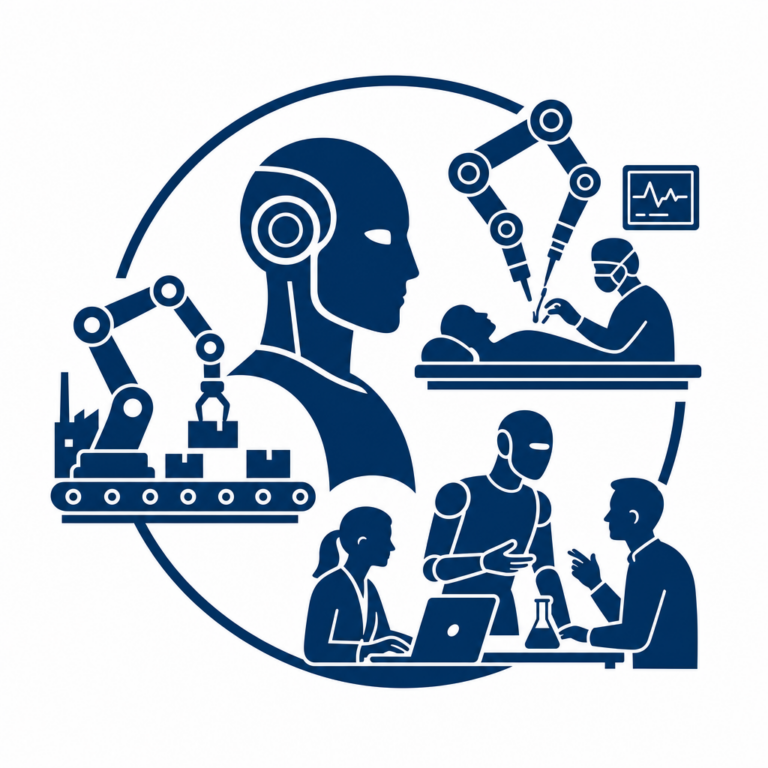
AI agents represent a transformative leap in the automation landscape, functioning as autonomous systems that execute tasks with minimal human intervention. These agents come in various forms, including virtual assistants like Amazon’s Alexa and Google’s Assistant, which can manage schedules and answer queries through natural language processing. Meanwhile, autonomous bots can operate within specified environments, such as in manufacturing or logistics, to streamline operations by performing repetitive physical tasks.
These AI agents are increasingly prevalent across sectors such as customer service, where chatbots can handle thousands of inquiries simultaneously, providing instant responses and freeing human agents for more complex issues. In the realm of data analysis, systems like IBM’s Watson can sift through vast datasets, uncovering insights that inform strategic decisions and enhance business intelligence.
Moreover, AI agents are integral to decision-making processes within organizations. They analyze data trends and consumer behavior, helping executives make informed choices rapidly. The application of AI agents not only fosters efficiency but also encourages innovation, reshaping traditional roles and collaborative dynamics between human employees and machines. As businesses realize the capabilities of AI agents, the workforce is evolving in response to this technological advancement.
Intelligent Automation in Business
Intelligent automation is revolutionizing the way businesses operate by seamlessly integrating AI and robotic process automation (RPA) to enhance efficiency and productivity. Through the automation of repetitive tasks and data-driven decision-making, organizations can achieve significant reductions in operational costs while improving overall effectiveness. This sophisticated synergy allows businesses to streamline processes, notably in areas like payroll management, customer relationship management, and supply chain operations.
For example, a global financial services company implemented intelligent automation to manage client onboarding. By automating documentation checks and integrating AI-driven risk assessments, they reduced onboarding time by 40%, significantly improving customer satisfaction. Another case is a leading retail chain that utilized intelligent automation for inventory management, resulting in a 30% decrease in overstocks and a 20% increase in fulfillment speed.
These case studies highlight that the successful deployment of intelligent automation requires careful planning, a clear understanding of operational workflows, and a commitment to training employees. The integration of AI and RPA not only mitigates the burden of mundane tasks but also empowers human workers to focus on higher-value strategic roles, fostering a collaborative environment where technology enhances human creativity and decision-making capabilities.
The Future of Work
As AI technology increasingly permeates the workplace, the very essence of the work experience is being redefined. Job roles are evolving, with many tasks traditionally performed by humans being delegated to AI agents, which can analyze data, predict trends, and even make recommendations. Consequently, employees may see a shift in their responsibilities, transitioning from routine tasks to more strategic decision-making roles that require creativity and critical thinking.
The integration of AI not only alters job scopes but also impacts work-life balance. As tasks become more automated, employees may find themselves with increased flexibility, allowing for a more harmonious integration of personal and professional life. However, this could come with challenges, including the need for employees to adapt to a more dynamic work environment where continual learning is a necessity.
Moreover, ethical considerations and policy adjustments must be a priority for organizations. Ensuring that AI enhances rather than replaces human roles involves creating guidelines that foster collaboration between human workers and AI systems. A commitment to adaptability and ethical standards will be paramount as businesses navigate this transformative era, ultimately shaping a future where both humans and AI contribute to a more efficient and innovative workplace.
Talent Development in the Age of AI
As AI increasingly integrates into the workplace, talent development becomes indispensable for organizations aiming to remain competitive. The evolving job landscape necessitates a rethinking of traditional training paradigms. Companies must prioritize programs that cultivate skills complementing AI capabilities, such as critical thinking, creative problem-solving, and emotional intelligence. These soft skills will become essential as machines take on more technical tasks, underscoring the need for a workforce adept at leveraging AI advancements.
Continuous learning must be embedded into the corporate culture, fostering an environment where employees view education as an ongoing journey rather than a finite process. Leadership plays a crucial role in this developmental shift; leaders should champion continuous training initiatives and model adaptive learning behaviors. Organizations could implement mentorship programs, workshops, and digital platforms for self-paced learning that focus on upskilling and reskilling the workforce to meet AI demands.
Furthermore, collaboration with educational institutions can facilitate a pipeline of talent that aligns with future industry needs. Embracing these strategies ensures that companies not only adapt to AI integration but thrive, transforming their workforce into a dynamic entity able to tackle challenges in an increasingly automated landscape.
Human-AI Collaboration as a Strategy
As organizations increasingly integrate AI agents and intelligent automation into their operations, fostering effective human-AI collaboration becomes indispensable. Embracing technology as a partner rather than a rival is crucial for creating an inclusive culture that encourages innovation and engagement.
To cultivate such a culture, businesses should prioritize open communication, educating employees on the capabilities of AI and how it complements human intelligence rather than replacing it. **Training programs** should focus on enhancing soft skills alongside technical proficiencies, promoting adaptability and creative problem-solving. This ensures that employees feel empowered to leverage AI, effectively enhancing their decision-making.
Moreover, companies can implement cross-functional teams composed of humans and AI systems, allowing for real-time feedback and collaboration. These collaborative environments should harness the strengths of both parties, where AI handles routine data analysis, allowing human employees to focus on strategic initiatives and creative projects. Organizations can also encourage the sharing of successes and lessons learned from AI projects to stimulate enthusiasm and confidence among their workforce.
Ultimately, harmonizing human creativity with AI’s analytical power can drive business transformation, enabling organizations to navigate the future of work more effectively.
Conclusions
AI is not merely a tool but a catalyst for profound change in the workforce. Embracing human-AI collaboration, investing in talent development, and understanding the implications of intelligent automation are crucial for businesses striving to thrive in an increasingly automated landscape. Adapting to these changes will define the success of organizations in the future.