The Rise of the AI Workforce: From Robot Chefs to Executive Agents
As artificial intelligence continues to evolve, its role in our workforce grows significantly. This article explores the transformation of AI from a mere tool to a full-fledged employee across sectors like retail, culinary, and corporate environments, analyzing its implications on productivity and employment dynamics.
Understanding AI Agents
As we navigate the landscape of the AI workforce, understanding the broader phenomenon of automation is essential. Automation has evolved dramatically over the decades, transitioning from simple mechanized systems in the Industrial Revolution to today’s sophisticated AI-driven solutions. Key technologies such as machine learning, robotics, and natural language processing enable automation to thrive across various sectors, enhancing efficiency and productivity.
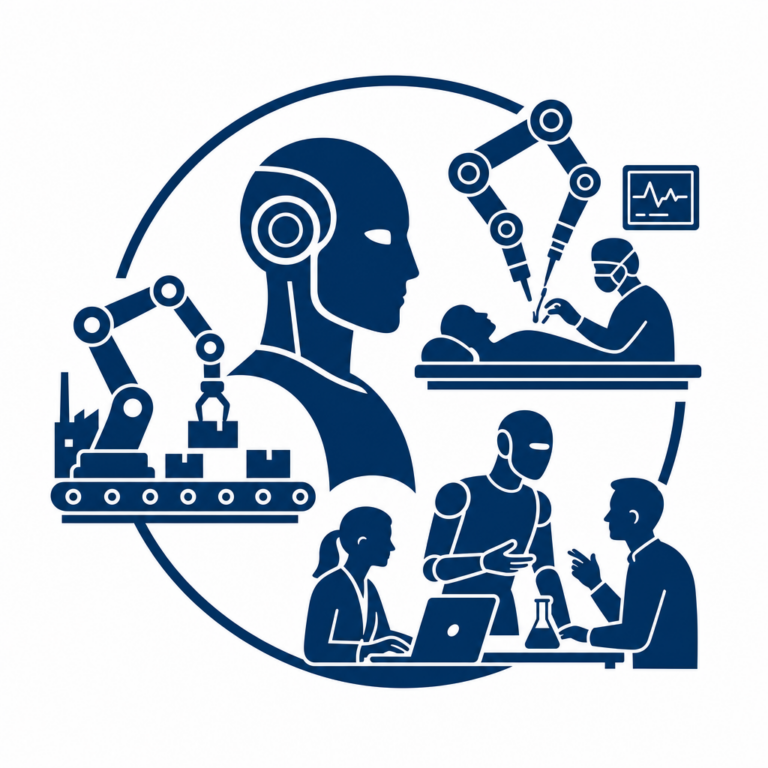
In manufacturing, for example, automated robotics perform intricate assembly tasks, significantly reducing labor costs and increasing output. Similarly, in customer service, AI chatbots are seamlessly handling inquiries, streamlining operations and allowing human workers to focus on more complex issues. The benefits of implementing automation extend beyond mere cost savings. Organizations experience improved accuracy, decreased turnaround time, and the ability to analyze vast amounts of data quickly.
However, as automation reshapes job roles, it calls into question the future workforce. While some jobs become obsolete, new roles emerge, requiring skillsets focused on AI oversight, data analysis, and creative problem-solving. This fluid transition emphasizes the need for businesses to invest in training and development, ensuring employees are equipped to thrive alongside automation. By embracing these changes, companies can harness the full potential of AI agents, ultimately enhancing their competitive edge in the market.
The Automation Revolution
The impact of automation extends well beyond the factory floor, reshaping a multitude of industries through transformative technologies. From mechanical arms in manufacturing to sophisticated software solutions in finance, the history of automation is characterized by incremental advancements leading to substantial productivity gains. Today, key technologies like machine learning, robotics, and advanced analytics serve as the backbone of this transformation, enabling organizations to optimize operations, reduce costs, and enhance service delivery.
The benefits of implementing automation are profound. Companies experience increased efficiency as repetitive tasks are delegated to machines, allowing human workers to focus on higher-level strategic activities. This shift not only boosts overall productivity but also fosters innovation by encouraging employees to engage in creative problem-solving and collaborative ventures. However, the rise of automation inevitably reshapes job roles, prompting a reevaluation of the required skill sets. Traditional positions may vanish, while new roles centered around managing and interpreting automated systems emerge.
As industries continue to evolve, the notion of ‘robot employees’ becomes increasingly viable, leading to a workforce that harmonizes human and machine capabilities. Yet, this revolution invites critical ethical considerations, including fairness, accountability, and the long-term implications for employment trends, thus emphasizing the need for a balanced approach in harnessing the power of automation.
AI in Business Operations
As businesses navigate the digital transformation, the integration of AI in business operations has become a cornerstone for enhancing efficiency and productivity. AI-powered personal assistants and virtual agents are revolutionizing customer service, allowing for 24/7 engagement with clients. For instance, AI chatbots can handle thousands of inquiries simultaneously, providing instant responses to customer concerns while freeing human agents to tackle more complex issues.
Real-world applications extend to sales, where AI systems analyze consumer behavior and preferences to offer personalized product recommendations, thereby improving conversion rates. Companies like Amazon and Shopify are leveraging such technologies to enhance customer loyalty and ensure a seamless shopping experience.
However, the implementation of AI is not without challenges. Businesses often face cultural resistance, data privacy concerns, and the necessity for staff retraining. The shift toward automated operations requires a strategic approach, as employees must adapt to working alongside AI agents.
Ultimately, as organizations incorporate AI into their workflows, the synergy between human and robotic employees could lead to unprecedented gains in productivity, reshaping traditional notions of operational efficiency while laying the groundwork for the future of work.
The Future of Work
As AI continues to revolutionize industries, the future of work is increasingly portrayed as one marked by collaboration between humans and intelligent machines. With AI agents taking on roles traditionally held by humans, the dynamics of employment are shifting dramatically. Many jobs will evolve, rather than disappear; roles requiring emotional intelligence, creativity, and complex problem-solving will remain essential. Positions in AI oversight, data analysis, and skills related to machine interfacing will emerge as new job categories, demanding expertise that blends technology and human insight.
Futurists predict that by embracing this transformation, businesses can achieve significant gains in productivity. As AI capabilities broaden, companies will unlock transformative levels of efficiency, allowing human workers to focus on higher-value tasks.
However, this shift will also require rethinking skill development. Lifelong learning and adaptability will become key, with initiatives for upskilling the workforce in AI fluency taking precedence over traditional educational pathways. Organizations must foster environments that encourage innovation, ensuring staff are equipped to thrive in an AI-integrated landscape. As we anticipate the rise of robot employees, it is evident that the collaboration between human and AI will define the workplace of tomorrow.
Ethics and AI Integration
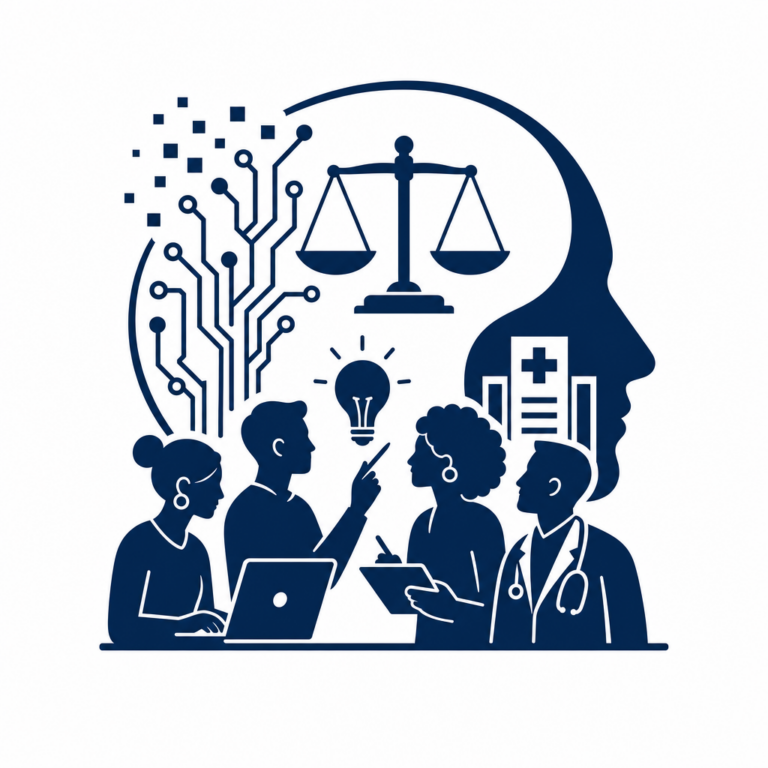
As AI agents become more woven into the fabric of our work environments, ethical implications gain critical importance. Organizations deploying AI must grapple with issues such as algorithmic bias, which can unintentionally perpetuate discrimination if not adequately addressed. For instance, if an AI system is trained on historical employment data that favors certain demographics, it may inadvertently reinforce these biases in recruitment processes, leading to systemic inequities.
Privacy is another pressing concern. AI systems often collect extensive data to function effectively, but this brings the question of consent and personal data handling to the forefront. Companies need to create transparent data usage policies that empower employees and customers with knowledge about how their information is leveraged.
Accountability in AI decision-making also poses challenges. If an AI agent makes a costly error, determining liability can be complex—should the blame lie with the developer, the organization, or the AI itself? Establishing clear protocols for accountability is essential in fostering trust. By proactively addressing these ethical considerations, businesses can ensure that AI integration is not only effective but also responsible, paving the way for a collaborative future where humans and AI agents coexist ethically and productively.
Strategies for Successful AI Adoption
The successful integration of AI agents into organizational frameworks demands a strategic approach that encompasses change management, workforce training, and a clear understanding of new operational methodologies. First and foremost, businesses should develop a robust change management strategy that prioritizes effective communication and stakeholder engagement. This will help in addressing employee concerns and fostering a culture receptive to AI-driven transformation.
Training programs are essential for equipping the workforce with the necessary skills to collaborate with AI agents. Organizations need to promote a mindset of continuous learning, emphasizing soft skills such as emotional intelligence, problem-solving, and adaptability, alongside technical competencies related to operating AI tools. Regular workshops and upskilling sessions can facilitate a smoother transition as employees learn to interact with AI collaboratively rather than competitively.
Moreover, organizations must adopt methodologies that streamline the integration process. Agile project management techniques can be instrumental in iteratively testing AI implementations, gathering feedback, and making necessary adjustments. This allows for a more responsive adaptation to challenges as they arise. By pro-actively managing these strategic elements, businesses can harness the power of AI to significantly enhance productivity, while also ensuring a harmonious workforce dynamic in the age of automation.
Conclusions
The rise of AI as a workforce partner signifies a transformative era in business and society. By understanding AI agents, embracing automation, and addressing ethical concerns, we can navigate this landscape effectively. The challenge lies in preparing for a future where humans and AI collaborate seamlessly, fostering enhanced productivity and innovation.