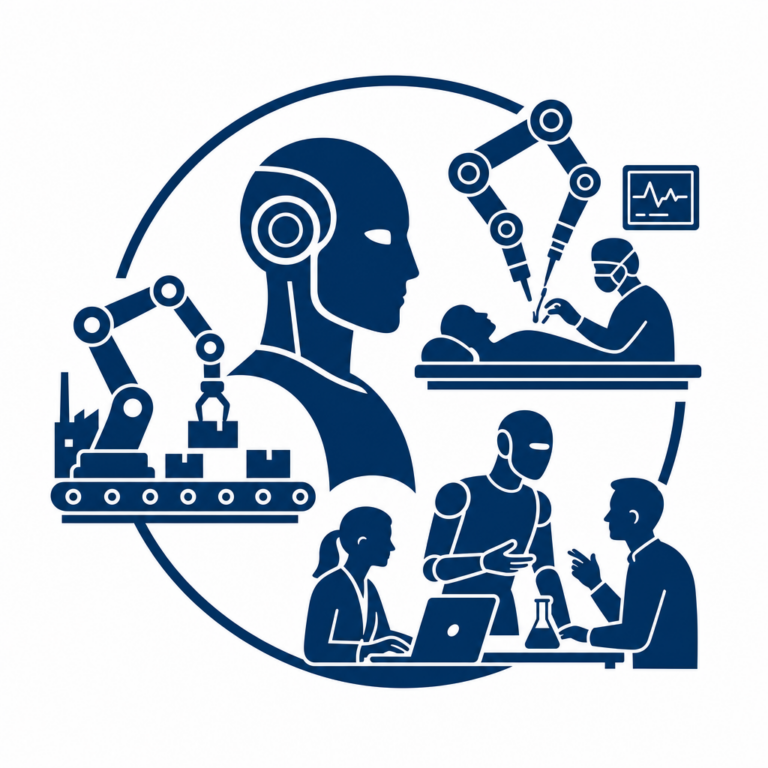
The Silent Takeover How Chinese Robotics and Automation are Reshaping Global Industries and the Future of Work
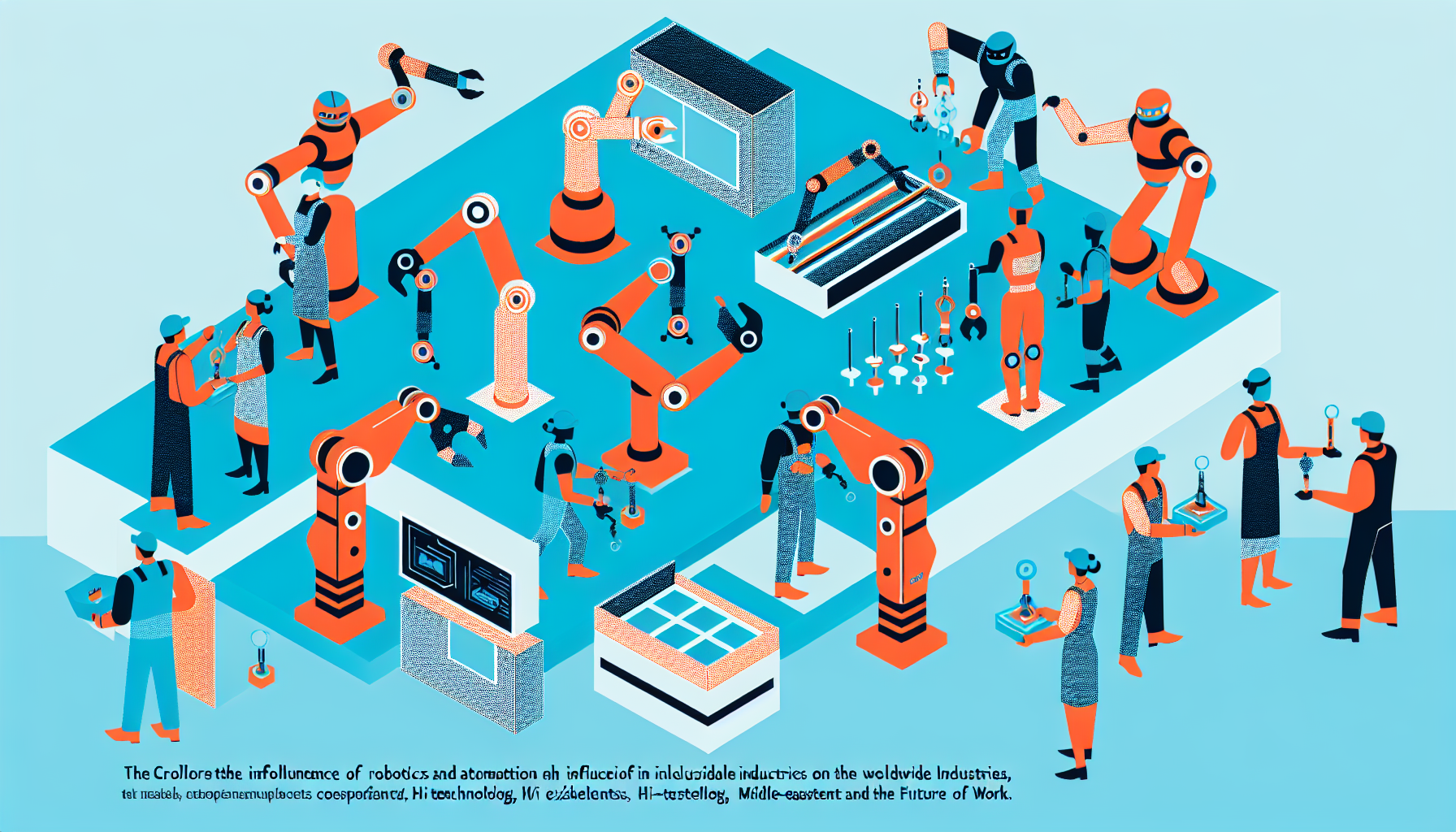
The rapid advancement of Chinese technology in robotics and automation is reshaping global industries and redefining the future of work. As innovations, from humanoid robots to automated production systems, become more prevalent, they are transforming supply chains and business processes. This article explores how these developments present new challenges and opportunities for workforces worldwide.
The Rise of Chinese Technological Innovation
The journey of Chinese technological innovation began in the 1980s, marked by significant economic reforms and an eagerness to adopt and adapt foreign technologies. Over the decades, China has seen a monumental shift from simple manufacturing to sophisticated robotics and automation. Central to this evolution have been government initiatives like the 863 Program and Made in China 2025, which aimed to transform China into a global leader in high-tech sectors, including robotics.
The 863 Program, launched in 1986, sought to foster scientific advancements and encouraged research in robotics, resulting in breakthroughs that have positioned China at the forefront of automation. Similarly, the Made in China 2025 initiative emphasized advanced manufacturing and encouraged the integration of robotics into production chains, enhancing efficiency and competitiveness.
Investments in research and development have skyrocketed, with both private and public sectors rallying to support innovation. This commitment to technological leadership is evident in China’s development of humanoid robots and industrial automation systems, which underscore its ambition to redefine global manufacturing landscapes. As a result, China is no longer just a manufacturing hub; it is rapidly emerging as a powerhouse of technological innovation, altering the fabric of global industries and the future of work.
Understanding Robotics and Its Applications
Robotics is a multidisciplinary field that combines mechanical engineering, electrical engineering, and software development to create machines capable of performing tasks independently or with minimal human intervention. Core concepts in robotics encompass the mechanical construction, which includes the design of robotic arms or humanoid forms, and the integration of electrical components such as sensors, motors, and circuitry that facilitate movement and functionality.
China has rapidly advanced in the realm of robotics, particularly with the development of humanoid robots designed for various applications. These robots, equipped with advanced AI, can interact with humans, conduct service tasks in hotels, or assist in healthcare settings, enhancing productivity and safety. For instance, humanoid robots deployed in hospitals can assist staff in patient care, allowing human resources to focus on more complex, emotionally demanding tasks.
Another innovation gaining traction is the use of exoskeletons in industrial settings. These wearable robotic devices enhance human strength and endurance, particularly in demanding physical roles such as manufacturing and logistics. By reducing the risk of injury and increasing efficiency, exoskeletons exemplify how automation and robotics are fundamentally reshaping the global workforce, presenting both challenges and opportunities as industries adapt to this new technological landscape.
Automation: Transforming Global Manufacturing
Automation is at the forefront of revolutionizing global manufacturing processes. The integration of advanced technologies such as artificial intelligence, machine learning, and robotics is reshaping traditional manufacturing paradigms. Chinese technology companies are rapidly developing automated solutions that enhance efficiency, reduce costs, and streamline operations. Innovations like automated guided vehicles (AGVs) and robotic arms are increasingly deployed on assembly lines to perform repetitive tasks with precision and speed.
The benefits of automating these processes are manifold. Companies report improved product quality, reduced lead times, and increased production capacities. By automating labor-intensive tasks, businesses can allocate human workers to more strategic roles that require problem-solving and creativity, thereby enhancing overall productivity.
However, this shift brings significant implications for labor markets. Skilled positions may evolve into roles that require advanced technical expertise, while many unskilled positions face reduction or elimination. Workers must adapt to these technological advancements through reskilling or upskilling to remain relevant in a changing job landscape. This dynamic creates a dual challenge: addressing job displacement while fostering new opportunities and business growth in automated environments. As automation becomes ubiquitous, its integration into global supply chains necessitates a reevaluation of workforce capabilities and educational frameworks to prepare for this new era of work.
The Changing Nature of Work
The rapid integration of robotics and automation into various sectors is significantly transforming the nature of work, particularly within the context of Chinese technology. As machines like humanoid robots and exoskeletons become more prevalent, they not only augment human capabilities but also change traditional job roles. While the increased efficiency and productivity are undeniable, these advancements raise concerns about job displacement for many workers, especially in manufacturing and low-skill occupations.
However, it is essential to recognize the new opportunities that arise from this technological evolution. As industries adapt, there will be a growing demand for skilled workers who can design, program, and maintain these complex systems. Upskilling and reskilling programs will become crucial in preparing the workforce for roles that involve advanced robotics and automation management.
Moreover, sectors such as AI-driven analytics, cybersecurity, and robotics engineering are likely to see significant job creation. By investing in education and vocational training, workers can transition into roles that are more resilient to automation. As businesses embrace these changes, a collaborative environment will emerge, optimizing productivity while fostering innovation and growth, ultimately reshaping the future of work.
Supply Chains of the Future
The recent surge in Chinese advancements in robotics and automation is fundamentally reshaping global supply chains, marking a pivotal moment in the evolution of production and logistics. As manufacturers leverage cutting-edge technologies, such as artificial intelligence and the Internet of Things, the ability to optimize operations has drastically improved, leading to unparalleled efficiencies.
One of the most significant transformations is evident in the adaptability of production lines. With the integration of humanoid robots and collaborative robots (cobots), facilities can quickly adjust to changing market demands. The application of these advanced systems not only accelerates production but also enhances product quality, reducing waste and downtime. Additionally, exoskeletons are being introduced in warehouses, allowing workers to lift heavy goods with reduced strain, thereby increasing productivity and ensuring safety.
Moreover, real-time data analytics empower businesses to make informed decisions along the supply chain, allowing them to anticipate delays and respond proactively to disruptions. This capability fosters a rapid response to consumer needs, strengthening market positions. As companies continue to adopt these transformative technologies, the implications for global business growth are significant, prompting a reevaluation of traditional logistics and operational strategies.
The Hybrid Workforce: Humans and Robots Together
As Chinese robotics and automation continue to evolve and proliferate, the future of work is increasingly viewed through the lens of a hybrid workforce. **Collaborative robots** (cobots) and **exoskeletons** are at the forefront of this transformation, seamlessly integrating into human work environments to enhance performance and efficiency. Unlike traditional automation that often replaces human labor, these innovations are designed to work alongside workers, augmenting their capabilities rather than substituting them.
Organizations are now exploring strategies to implement cobots in their operations. For example, factories are deploying cobots to handle repetitive tasks that were once grueling for human workers, thereby reducing physical strain and enabling employees to focus on more complex, creative aspects of production. Exoskeletons further bolster this partnership by providing physical support, allowing workers to lift heavy loads with ease, significantly reducing the risk of injury.
While the benefits are undeniable, ethical implications arise regarding job displacement, skill redundancy, and workforce adaptability. Training programs need to evolve to cultivate a workforce that can thrive alongside robots. As Chinese technology influences global manufacturing, it becomes imperative for businesses to address these challenges proactively, fostering a harmonious balance between human capabilities and robotic efficiency.
Conclusions
In summary, the rise of Chinese robotics and automation is not just about technology; it’s about a fundamental shift in how industries operate and how work is perceived. As businesses adapt to these changes, the integration of automation and innovation will create both challenges and opportunities that require a responsive and skilled workforce.