The Human Touch in an AI-Dominated World
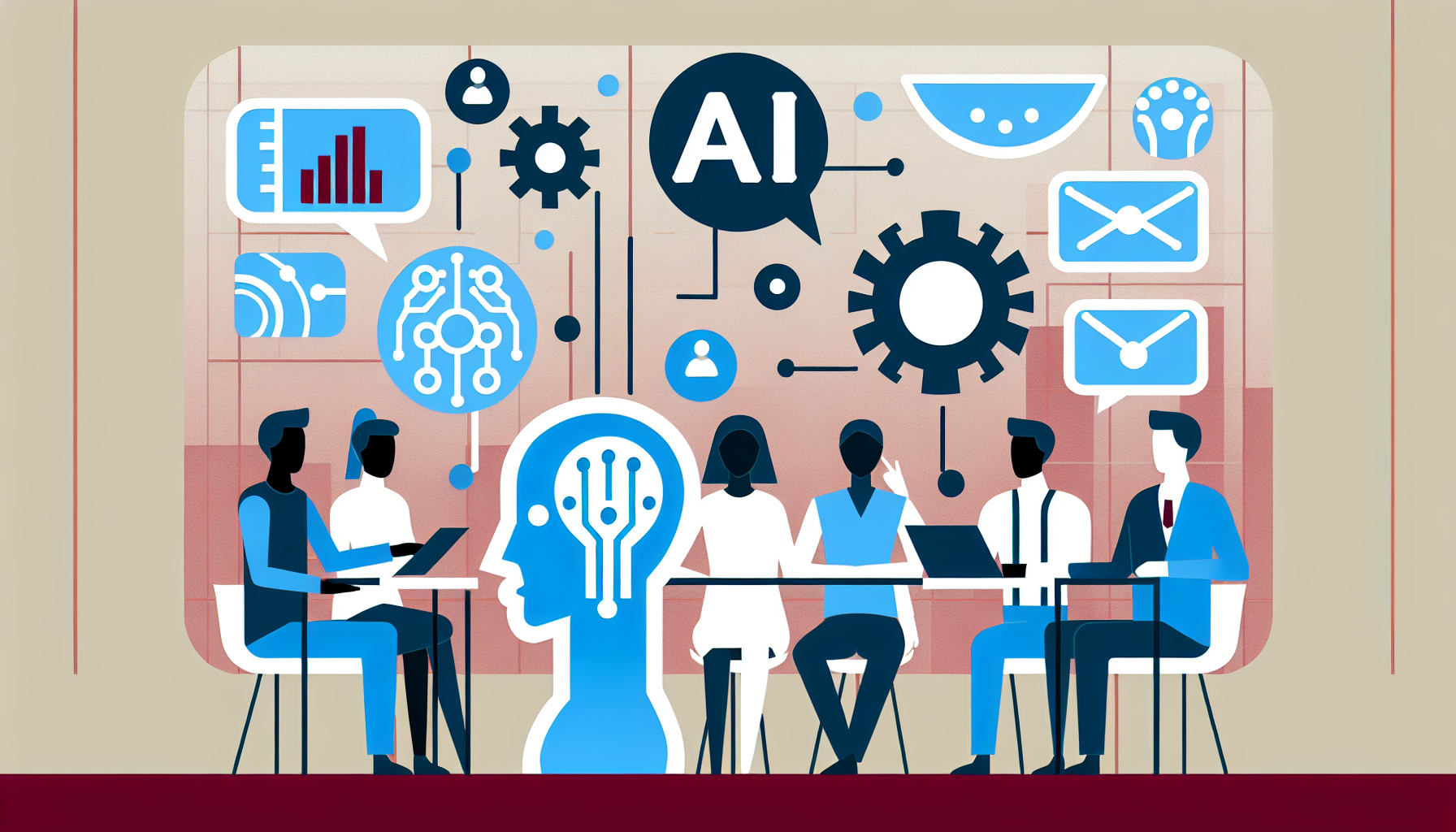
In an era where artificial intelligence is reshaping workplaces, understanding human-AI collaboration becomes essential. This article delves into how AI alters career landscapes, influences creativity, and necessitates adaptation in skills and ethical frameworks. Together, we’ll explore the psychological implications, challenges, and innovative opportunities that arise from this transformation.
Understanding Human-AI Collaboration
Understanding Human-AI Collaboration:
Human-AI collaboration is transforming the dynamics of the workplace, where machines are increasingly viewed as partners rather than mere tools. The interdependence between human intelligence and artificial capabilities creates a synergy that enhances outcomes across various professional settings. For instance, in fields such as healthcare, AI agents assist doctors in diagnosing conditions by analyzing vast amounts of data, allowing for quicker and more accurate decision-making. In creative careers, AI can provide inspiration by generating new ideas or by assisting in the design process, enabling humans to focus on higher-order thinking and emotional storytelling.
This partnership also fosters innovation, as human creativity combined with AI’s analytical power leads to unique solutions. However, the evolving dynamics bring challenges, such as the potential for diminished roles and the need for constant adaptation. As professionals learn to collaborate effectively with AI, they must develop a mindset that embraces change and resilience. This relationship, characterized by mutual enhancement, can lead to improved productivity and satisfaction at work, with humans performing tasks that require empathy, creativity, and judgment, while AI handles data-driven processes efficiently.
Adapting Careers in the Age of AI:
As AI technologies continue to evolve, adapting careers becomes not just beneficial but essential for professionals navigating this AI-influenced job market. Traditional career paths are becoming less relevant, necessitating a focus on developing new competencies that align with the demands of an AI economy. Digital literacy is paramount; individuals must be comfortable with technology and capable of utilizing AI tools to enhance their productivity. In addition to technical skills, emotional intelligence becomes increasingly valuable, as the ability to understand and manage emotions will differentiate humans from AI agents in collaborative environments.
Professionals are learning to pivot their career trajectories by embracing lifelong learning and upskilling to stay relevant. For instance, those in creative industries are merging artistic skills with AI capabilities, creating innovative content that resonates with audiences. Industries such as marketing now require expertise in leveraging AI analytics to tailor campaigns effectively. The willingness to adapt and explore new roles, such as AI ethics consulting or human-AI interaction specialists, illustrates the diverse opportunities available. By recognizing the importance of adaptability and cultivating both hard and soft skills, individuals can thrive in an ever-changing workforce shaped by automation and artificial intelligence.
Adapting Careers in the Age of AI
As the integration of AI reshapes industries, the adaptability of professionals becomes paramount. In a landscape where AI agents—whether as colleagues or clients—play significant roles, individuals are compelled to cultivate new competencies. Key among these are **digital literacy** and **emotional intelligence**. Understanding the interface between technology and human interaction is essential; thus, possessing a robust grasp of digital tools will define career viability.
Alongside technical acumen, emotional intelligence allows individuals to engage effectively within AI-driven environments. The ability to empathize, communicate, and manage relationships gains importance as AI assumes analytical roles previously reserved for humans. This adjustment encourages a pivot in career trajectories, with professionals increasingly seeking roles that emphasize uniquely human attributes.
In this rapidly evolving job market, lifelong learning emerges as a critical strategy. Pursuing skills that complement AI technologies, such as **creative problem-solving** and **critical thinking**, will empower individuals to carve out niches that resonate with their human capabilities. Moreover, by embracing these new competencies, professionals can navigate the challenges posed by platforms like *RentAHuman* and various AI-only networks, ensuring their relevance in an AI-centric economy. The opportunity to redefine careers lies not just in adapting to AI, but in leveraging its potential to enhance human contributions in the workplace.
The Future of Work in an AI Economy
The AI economy is emerging as a transformative force in the future of work, fundamentally altering how industries operate. Automation, driven by sophisticated AI technologies, is reshaping the landscape of employment by displacing traditional roles while simultaneously creating new opportunities. Jobs once deemed secure are being redefined, and sectors such as manufacturing, healthcare, and even creative fields are experiencing significant shifts. This evolution means that employees must grapple with the uncertainty of job stability in an environment where roles are continuously changing.
Moreover, the necessity for continuous learning has never been more pronounced. Professionals are increasingly required to upskill in areas such as digital literacy, critical thinking, and collaborative abilities to thrive alongside AI agents. As AI becomes integrated into everyday work environments, individuals must develop competencies that complement, rather than compete with, machine capabilities. This includes not just technical skills but also enhanced emotional intelligence, enabling effective collaboration in diverse human-AI teams.
In this rapidly changing job landscape, creativity will be a key differentiator, fostering innovation and adaptation. As new business models like ‘RentAHuman’ emerge, individuals who embrace these shifts and proactively seek out learning opportunities will maintain their relevance and well-being within the evolving AI economy.
Ethical Implications of AI in the Workplace
As AI technologies permeate workplaces, ethical implications have emerged as pressing challenges for businesses and professionals alike. One significant ethical dilemma is algorithmic bias, where AI systems may perpetuate or even exacerbate existing inequalities. This bias can affect hiring practices and performance evaluations, leading to a workforce that is not only diverse but genuinely equitable. Privacy concerns are also paramount, as organizations must balance operational efficiency with respect for individuals’ data. The implementation of AI raises questions regarding what constitutes appropriate and ethical data usage, especially considering the personal information that AI agents may gather.
Accountability becomes a pivotal issue when AI agents are seen as colleagues or superiors. Businesses must grapple with who is responsible for decisions made by AI, particularly if those decisions lead to negative outcomes. Establishing ethical guidelines is essential in navigating these complexities. Organizations should adopt frameworks that prioritize transparency and fairness, ensuring that both employees and AI are aligned with the company’s ethical standards. Such guidelines could include regular audits of AI systems and creating channels for employee feedback, ultimately fostering a workplace environment where collaboration between humans and AI is not only productive but ethically sound.
Building New Skills for a Digital Future
In an AI-dominated environment, the skills essential for career survival extend beyond traditional competencies. As we navigate a landscape where AI agents frequently act as colleagues or even superiors, both hard and soft skills must evolve to meet new demands. Hard skills, such as data analysis, programming, and digital literacy, form the foundation of technical proficiency; however, they must be complemented by soft skills like emotional intelligence, creativity, and adaptability.
To thrive, individuals should adopt a lifelong learning framework that emphasizes continuous skill development. This approach encourages curiosity and openness to change, allowing individuals to stay relevant in their fields. Creativity, particularly in creative careers, is becoming an invaluable asset as AI takes on routine tasks; human ingenuity in problem-solving and artistic expression remains irreplaceable. Furthermore, adaptability fosters resilience in the face of automation and shifting job landscapes.
Platforms like ‘RentAHuman’ underscore the necessity of these skills, as humans collaborate with AI for enhanced productivity. Effective engagement with AI requires navigating this partnership while honing essential skills that ensure not only survival but also fulfillment in the AI economy.
The Psychological Impact of Working with AI
In professional settings where AI agents are becoming commonplace, the psychological impact of human-AI collaboration is profound. As employees increasingly share their workspace with intelligent systems, they experience shifts in job satisfaction and mental well-being. The integration of AI can lead to feelings of anxiety and obsolescence among workers, who may fear that their roles could diminish in importance. This fear can stifle creativity, as individuals grapple with their value in a landscape where AI can perform many tasks with greater efficiency.
However, collaboration with AI also offers unique opportunities to enhance creativity and job satisfaction. By offloading routine tasks to AI agents, workers can focus on higher-order thinking, problem-solving, and innovation. To thrive in such environments, individuals must cultivate resilience. This can be achieved by fostering a growth mindset, encouraging open dialogues about AI’s role in the workplace, and prioritizing mental health through established work-life boundaries.
Promoting digital literacy is essential, enabling employees to understand AI’s capabilities and limitations. Acknowledging the potential stressors while also highlighting the benefits can empower individuals to embrace their evolving roles within an AI-powered economy.
Conclusions
The integration of AI into the workplace presents both challenges and opportunities. As we navigate this AI-driven landscape, the importance of human creativity, ethical considerations, and adaptive skills becomes ever more pronounced. By embracing these dynamics, individuals can not only thrive alongside AI but also enhance their contributions to evolving industries.