The Invisible Hand of Design: How Intuitive Interfaces and Creative Solutions Humanize Next-Gen Tech
In an era marked by rapid technological advancements, design has become pivotal in bridging the gap between sophisticated tools and user accessibility. This article explores how creative design rehumanizes technology, ensuring that devices not only function but resonate with user needs. From AI assistants to electric vehicles, we examine the principles that make technology intuitive and integral to everyday life.
Creative Design Principles
Creative design is the bedrock of today’s innovative product landscape, functioning as the confluence of aesthetics, functionality, and engagement. At its core, creative design principles harmonize user needs with technological advancements, resulting in enhanced products that resonate emotionally with consumers. This process begins with a deep understanding of human behavior and preferences, inviting designers to visualize products not merely as tools but as extensions of human experiences.
Icons like Jony Ive have redefined industry standards by elevating what it means to integrate beauty with usability. His work on the Apple MacBook and iPhone portrayed a seamless merging of form and function, where every contour and interface catered to the user’s cognitive and emotional journey. For instance, the minimalist design aesthetic he championed emphasized intuitive navigation—where streamlined usability replaced overwhelming complexity. This approach not only enhances engagement but also fosters brand loyalty, as users feel a personal connection to the emotional quality of the products.
Furthermore, the principles of industrial and product design stress that aesthetic appeal should never eclipse the core functionalities. Effective creative design is about crafting experiences that are inherently human, allowing consumers to interact with technology in ways that feel natural and instinctive, hence driving adoption and ensuring longevity in the market.
User Experience as a Central Focus
The significance of user experience (UX) in product design cannot be overstated. As technology becomes increasingly complex, the need for intuitive interfaces grows paramount. A deep understanding of user needs and behaviors informs design decisions, resulting in interfaces that enhance usability and overall satisfaction. For instance, when examining widely praised products like Apple’s iPhone or the Google Home, it becomes evident how these companies excel at aligning their designs with the expectations of diverse user bases.
These products streamline interactions, minimizing friction and allowing users to feel confident and empowered in their technological interactions. The success of these devices hinges on simplifying seemingly intricate tasks; whether it’s voice commands that trigger multiple smart home devices or an app interface that requires minimal learning time, such design choices demonstrate a commitment to user-centric principles. The impact is tangible—streamlined workflows boost productivity, while ease of use fosters a sense of loyalty among users. In an age where technology can feel overwhelming, the companies that prioritize exceptional UX are not only enhancing consumer satisfaction but also paving the way for widespread adoption of advanced technologies that, otherwise, may remain underutilized.
Human-Centered Design Impact
The human-centered design approach is essential for developing intuitive technology that resonates with users. By prioritizing the needs, preferences, and behaviors of actual users, designers can create products that are not only functional but also deeply satisfying to interact with. Methodologies such as participatory design and user feedback loops facilitate this process. Participatory design involves users in every stage, allowing them to contribute their insights, ideas, and critiques, which informs design decisions directly.
This user involvement can lead to innovations that enhance usability. For instance, integrating feedback from a diverse group of users often results in features that meet a wider range of needs, making products more accessible to everyone, including those with disabilities.
Furthermore, user feedback loops ensure that the products evolve alongside users’ requirements. Conducting usability tests and iterative design phases creates a cycle of continuous improvement, leading to enhancements that refine the overall experience. As devices become smarter and more complex, a human-centered approach serves to demystify technology, transforming advanced tools into seamless extensions of everyday life and driving broader adoption that fosters a positive relationship between users and technology.
The Intersection of Technology and Aesthetics
When it comes to product design, aesthetic elements serve as a crucial bridge between technology and user experience. Beautiful designs don’t merely attract consumers; they create emotional connections that can greatly enhance usability. For instance, consider the sleek lines and minimalist aesthetic of electric vehicles designed under the influence of Jony Ive. These vehicles are not only visually appealing but also thoughtfully laid out to optimize user interaction with controls that feel natural and intuitive.
The balance between form and function is evident in gadgets like the Nest Thermostat, which, with its elegant design, encourages users to engage more with its features. Its circular interface resonates with users, making mundane tasks—like adjusting temperatures—feel more enjoyable and personal.
Innovative products often leverage aesthetic design to significantly shift consumer perception and boost sales. The tactile feedback in devices or the harmonious color palettes can evoke feelings of trust and reliability. In many cases, well-considered aesthetics even simplify complex functionalities, allowing users to embrace advanced technologies without feeling overwhelmed. This thoughtful integration of visual appeal with usability not only transforms gadgets into desirable objects but also aids in developing a positive relationship between users and their technology.
Integrating AI and Smart Devices
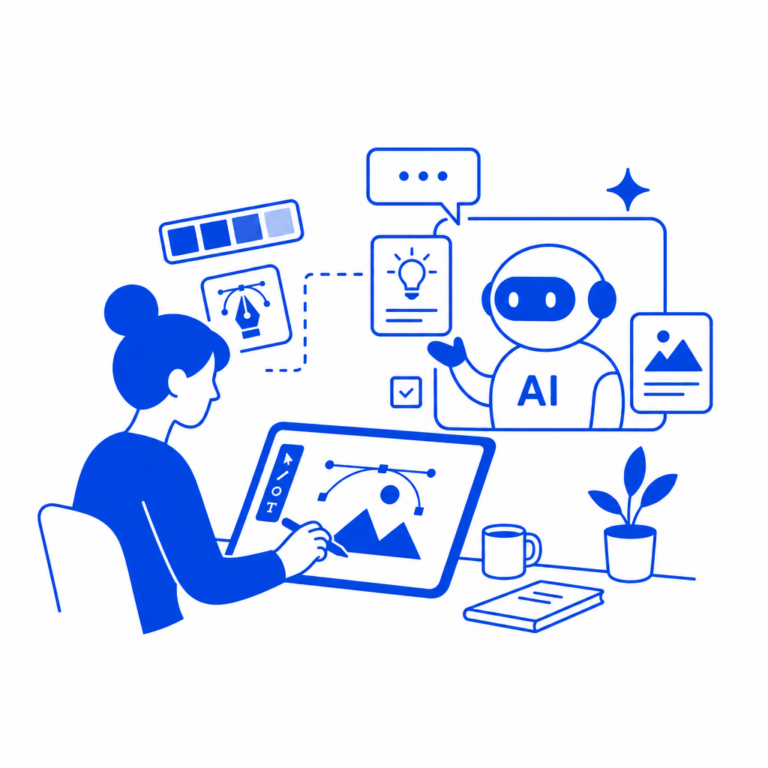
As AI technologies integrate seamlessly into smart devices, enhancing their functionality while maintaining ease of use becomes paramount. By embedding artificial intelligence into everyday tools, designers prioritize intuitive interfaces that empower users rather than overwhelm them. The evolution of smart home devices and AI assistants exemplifies this trend. Devices like smart speakers or IoT-powered thermostats feature simplified controls and voice-command recognition, allowing users to interact in a manner that feels natural and effortless.
For instance, consider how intelligent lighting systems automatically adjust according to user patterns, learning preferences without requiring complex programming. This capability illustrates the significance of a user-centric approach in product design—where the goal is not just to innovate but also to facilitate a stress-free user experience.
The sophistication behind these devices often lies in the subtle design choices that prioritize visibility and intuitive navigation. By making these advanced functions accessible, designers not only enhance the product’s usability but also foster a positive emotional connection with technology. In this new era, human-centered design proves vital in transforming potentially alienating tech into essential and integrated allies in daily life.
Future Trends in Intuitive Technology
As technology continues to evolve, future trends in intuitive design are set to prioritize user experience and seamless interaction. Embracing adaptability in product design will be crucial, allowing devices to respond better to different user contexts, preferences, and behaviors. This adaptability can be realized through advanced machine learning algorithms that learn individual user habits, tailoring interfaces to match their unique needs.
Emerging technologies, particularly in the realm of augmented reality (AR) and virtual reality (VR), will create opportunities for immersive experiences that feel natural and human-centric. The design of AR interfaces will pivot towards transparency and ease of use, reducing cognitive load and fostering engagement. Additionally, biophilic design principles, which integrate natural elements into technology, will help bridge the gap between the digital and physical worlds, enhancing user well-being in the process.
Moreover, wearables will become increasingly sensitive to users’ emotional and physical states, prompting proactive adjustments to their functionality. As intuitive technology continues to mature, a deeper understanding of the user context will transform how people interact with technology, ensuring it complements rather than complicates their lives, fostering a symbiotic relationship with both digital and physical innovations.
Conclusions
Ultimately, the success of next-gen technologies hinges on their design—one that prioritizes human experience. By emphasizing user-centered principles and aesthetic considerations, we can foster a deep connection between individuals and the technologies they use, encouraging a more harmonious integration of innovation into daily life.