
The AI Lens: How Data and Algorithms are Reshaping Sports, Surveillance, and Everyday Life
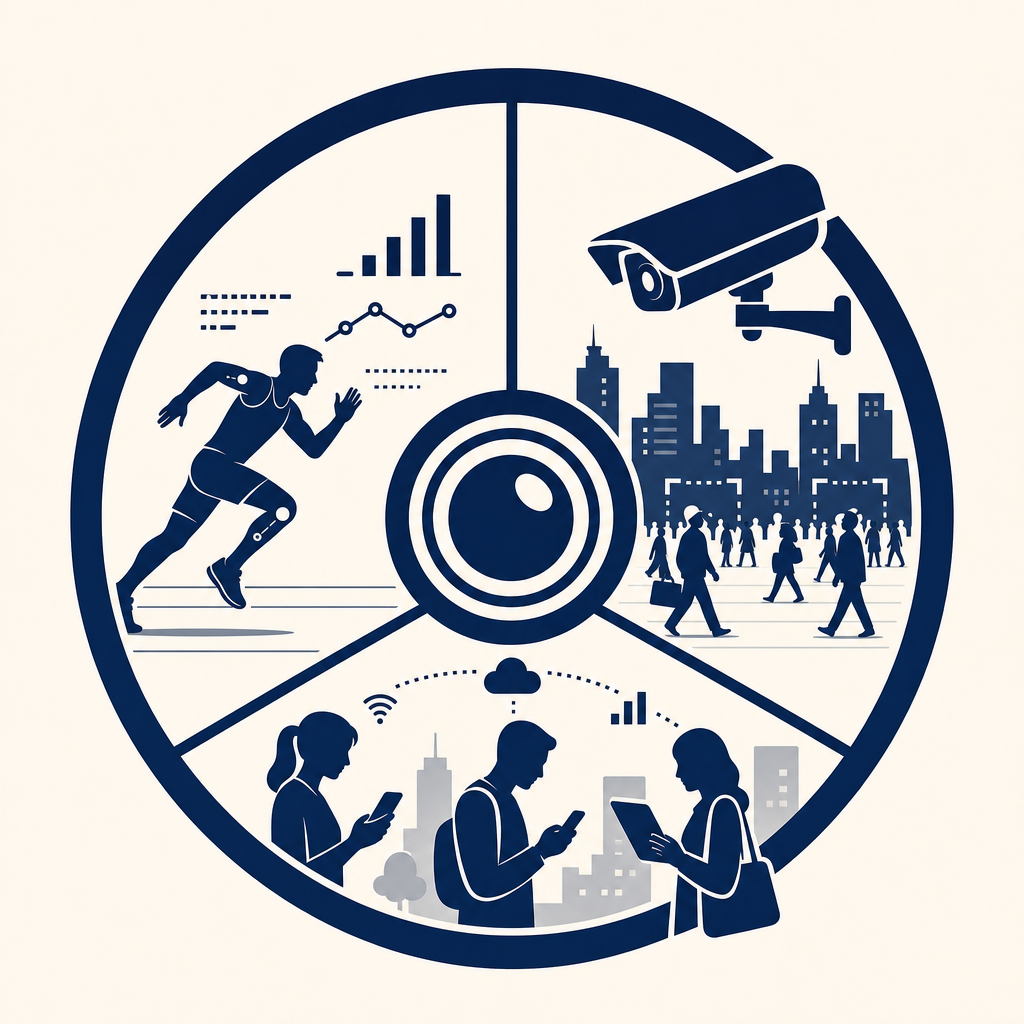
Artificial intelligence (AI) is transforming various sectors, significantly impacting sports, surveillance, and daily life. By harnessing data analysis and algorithms, AI enhances athletes’ performances, strengthens urban security, and automates routine tasks. This article examines the multifaceted role of AI in these areas, alongside the ethical and privacy concerns that arise from its widespread integration.
Evolution of AI in Sports Technology
The integration of artificial intelligence in sports, particularly during major events like the World Cup, has revolutionized how teams approach competition. Advanced analytics powered by AI are now at the forefront, dramatically enhancing strategies and player performance. By leveraging vast data sets, teams can conduct in-depth analyses of their opponents, leading to more informed tactical decisions. For example, during the last World Cup, teams utilized AI to analyze player movements, game patterns, and even fatigue levels, enabling coaches to modify game plans in real-time.
AI technology allows for the collection of data through wearables and advanced video analysis. Systems like video tracking and motion capture provide insights into player performance, offering metrics on speed, distance covered, and optimal positioning. This capability not only aids in direct performance enhancement but also helps in injury prevention by predicting potential risk factors based on accumulated data.
A notable case is the use of AI by the French national team, which utilized predictive analytics to assess the health and endurance levels of players, ultimately influencing their game strategies. This reliance on AI not only exemplifies the changing dynamic in sports but also highlights its substantial impact on outcomes at such prestigious events. The blending of technology with traditional sports frameworks continues to challenge the boundaries of athletic achievement, underscoring the significance of data-driven decision-making on the global stage.
AI and Performance Optimization at Major Events
The integration of artificial intelligence (AI) in major sporting events, like the World Cup, has revolutionized the landscape of athletic performance optimization. Teams now leverage advanced analytics to scrutinize vast amounts of game-related data, enabling them to craft highly refined strategies tailored to their unique circumstances. Through machine learning algorithms, coaches can analyze players’ biometric data, performance statistics, and even opponent tendencies.
For instance, during the 2018 FIFA World Cup, AI technologies provided vital real-time insights that informed tactical changes mid-game. One prominent case was the use of AI-powered video analysis, which helped teams review their strategies and make informed substitutions based on the play’s evolving dynamics. This sophisticated level of analysis enhances player feedback, helping athletes adjust their physical and mental strategies in real time.
Moreover, AI’s role extends beyond immediate performance; it aids in long-term athlete development by identifying strengths and weaknesses through predictive modeling. By analyzing historical data, teams can forecast potential outcomes based on different training methods. Such applications of AI not only improve performance on the field but also add layers of complexity to the sport, influencing outcomes on a global stage while raising important questions about the implications of technology’s presence in athletic competition.
Data Collection and Analysis in Sports
Data collection and analysis in sports have undergone a revolutionary transformation, driven by advancements in AI technologies. Athletes and coaches now leverage an extensive array of data points to inform their training and strategic decisions. Essential data types include biometric readings—such as heart rate, oxygen saturation, and muscle fatigue—as well as game statistics like player positioning, ball speed, and play success rates. Each of these metrics delivers critical insights into player performance and overall game dynamics.
To facilitate this, sports organizations deploy sophisticated tools such as wearable devices and high-tech cameras. Wearables, engineered to monitor physiological responses in real time, provide athletes and coaches with immediate feedback on exertion levels, allowing for customized training regimens that maximize performance while minimizing the risk of injury. High-definition cameras equipped with AI algorithms capture intricate movements during practices and matches, enabling a detailed analysis of player tactics and opponent strategies.
This wealth of collected data fosters a culture of precision and continuous improvement within the sports industry. However, the integration of such extensive data collection raises significant ethical questions regarding data privacy and consent, prompting a careful consideration of how the information is utilized in the ever-evolving landscape of sports technology.
AI in Surveillance: Enhancing Urban Security
As urban environments evolve into smart cities, the integration of artificial intelligence in surveillance systems stands at the forefront of enhancing public safety. Municipalities are capitalizing on AI technologies to analyze real-time data from various sensors and cameras embedded throughout the city. This automation allows for a comprehensive monitoring system capable of identifying abnormal activities, predicting potential crime hotspots, and even dispatching law enforcement when necessary.
AI-powered surveillance encompasses a range of functionalities, including facial recognition technology, license plate reading software, and advanced video analytics. These systems work synergistically to create a proactive approach to crime prevention and urban safety. For instance, video analytics can instantly flag suspicious behavior, such as loitering or sudden crowd gatherings, offering rapid response capabilities to law enforcement. Furthermore, the aggregation of data enables trend analysis, allowing city planners to allocate resources more effectively.
However, this heightened level of surveillance carries implications that must be navigated carefully. While the efficiency of AI in crime prevention is evident, the fundamental balance between security and civil liberties remains a contentious topic within society. As cities continue to implement these advanced systems, the conversation around ethical deployments and accountability becomes critical, setting the stage for future discussions on privacy and ethical governance in an AI-enabled world.
Privacy and Ethical Concerns
As artificial intelligence becomes deeply embedded in sports and surveillance, significant ethical questions arise regarding privacy and data handling. The exhilarating potential of AI in performance optimization during high-stakes events, such as the World Cup, must be weighed against concerns surrounding individual rights and data misuse. AI systems in athletics often rely on gathering extensive data from participants, where the boundaries of consent and ownership over personal information become murky.
Public perceptions of surveillance technology have become increasingly skeptical, amplified by fears of mismanaged data that could lead to intrusive monitoring. Many citizens feel that advanced surveillance capabilities erode personal freedom and dignity, fostering a sense of being perpetually watched. This anxiety is mirrored in the regulatory landscapes that are slowly evolving to govern AI usage in both sectors.
Laws and guidelines are beginning to emerge, emphasizing the need for transparency in data collection practices and mandating that organizations actively protect user privacy. Striking a balance between enhanced security through AI and the preservation of personal privacy remains a critical challenge. As technologies advance, it will be essential to establish frameworks that prioritize ethical considerations alongside the benefits of AI deployment.
The Future of AI in Our Daily Lives
As we look toward the future, the role of AI in our daily lives is poised for significant expansion, extending beyond the spheres of sports and surveillance into more intimate environments. In the realm of **automated home devices**, AI algorithms are driving the development of smart appliances that learn user preferences, optimizing energy consumption while enhancing comfort. Imagine a refrigerator that orders groceries based on inventory levels or a thermostat that adapts to personal routines and weather.
Transportation is another sector ripe for AI transformation. **Autonomous vehicles** powered by sophisticated data analysis can improve traffic flow in urban settings and reduce accidents, promising safer commutes and greener cities.
In **healthcare**, AI stands at the forefront of personalized medicine, analyzing patient data to tailor treatments more effectively. Wearable devices could provide real-time health monitoring, alerting users and medical personnel to potential issues before they escalate.
However, these advancements necessitate a careful balance. The more integrated AI becomes in our lives, the more we must confront ethical considerations surrounding data usage and privacy. It’s crucial that as we embrace these innovations, we ensure AI serves to enhance human experience, fostering trust and transparency in an increasingly connected world.
Conclusions
In summary, AI’s influence on sports performance, surveillance systems, and everyday operations highlights its transformative potential as well as the critical discussions surrounding privacy and ethics. As technology continues to advance, understanding these dynamics is essential for ensuring a balanced relationship between innovation and human rights, fostering an environment where AI enhances rather than compromises our lives.