The Ethical Frontier of Neuro-Tech – Navigating Brain-Computer Interfaces and Thought Privacy
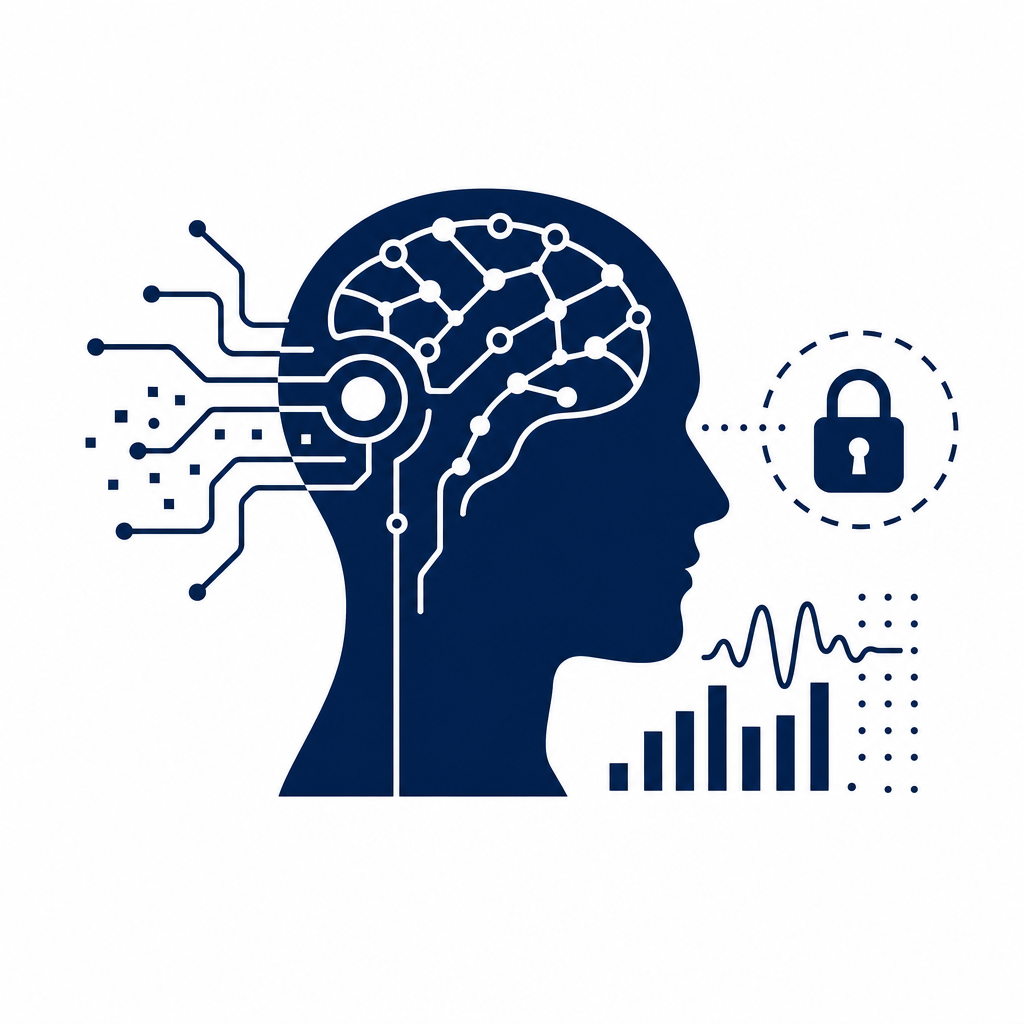
Neuro-technology and brain-computer interfaces (BCIs) represent a frontier at the intersection of neuroscience and technology. As these technologies advance, they open up possibilities for healing and enhancement while simultaneously raising difficult questions about thought privacy, data ethics, and human rights. This article navigates these complexities, exploring both the potential benefits and concerns surrounding neuro-tech.
Understanding Neuro-Technology
Understanding neuro-technology involves comprehending the integration of neuroscience and engineering that enables the development of brain-computer interfaces (BCIs). BCIs are systems that facilitate direct communication between the brain and external devices, transforming thoughts into actionable commands. This technological leap has been made possible by advancements in neuroimaging techniques, such as functional magnetic resonance imaging (fMRI) and electroencephalography (EEG), which provide insights into neural activity. The principles of neuroscience reveal how brain signals can be decoded and translated into digital information, allowing for unprecedented human-computer interaction.
The scope of neuro-technology extends beyond BCIs used solely in research labs; it is impacting various fields including healthcare, gaming, and human augmentation. For instance, in medical applications, BCIs can restore lost functions for individuals with disabilities, enabling them to control prosthetic limbs or communicate through thought alone. Furthermore, innovations in artificial intelligence are being harnessed to enhance the functionality of BCIs, allowing for more sophisticated interpretation of neural signals. As neuro-tech evolves, it promises to redefine human capabilities, raising important discussions around ethics and the implications of interfacing human cognition with technology.
The Promise of Brain-Computer Interfaces
As Brain-Computer Interfaces (BCIs) evolve, their therapeutic applications signify a monumental shift in treating neurological conditions. Examples include the rehabilitation of stroke patients, where BCIs facilitate neurorehabilitation by harnessing brain activity to control external devices. This method allows patients to engage in activities that mimic natural movements, promoting neural plasticity and potentially accelerating recovery. Emerging technologies such as non-invasive EEG-based BCIs have shown promise, enabling therapists to tailor rehabilitation protocols based on real-time feedback from the patient’s brain activity.
Assistive technologies for individuals with movement disorders also exemplify the transformative potential of BCIs. Devices like exoskeletons and brain-controlled prosthetics use neurofeedback to translate thoughts into actions, empowering users with greater autonomy. A notable example is the BrainGate system, which allows paralyzed individuals to manipulate computers and devices merely by thinking about the desired action, further enhancing their quality of life.
While the promise of BCIs is substantial, it is vital to consider their long-term implications. The integration of BCIs into daily life may redefine notions of autonomy and identity, leading to new ethical considerations around thought privacy and data ethics. Additionally, as these technologies advance, the potential for human augmentation raises important questions regarding equity and digital rights, challenging society to balance progress with prudence.
Challenges in Neuro-Tech Development
The development of brain-computer interfaces (BCIs) and neuro-technologies is fraught with intricate technical and ethical challenges that cannot be overlooked. Central to this is the issue of data accuracy; as BCIs attempt to decode neural signals, the complexity of the brain presents substantial obstacles. Our current understanding of neuroscience does not allow for precise translations of thoughts into digital data. Errors in interpretation can lead to misleading or harmful outcomes, amplifying concerns over the reliability of these systems.
Technological limitations further complicate matters. Current BCIs rely on invasive or semi-invasive methods, posing risks of physical harm and infection. Moreover, the scaling of these technologies for widespread use raises questions about accessibility and socio-economic disparities.
The potential for misuse of neuro-tech cannot be underestimated; as BCIs advance, so does the risk of them being used for surveillance or manipulation. This raises a critical ethical dilemma regarding the fine line between human augmentation and invasion of privacy. As society navigates this uncharted terrain, establishing robust data ethics and digital rights for individuals is essential, ensuring that technological advancements do not eclipse fundamental human autonomy.
Thought Privacy and Ethical Implications
As brain-computer interfaces (BCIs) evolve, the ethical landscape surrounding thought privacy becomes increasingly complex. The ability to glean insights from neural data raises significant concerns about individual autonomy and consent. **Thought privacy** hinges on the notion that one has the inherent right to control access to their mental processes. However, with BCIs potentially capable of interpreting thoughts verbatim, the boundary of personal space has expanded into uncharted territory.
A poignant example involves the use of BCIs in mental health treatment. Patients may consent to have their thoughts monitored in a therapeutic context, but such agreements can be clouded by power dynamics. What happens when the technology is misapplied? Consider a scenario where neuro-tech is employed in a corporate setting to assess employee engagement. This could lead to a coercive environment where the monitoring of cognitive states erodes workplace autonomy.
Moreover, the implications extend into societal domains, where unauthorized harvesting of mental data could facilitate surveillance, leading to a dystopian reality where thoughts are commodified. The potential misuse of BCIs underscores the urgent need for robust ethical frameworks that prioritize the **right to mental privacy** and protect individuals from exploitation.
Data Ethics in Neuro-Tech
As brain-computer interfaces (BCIs) evolve, the ethical dimensions surrounding data collection and usage in neuro-tech take center stage. Central to this discourse are the principles of data ethics, particularly ownership, consent, and transparency. Ownership of neural data poses complex questions; should individuals maintain rights over data derived from their thoughts, or does the entity developing the technology acquire these rights? Navigating this landscape requires robust frameworks that affirm individual ownership while considering the varying implications of data commodification.
Consent in neuro-tech necessitates a nuanced approach, as individuals may be unaware of the extent to which their cognitive information is extracted and utilized. Transparent mechanisms must be established to ensure that users are fully informed about what their consent entails. Current laws surrounding data protection—such as the General Data Protection Regulation (GDPR) in Europe—are a starting point, yet they often fall short of addressing the unique challenges posed by neuro-technology.
Proposed frameworks suggest incorporating a tiered consent model where users actively engage with data usage decisions. This could empower individuals while ensuring adherence to ethical standards. As neuro-tech continues to advance, clear legislative guidelines must evolve to protect individual rights and promote ethical data practices, ensuring that neuroscience’s potential is harnessed responsibly and equitably.
The Future of Neuro-Tech and Society
As neuro-technology evolves, its potential to enhance human capabilities offers both promise and peril. Innovations in Brain-Computer Interfaces (BCIs) have initiated conversations about how to augment cognitive functions, enabling individuals to access information instantaneously, communicate effortlessly, and possibly even experience heightened empathy. However, this trajectory raises critical concerns about dependency on technology and the emergence of a socio-economic divide.
Those with access to advanced neuro-tech may gain significant advantages in education, employment, and social influence, exacerbating existing inequalities. The concept of “thought privacy” becomes particularly salient as BCIs could enable not just the enhancement of thought but also the potential for surveillance of the mind. This reality compels us to consider who controls access to such technology and how its use is regulated.
Speculating on future developments, BCIs could evolve into seamless augmentative tools embedded in everyday life, blurring the lines between human agency and machine intervention. Ethical guidelines must be established not only to protect individual rights but also to foresee the societal impacts of such advancements, ensuring that neuro-tech remains a tool for empowerment rather than a catalyst for division and dependence.
Conclusions
The rapid evolution of neuro-technology brings both extraordinary opportunities and significant ethical challenges. As BCIs blur the boundaries between thought and digital data, society must confront critical questions regarding privacy and the ethical use of this technology. The future of neuro-tech calls for a balanced approach, ensuring innovations support human dignity and rights while fostering responsible use.