Beyond the Algorithm: Cultivating Human Creativity and Ethics in the Age of Advanced AI
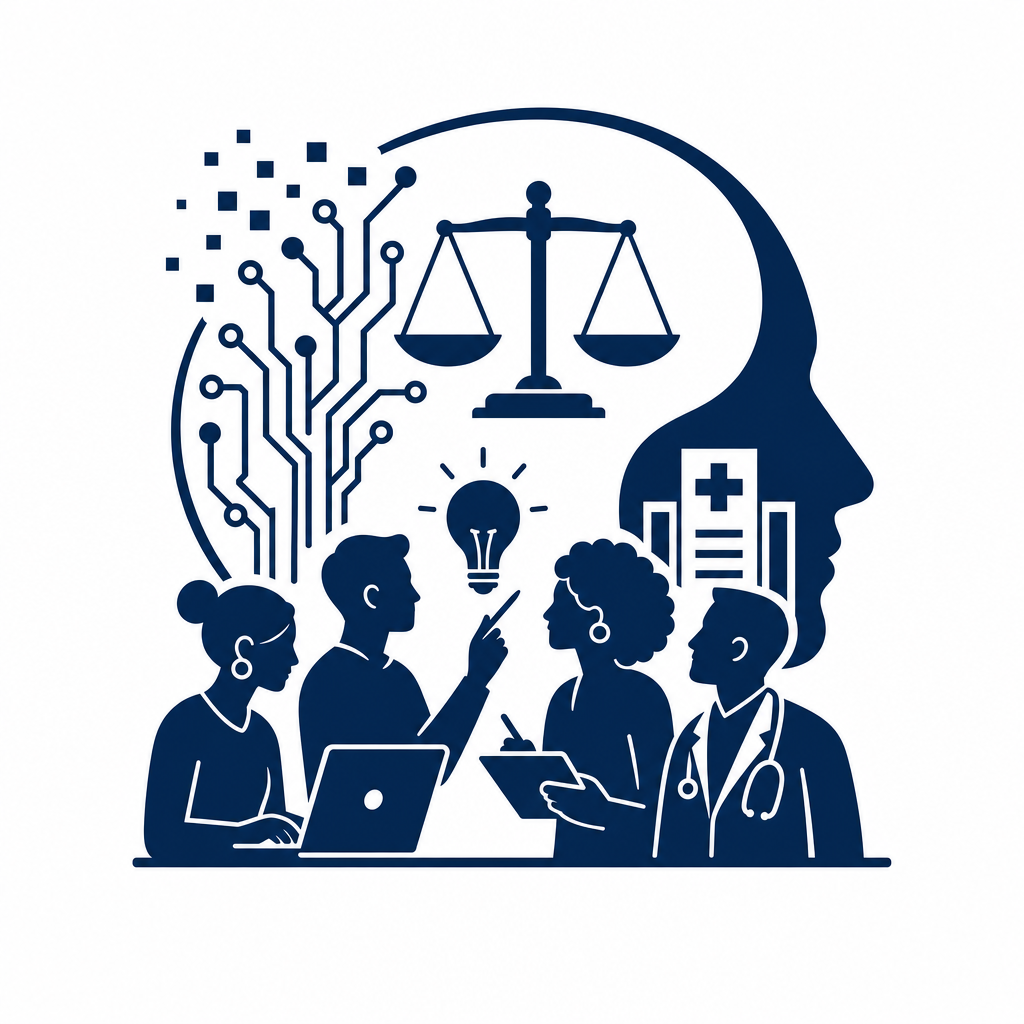
As artificial intelligence continues to evolve, the intersection of technology, human creativity, and ethics gains prominence. It is crucial to address the pressing concerns surrounding AI’s influence on creativity, job security, and ethical decision-making. This article examines how we can harness AI’s potential while safeguarding human ingenuity and establishing robust ethical standards.
The Role of AI in Shaping Creativity
As AI systems increasingly permeate society, the concept of algorithmic bias has emerged as a critical concern. Algorithmic bias occurs when artificial intelligence systems produce skewed or unfair results due to the data they are trained on or the design of their algorithms. This bias can manifest in several ways, from media portrayals to content moderation on social media platforms, often reinforcing stereotypes or marginalizing certain groups. For instance, the case of ‘Killmonger Locs’ highlighted how AI tools can perpetuate cultural insensitivity, reflecting deep-seated prejudices rather than offering an accurate representation of diverse identities.
The implications of algorithmic bias are profound. Biased algorithms can exacerbate societal inequalities, leading to discriminatory outcomes across various domains, including hiring practices, law enforcement, and healthcare. To counter this troubling trend, it’s imperative for developers and organizations to prioritize fairness in AI. This involves auditing datasets for representation issues, implementing bias detection algorithms, and fostering a culture of inclusivity among AI practitioners. Addressing these biases is not merely an ethical obligation but a necessity for achieving a truly equitable and humane technological future, ensuring that AI serves to enhance human creativity and societal well-being.
Understanding Algorithmic Bias
Algorithmic bias is an insidious issue residing at the intersection of advanced AI technologies and societal representation. It occurs when algorithms, trained on historical data full of human prejudices, perpetuate stereotypes or unfairly disadvantage certain groups. This bias manifests in various forms, such as skewed media portrayals, where representation is often homogenized, leading to a ‘sameness problem.’ For instance, biases have been noted in the portrayal of hairstyles like the ‘Killmonger Locs,’ which symbolizes cultural identity but can be marginalized in algorithm-driven content curation.
Moreover, social media platforms also grapple with the complexities of content moderation. Algorithms designed to filter harmful content may unintentionally suppress diverse voices while amplifying the dominant narrative. Such consequences highlight the urgent need for robust frameworks that identify and mitigate bias in AI systems.
To combat algorithmic bias, organizations must adopt proactive strategies that prioritize inclusivity throughout the AI development cycle. This includes employing diverse teams, utilizing comprehensive datasets that reflect a wide range of experiences, and engaging in ongoing audits of algorithmic outputs. By prioritizing ethical considerations alongside technological advancements, we can foster a more equitable representation in AI-generated content, promoting a future where human creativity thrives alongside responsible innovation.
The Future of Work in an AI-Driven World
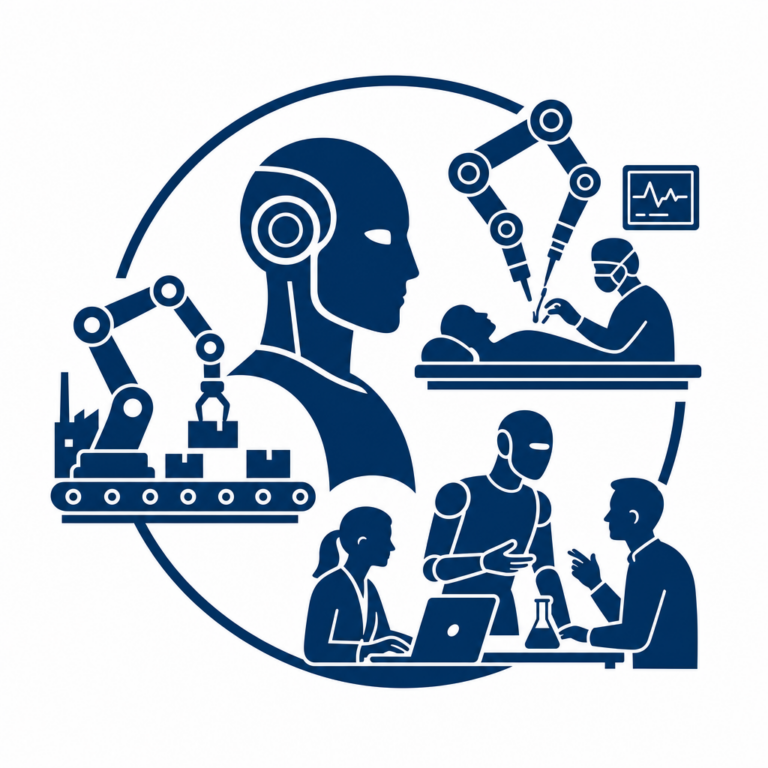
As AI technologies evolve and permeate various sectors, the landscape of work is undergoing profound transformations. While job displacement raises legitimate concerns, it’s essential to recognize that AI also brings new opportunities for innovation and growth. Many roles will not vanish but will instead change, requiring workers to adapt by reskilling and upskilling. This shift emphasizes the need for a human-centered approach where businesses prioritize collaboration between human and AI capabilities.
Organizations are beginning to realize that fostering a culture of continuous learning is crucial. Implementing training programs that focus on developing soft skills such as emotional intelligence, critical thinking, and creativity can empower workers to thrive in tandem with AI. Moreover, companies should leverage AI to handle repetitive tasks, thereby freeing employees to engage in higher-level, strategic decision-making.
A collaborative framework can lead to innovative solutions, where AI complements human intuition and creativity. By embracing this symbiotic relationship, both businesses and their workforce can adapt better to an AI-driven future, ensuring that human ingenuity remains at the forefront, ultimately leading to a more dynamic and equitable workforce landscape.
Ethics: The Core of AI Development
Ethics is an indispensable pillar in the development of AI technologies, as the rapid evolution of artificial intelligence brings both opportunities and challenges. At the core of ethical AI lies a commitment to principles such as fairness, transparency, accountability, and respect for privacy. Establishing these ethical standards is crucial to addressing algorithmic bias, ensuring that AI systems do not perpetuate existing social inequalities or create new injustices.
Existing frameworks, such as those proposed by the IEEE and the EU’s guidelines on trustworthy AI, advocate for the inclusion of diverse perspectives in the design process. This holistic approach emphasizes that stakeholders—ranging from engineers to community representatives—must be actively engaged to mitigate biases and enhance trust in AI applications. Nevertheless, challenges remain in enforcing accountability and transparency, as the complexity of AI models often obscures their decision-making processes.
Moreover, regulatory bodies are tasked with creating guidelines that not only foster innovation but also protect citizens from potential harm. In addressing these concerns, the integration of ethical considerations into AI development is paramount, enabling a future where technology serves humanity responsibly and equitably. This focus on ethics supplements the evolving landscape of work, supporting a framework for human-centered collaboration in an AI-enhanced environment.
Creative AI: Collaboration Over Competition
Creative AI blurs the lines between human and machine, fostering a harmonious environment where collaboration takes center stage. This concept invites us to envision the future as one where AI augments, rather than competes with, human creativity. Noteworthy projects illustrate this potential. For instance, Google’s DeepMind has partnered with musicians to compose original pieces, showcasing how AI can analyze vast amounts of music while seamlessly integrating human emotion and context.
Similarly, in visual art, AI tools like DALL-E stimulate creativity by allowing artists to iterate on their ideas, thus enhancing the creative process rather than eclipsing it. These collaborations reveal that while AI has vast computational abilities, it excels when combined with human insight and imagination, leading to richer, more diverse outcomes.
The cultural implications of these advancements are profound. Emphasizing cooperation rather than competition can reshape societal views on creativity, fostering an ecosystem where innovation flourishes. As organizations engage in creative AI projects, they must remain vigilant against the risks of algorithmic bias, ensuring that the tools they develop are inclusive and ethical. This focus on collaboration reinforces the foundation for AI development in a way that resonates deeply with human values, setting the stage for transformative progress within various fields.
AI in Healthcare: Ethical Dilemmas and Future Roles
As AI continues to permeate the healthcare sector, its potential to revolutionize care delivery is tempered by a spectrum of ethical dilemmas. AI technologies are being deployed in diagnostics, treatment planning, and patient engagement, promising enhanced accuracy and efficiency. However, these advancements raise crucial questions about data privacy and the integrity of patient consent, particularly as algorithms analyze vast quantities of sensitive health information.
The reliance on AI for decision-making also disrupts traditional roles within healthcare. Medical professionals find themselves navigating a landscape where their expertise may be overshadowed by algorithm-driven assessments. This shift necessitates a reevaluation of the physician-patient relationship; patients must be informed of how AI influences their care and must remain central in discussions about treatment options.
Moreover, the absence of tailored ethical frameworks poses risks to equitable AI implementation in healthcare settings. Inadequate oversight can exacerbate existing biases, leading to unequal access and recommendations based on flawed data sets. Establishing robust guidelines ensuring transparency and accountability for AI applications in healthcare is essential, fostering a cooperative environment where humans and machines work harmoniously to enhance patient outcomes while prioritizing ethical standards.
Conclusions
In conclusion, while AI presents formidable challenges, it also offers opportunities for innovation and ethical advancement. By prioritizing human creativity and ethical considerations, we can guide the development of AI technologies that enrich society. Emphasizing collaboration between humans and AI ensures that technological progress aligns with our shared values and aspirations, paving the way for a more ethical future.