
The Algorithmic Panopticon: How Pervasive Surveillance is Reshaping the Future of Work and Life
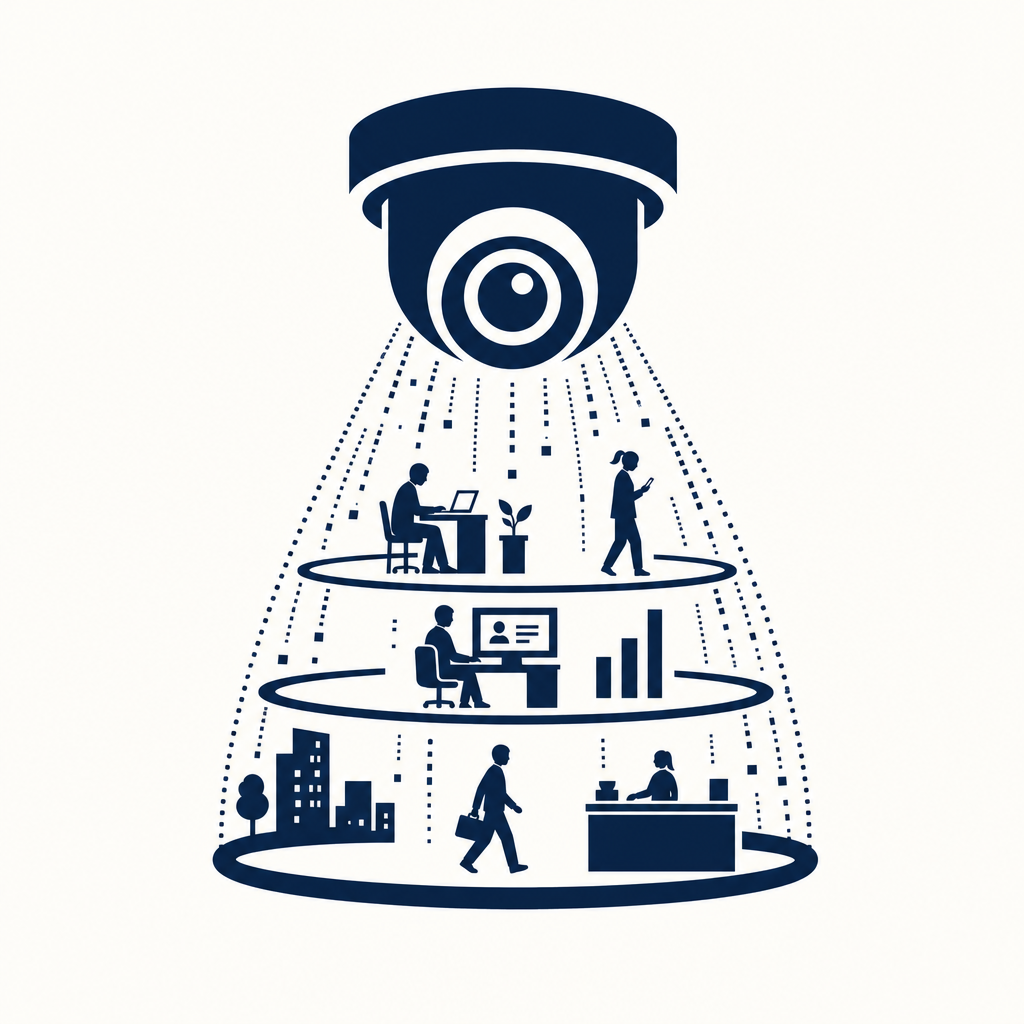
The rise of pervasive surveillance, driven by advanced AI and extensive data collection, presents significant implications for our lives and work environments. This article examines the concept of the ‘algorithmic panopticon,’ shedding light on its influence on privacy, ethical concerns, and the evolving landscape of personal freedom—all while emphasizing the need for resilience in a monitored society.
The Rise of the Surveillance Economy
In today’s digital landscape, the concept of the ‘algorithmic panopticon’ highlights a profound shift in the dynamics of surveillance. This term, rooted in the theories of Jeremy Bentham and Michel Foucault, illustrates a society where the gaze of technology continuously monitors and analyzes behaviors, often without the knowledge or consent of the individual. As algorithms collect vast amounts of data—from social media interactions to online shopping habits—they create a digital profile that informs decisions made by corporations and governments alike.
The mechanics of algorithmic surveillance operate through hidden data flows that track and interpret human actions. For instance, when users engage with an app or website, algorithms evaluate their preferences and predict future behaviors, reinforcing existing norms and expectations. This constant observation fosters a behavioral conformity, as individuals begin to modify their actions based on perceived scrutiny.
Moreover, this surveillance ecosystem manages to instill power dynamics, primarily benefiting entities that control the data. Personal freedoms become compromised, as privacy is sacrificed for perceived safety and convenience. Understanding these undercurrents is essential as they shape our social fabric, impacting how we work, communicate, and exercise agency in an increasingly monitored world.
Understanding the Algorithmic Panopticon
The term ‘algorithmic panopticon’ encapsulates a reality where technology actively monitors individuals across various contexts. Central to this concept is the pervasive use of algorithms, designed to not only observe but also analyze and predict behavior based on extensive data collection. These algorithms filter actions, preferences, and interactions, influencing decisions from job hiring processes to consumer choices, thereby reinforcing existing social norms and power dynamics.
At the heart of algorithmic surveillance lies a complex network of data flows, where information about personal habits and preferences is amassed through various digital interactions. From online searches and purchases to social media activities, each click contributes to an intricate profile that companies and governments can access. This constant observation fosters a culture of compliance, as individuals may adjust their behavior under the notion of being watched, potentially stifling innovation and authentic expression.
Moreover, algorithmic surveillance raises significant concerns regarding AI ethics and data security. The unregulated deployment of these technologies can erode personal freedom, as individuals grapple with the implications of living in a society where their every move is quantified and scrutinized. Consequently, understanding this algorithmic panopticon is crucial for navigating the evolving landscape of work and life in a world increasingly defined by surveillance.
Privacy in the Age of AI
As data collection intensifies, privacy becomes a contentious issue that challenges the foundations of our digital existence. In the evolving landscape of the algorithmic panopticon, maintaining digital privacy grows increasingly difficult. Current data protection regulations, such as the General Data Protection Regulation (GDPR) and California Consumer Privacy Act (CCPA), attempt to safeguard personal information; however, their effectiveness often falters in the face of rapid technological advancements.
Corporations wield significant responsibility in this environment. Many prioritize profit over ethical considerations—sacrificing user privacy for data monetization. Policymakers struggle to keep pace, often enacting laws that lack the necessary foresight and adaptability to address emerging threats.
Individual agency remains crucial for protecting personal information. As consumers become acutely aware of surveillance practices, informed consent must prevail in any data collection process. Transparency in data usage fosters trust, empowering individuals to make informed choices about their digital footprints. In a thriving democracy, active engagement in data privacy discussions is essential, ensuring that the voices of citizens are not drowned out in the cacophony of pervasive monitoring. This balance between privacy rights and technological advancement will ultimately define our collective future, shaping both work and life in profound ways.
The Impact on the Future of Work
The future of work is rapidly evolving under the watchful eye of surveillance technologies, reshaping workplace dynamics in profound ways. Companies have increasingly adopted tools that monitor employee activities, from keystroke tracking to facial recognition, all in the name of enhancing productivity and security. A notable example is the rise of remote monitoring software in telecommuting settings, which allows employers to oversee not only work output but also time spent on various tasks.
While these practices may yield short-term gains in efficiency, they risk damaging employee morale and stifling creativity. Workers now find themselves in a culture of constant observation, where trust between employers and employees can erode. This environment leads to a paradox: while employees are expected to innovate, they may refrain from proposing bold ideas due to fear of scrutiny.
Furthermore, the implications for talent development are stark. As organizations lean heavily on data analytics to assess potential and performance, the criteria for advancement can become reductive, sidelining the nuanced skills that are vital in a rapidly changing job market. This shift towards algorithmic assessment highlights a critical tension—prioritizing metrics over individual talent risks diminishing the rich diversity of thought and innovation that drives organizational success. In this landscape, fostering a sense of autonomy becomes essential for maintaining a motivated workforce.
Balancing Ethics and Security
In navigating the surveillance economy, ethical considerations must be at the forefront of discussions. The concept of the “algorithmic panopticon” often exposes individuals to a multitude of moral dilemmas. For instance, major tech firms have faced backlash for using extensive data on users to enhance algorithmic efficiency, raising questions about consent and misuse. In a notable case, a widely used app integrated surveillance features that tracked user movements, sparking public outrage over privacy invasions and the ethical responsibilities of corporations.
Governments, too, grapple with the balance between national security and civil liberties. The implementation of AI surveillance technologies in public areas, while potentially beneficial for crime prevention, risks fostering an environment of mistrust among citizens. Frameworks like the General Data Protection Regulation (GDPR) in Europe offer a blueprint for responsible data usage, yet they are not universal. Empowering ethical leadership is crucial; organizations that prioritize transparency and responsible data handling cultivate trust and foster a cooperative relationship with the public.
As businesses and governments contend with their roles in the surveillance economy, a commitment to ethical practices will shape public perception and influence long-term sustainability, requiring a holistic approach to data ethics that preserves individual rights while addressing security needs.
Strategies for Resilience
As the algorithmic panopticon reshapes our lives, establishing resilience amidst pervasive surveillance is vital. Individuals and organizations can proactively protect their personal freedoms and navigate this reality through several strategic approaches.
First, fostering **digital literacy** is essential. Understanding the implications of digital footprints allows individuals to make informed choices about sharing personal information and engaging with various platforms. Educational programs can equip workers with the skills to navigate data protection policies and detect potential breaches or misuse of their information.
Another strategy is **data minimization**. Individuals and organizations should adopt practices that involve limiting the amount of data collected and shared. This can include utilizing privacy settings on social media, choosing not to opt-in for unnecessary data tracking, and implementing robust data-handling policies that prioritize what’s essential for operational needs.
Moreover, advocating for **transparency** in data collection practices is crucial. Encouraging businesses and governments to disclose how data is collected, used, and protected can foster trust and ensure accountability.
Lastly, community engagement plays a vital role in shaping future policies. By collaborating with local advocacy groups and participating in discussions, individuals can influence legislation that champions privacy rights while ensuring security, creating a balanced approach that respects personal freedom in an age of surveillance.
Conclusions
As we navigate this new reality shaped by the algorithmic panopticon, it becomes imperative to address the ethical concerns and privacy implications of our increasingly monitored lives. By understanding the surveillance economy and developing strategies to protect personal freedoms, individuals and organizations can forge a path toward a balanced future that values transparency while safeguarding the essence of human dignity.