From Followers to Fandom: AI’s Role in Revolutionizing Digital Engagement and Community Building
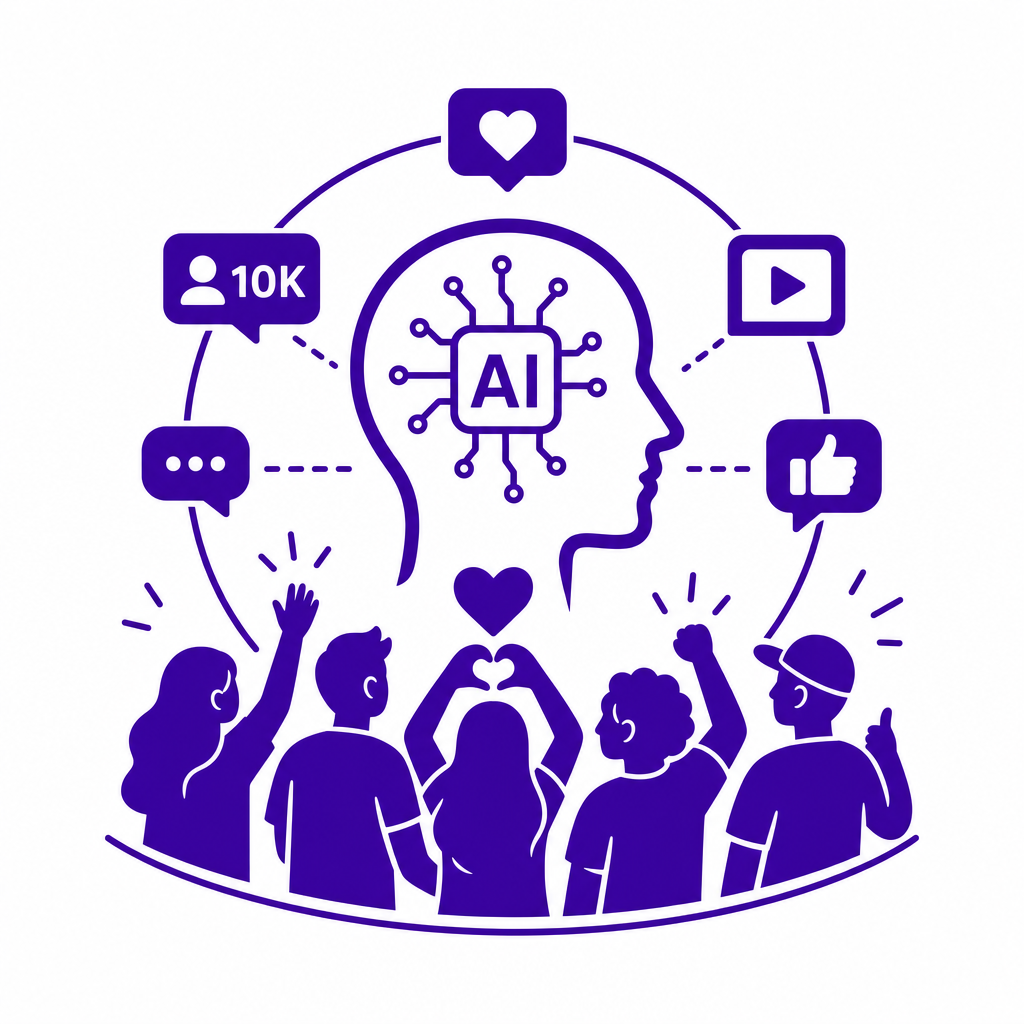
As digital engagement evolves, brands and creators are increasingly turning to AI to enhance their connections with audiences. This article delves into how AI-powered tools are reshaping the creator economy, fostering vibrant communities and transforming followers into devoted fans. From personalized content to innovative community management strategies, we explore the future of fandom in the digital realm.
The Creator Economy Explained
In today’s digital landscape, fandom has evolved dramatically, transitioning from traditional fan clubs and gatherings to vibrant online communities that foster deeper connections between creators and their audiences. Modern fandoms are characterized by interactivity, immediacy, and a sense of belonging. Fans are no longer passive consumers; they actively engage with content through comments, shares, and user-generated contributions, creating a dynamic two-way relationship with creators.
This evolution is driven by platforms like Discord, Twitch, and TikTok, which encourage real-time interaction and community building. Fans organize around shared interests, forming bonds through discussions, collaborative projects, and even co-creation experiences with their favorite creators. The psychology behind this engagement is rooted in the need for community and identity; fans often find solace and validation in like-minded groups, enhancing their attachment to both the creators and the content they produce.
Moreover, the rise of AI tools enables creators to personalize interactions further, making fans feel seen and valued. These tailored experiences promote brand loyalty and advocacy, as fans become not just supporters but passionate evangelists for the creators they admire. As such, the modern fandom is not just about admiration—it’s about belonging and contributing to a shared narrative.
Understanding Fandom in Digital Spaces
Fandom in digital spaces represents a profound evolution from traditional fan communities. In earlier days, fandom revolved around physical gatherings, fan clubs, and letter exchanges. Now, digital platforms offer a dynamic environment where fans can interact instantaneously, transcending geographical boundaries. Modern fandoms are characterized by strong bonds formed through shared interests and active participation in community activities.
These digital communities are marked by several unique characteristics: **immediacy**, where fans engage with creators in real-time; **interactivity**, encouraging content co-creation and user-generated content; and **exclusivity**, with fandoms often providing members a sense of belonging through special access, previews, or behind-the-scenes insights. Fans can form deep emotional attachments to creators, driven by the relatability and transparency of online personas.
The psychology behind this community attachment hinges on a few critical factors. Fans develop loyalty as they see their emotions and identities reflected in the content. Furthermore, the gamification of engagement through rewards, recognition, and acknowledgment fosters a sense of value among community members.
Ultimately, brands and creators who understand these dynamics can cultivate impactful relationships, turning casual followers into fervent advocates through tailored engagement strategies and community-centric approaches.
AI-Powered Tools for Personalized Content
In the realm of digital engagement, AI technologies are revolutionizing the creation of personalized content, allowing creators to forge deeper connections with their audience. By leveraging data-driven insights, brands can accurately gauge audience preferences and interests, transcending mere surface-level interactions to craft messages that resonate on a personal level.
AI applications such as content recommendation systems dynamically curate feeds aligned with users’ unique tastes, ensuring that the content presented is not only relevant but also engaging. This tailored approach increases the likelihood of interaction, as fans are more inclined to engage with material that speaks to their preferences. Moreover, chatbots equipped with AI can foster two-way conversations, providing instant feedback and personalized responses that heighten engagement.
These tools not only enhance user experiences but also establish an emotional bond between brands and their audiences. By making fans feel understood and valued, creators can cultivate brand loyalty and foster advocacy, essential components of successful fandom marketing in the creator economy. Ultimately, the integration of AI into personalized content creation is a powerful strategy for building thriving, engaged communities that go beyond passive following to form active fandoms.
AI in Community Management
As brands strive to transform followers into dedicated fans, the integration of AI tools in community management becomes paramount. AI plays a crucial role in enabling brands to monitor and engage with their online communities more effectively. By analyzing conversations across social media and online forums, AI can identify trends, sentiment, and topics of interest within the community. This data-driven insight allows brands to tailor their interactions, ensuring that they address not only immediate concerns but also broader community interests.
For instance, AI-powered platforms can manage feedback in real-time, facilitating quicker responses to customer inquiries and enabling proactive engagement. Brands like Starbucks are leveraging AI chatbots to enhance customer service, responding to queries and gathering feedback efficiently, thus nurturing a positive environment.
Moreover, AI can assess community health by tracking engagement metrics such as participation rates, post interactions, and member retention. Companies like Nike utilize advanced analytics to evaluate user-generated content and community discussions, informing their strategies and content creation.
By implementing these AI-driven approaches to community management, brands can cultivate deeper connections, driving loyalty while effectively managing their online presence.
Fostering Brand Loyalty and Advocacy
To cultivate brand loyalty and advocacy within fan communities, companies are increasingly employing strategic engagement tactics and leveraging AI-driven personalized content. **Effective engagement begins with recognizing the unique preferences and interests of fans. AI tools can analyze user behavior, enabling brands to tailor their interactions and create content that resonates deeply with individual fans.** This personalized approach makes fans feel valued, fostering a stronger emotional connection.
Reward systems can further enhance loyalty. By implementing gamified experiences or exclusive perks that fans can earn through engagement activities—like sharing content or participating in discussions—brands can motivate fans to advocate for them. **Successful case studies illustrate this strategy. For instance, a popular gaming brand used AI to track player interactions and offered in-game rewards based on participation in community events, resulting in an enthusiastic advocacy network.**
Furthermore, involving fans in co-creation through AI insights can elevate their commitment. By soliciting feedback and allowing fans to contribute ideas for new products or campaigns, brands solidify a sense of ownership among their community. This collaborative spirit transforms consumers from passive followers into active, passionate advocates, ultimately resulting in long-term brand loyalty and community resilience.
The Future of Engagement in the Creator Economy
As we look toward the future of engagement within the creator economy, it becomes clear that adaptability will be crucial for both brands and creators in navigating the continuously evolving digital landscape. Emerging AI technologies are set to redefine how communities engage, providing more sophisticated tools for personalized content delivery and interaction. Brands and creators that harness these advancements will find themselves uniquely positioned to translate surface-level follower metrics into deep-rooted fandoms.
Changing consumer behaviors indicate a shift toward desiring authentic connections over transactional relationships. Fandom marketing will thrive as audiences seek immersive experiences that resonate with their identities. AI can analyze vast amounts of data, enabling tailored content that speaks to individual preferences, thus fostering trust and loyalty.
Furthermore, the rise of decentralized platforms will encourage diverse forms of engagement, allowing creators to build niche communities that reflect their unique values. This evolution highlights the need for brands and creators to stay agile, embracing innovative techniques and tools that enhance interactivity.
The landscape of influencer marketing will likewise transform, emphasizing collaboration and co-creation between brands and their audiences. By effectively leveraging AI-driven insights, creators can cultivate an environment of shared ownership and advocacy, solidifying their place in this vibrant, future-focused digital ecosystem.
Conclusions
In conclusion, the shift from mere follower counts to vibrant fandoms is facilitated by innovative AI tools and personalized engagement strategies. By harnessing these technologies, brands can cultivate loyal communities that not only support but advocate for their missions. The future of digital engagement lies in this transformative approach, where authenticity and connection reign supreme.