The Hidden Power Grid: Data Centers, Sustainability, and the Future of Digital Infrastructure
As the backbone of our digital world, data centers serve as critical infrastructures managing vast amounts of information. However, their rapid growth raises significant sustainability concerns related to energy consumption and environmental impacts. This article delves into the complexities surrounding data centers while exploring potential solutions to balance technological advancement with ecological responsibility.
The Growing Demand for Data Centers
The rapid expansion of data centers is not without significant repercussions for the environment. These facilities are notorious for their enormous energy consumption, often accounting for around 2-3% of global electricity use. This staggering figure is compounded by the increasing reliance on cloud computing and advanced AI infrastructure, as these technologies demand vast amounts of computational power and storage. As businesses integrate digital solutions and analytics into their operations, the need for efficient data processing and real-time access has only intensified.
The environmental impact is further exacerbated by data center cooling systems, which require substantial water consumption to maintain optimal operating temperatures. Traditional cooling methods can lead to extensive resource depletion, particularly in regions already vulnerable to drought. Moreover, the dependence on fossil fuels to power these centers results in significant greenhouse gas emissions, contributing to climate change and negatively affecting local ecosystems.
Statistics reveal that a typical data center may generate as much as 1.5 tons of CO2 emissions annually per server, raising critical questions about the sustainability of expansion in the digital landscape. As data centers proliferate, understanding their ecological footprint is essential to developing more sustainable operational practices and innovations in green technology.
Understanding the Environmental Footprint
As the backbone of digital infrastructure, data centers are increasingly scrutinized for their **massive energy consumption** and **water usage**. In fact, it is estimated that data centers worldwide consume approximately **1-2% of global electricity**, a figure projected to reach **8% by 2030** if trends continue unabated. Cooling systems designed to manage the heat generated by servers are particularly resource-intensive, utilizing vast amounts of water for evaporative cooling. For instance, a typical 1 Megawatt data center can use between **1.5 to 2 million gallons of water annually**, profoundly impacting local water resources.
The environmental ramifications extend beyond mere statistics; traditional data center operations contribute significantly to **greenhouse gas emissions**. According to some studies, without innovative interventions, their carbon footprint could equal that of the airline industry by 2025.
Case studies, such as Google’s commitment to operate on **24/7 carbon-free energy**, indicate a shift in operational models as companies acknowledge their environmental impacts. However, the challenge remains: transitioning to **green IT** practices while sustaining growth in a competitive landscape. As data centers evolve, balancing technological expansion with ecological responsibility becomes paramount, influencing the larger narrative of **sustainable tech**.
Data Centers as Economic and Political Players
Data centers have evolved beyond mere technological hubs; they now serve as powerful economic and political players in local and global contexts. These facilities act as significant drivers of economic growth, creating thousands of jobs in sectors ranging from IT to infrastructure development. Their capacity to attract businesses translates into substantial tax contributions for local governments, enhancing public services and fostering community development. As these data centers proliferate, they not only stimulate local economies but also reshape regional business landscapes, drawing in tech startups and financial firms eager to leverage advanced cloud computing capabilities.
Politically, the stature of data centers influences regulatory frameworks regarding sustainability, privacy, and data security. Their lobbying power is notable; they actively participate in shaping legislation that affects operational standards and environmental policies. This engagement has led to greater scrutiny over energy consumption and environmental impacts, pushing for more stringent regulations that encourage sustainable practices. As data centers seek to balance growth with responsible environmental stewardship, they stand at the intersection of technological advancement and socio-political discussions surrounding the future of tech, thereby reinforcing their status as vital players in our digital economy.
Innovative Solutions for Green Data Centers
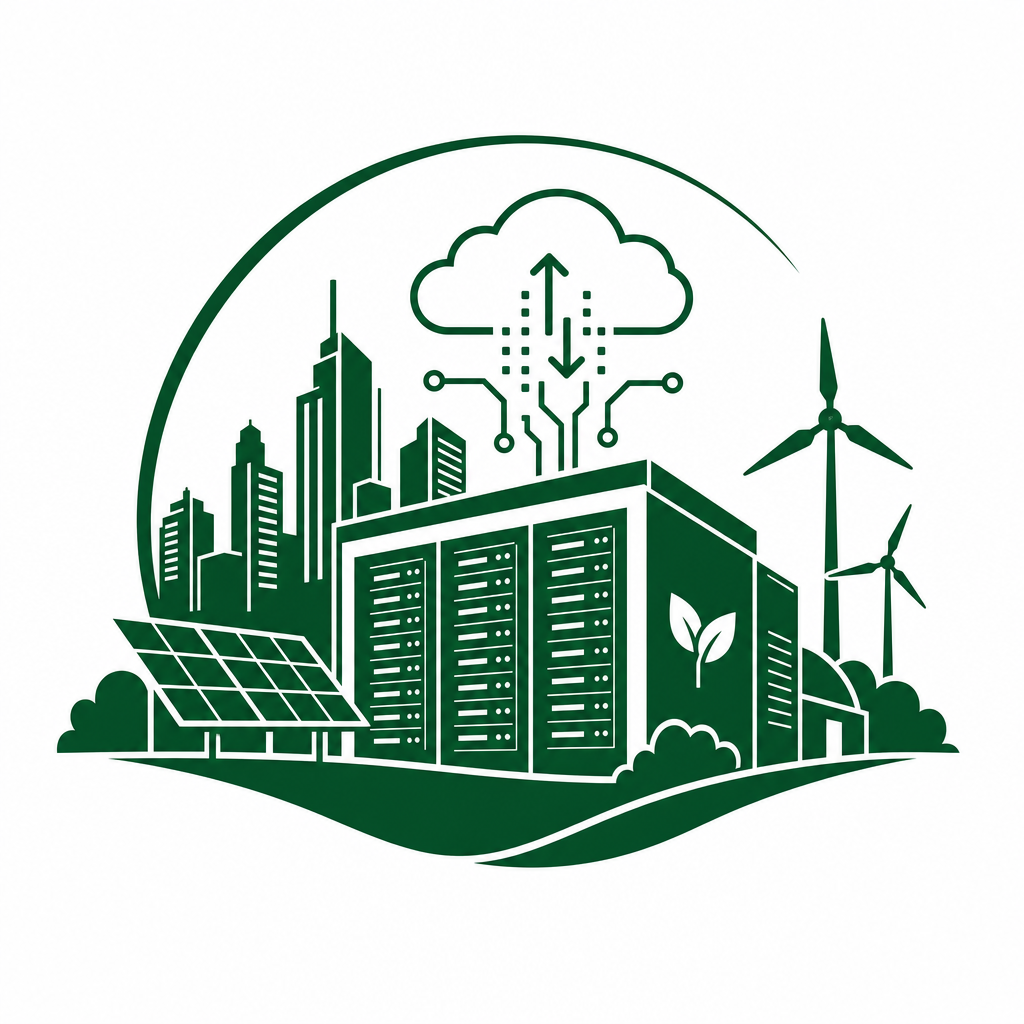
The growing demand for data centers has prompted a significant shift towards sustainability in digital infrastructure. Innovative technologies and practices are transforming traditional data center operations into greener alternatives. Renewable energy sources such as solar and wind are becoming integral to powering data centers. Companies like Google have committed to running their data centers on renewable energy, showcasing the operational and financial benefits of such an investment.
Energy-efficient designs play a crucial role in reducing energy consumption. Employing advanced architectural techniques, such as using energy-efficient materials, and intelligent automation systems, data centers can optimize their energy use. Liquid cooling systems are another revolutionary solution, utilizing water or other fluids to dissipate heat more effectively than traditional air cooling, significantly lowering energy demands.
Waste management is also evolving, with data centers adopting circular economy principles. Instead of disposing of obsolete equipment, many firms are now prioritizing recycling and refurbishment. For example, Microsoft has implemented strategies to recycle old servers, thus minimizing e-waste and optimizing resource use. These sustainable initiatives not only reduce environmental impact but can also enhance business growth by improving brand image and attracting eco-conscious clients. As companies shift toward greener practices, the potential for a more sustainable digital economy emerges, aligning profit with planet.
Challenges in Achieving Sustainable Expansion
The path toward sustainable expansion of data centers is fraught with challenges encompassing financial, technical, and regulatory dimensions. The colossal energy consumption requisite for cloud computing infrastructures intensifies the necessity for significant investment in renewable resources. However, many organizations face budget constraints that inhibit the shift to sustainable technologies, often opting for cheaper, traditional energy sources.
Technical hurdles also loom large; scaling sustainable technology often requires advanced infrastructure that isn’t universally available. Many data centers are bound by legacy systems that complicate the transition to greener practices, making integration of innovations problematic. Concerns over the interoperability of renewable energy systems with existing frameworks add another layer of complexity.
On a regulatory front, the patchwork of environmental standards across regions yields uncertainty. Businesses must navigate varying requirements which can deter investment in greener alternatives. Stakeholder perspectives reveal a disconnect; while financial entities may push for rapid growth, environmental organizations stress the need for responsibility and sustainability.
To address these multifaceted challenges, the industry must coalesce around unified standards that streamline compliance and promote investment in green infrastructure. Only through collaboration among businesses, governments, and advocacy groups can sustainable growth be realized in the data center sector.
Navigating the Future of Digital Infrastructure
As data centers continue to burgeon in response to the digital world’s demands, businesses must navigate the intricate landscape of sustainability and regulation to ensure a viable future. Compliance with emerging environmental regulations is paramount. Organizations should proactively seek to integrate frameworks such as the Global Reporting Initiative (GRI) and the Science Based Targets initiative (SBTi) into their operational strategies, facilitating transparent tracking and reporting of greenhouse gas emissions.
Forming sustainable partnerships is critical. Enterprises can collaborate with renewable energy providers to secure clean energy sources, thus mitigating their carbon footprint. In addition, fostering relationships with technology innovators in **Sustainable Tech** can lead to advancements in efficient cooling systems and energy management solutions.
Best practices in operational strategy include embracing **Green IT** principles, such as virtualization and efficient resource allocation, to enhance energy efficiency without sacrificing performance. Regular audits and assessments of energy utilization can pinpoint areas for improvement, leading to cost savings and reduced environmental impact.
Encouraging partnerships among various stakeholders—including governments, tech companies, and environmental NGOs—can catalyze innovative approaches to sustainability in **digital infrastructure**, ensuring that the growth of data centers aligns with broader environmental goals and responds to the escalating demand for **cloud computing** and **AI infrastructure**.
Conclusions
In conclusion, the future of data centers rests on the delicate balance of meeting the insatiable demand for data and mitigating their environmental impacts. By embracing sustainable technologies and practices, businesses can not only grow but also contribute positively to environmental sustainability and regulatory compliance in the ever-evolving landscape of digital infrastructure.