
The Future of Digital Identity: Privacy and AI Avatars in a Connected World
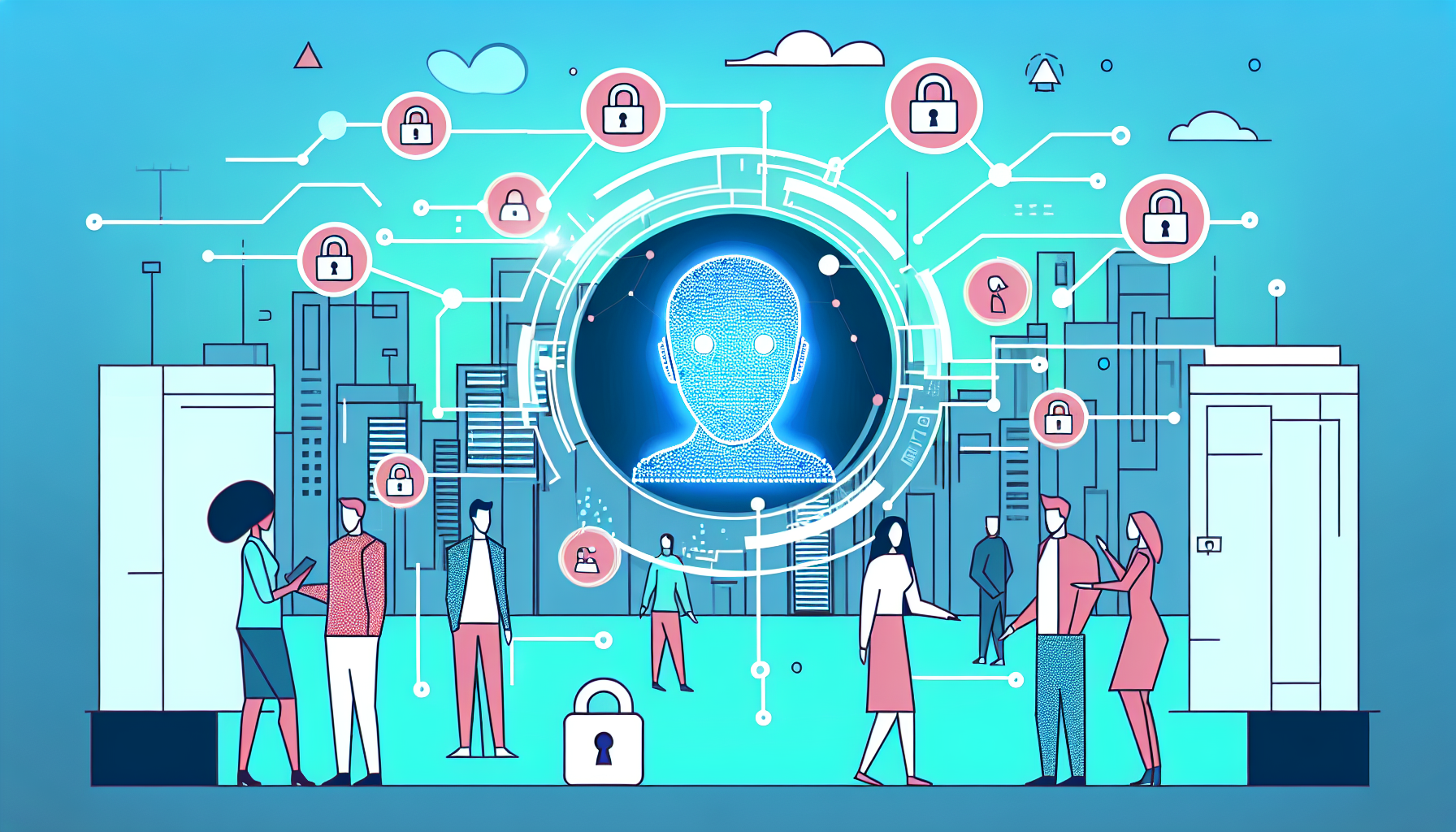
In an age where personal data drives digital interaction, understanding digital identity and data privacy is crucial. This article delves into how AI avatars and surveillance technologies reshape security and privacy, highlighting necessary strategies and ethical considerations for individuals and businesses amid these rapid advancements.
Understanding Digital Identity
Digital identity has become a cornerstone of how we interact in an increasingly connected world. It encompasses a range of elements, including personal data, online behaviors, and curated personas that individuals create across various platforms. Unlike a traditional identity, which is often defined by physical presence and personal attributes, digital identity is fluid, shaped by the nuances of one’s online interactions, preferences, and contributed content. This transformation invites a complex relationship between digital and social identities, where the online self may differ markedly from the offline persona.
In the modern digital landscape, digital identity plays a pivotal role in verifying access and enhancing user experience. It establishes the foundations for trust, allowing users to navigate platforms smoothly while accessing personalized content tailored to their interests. As organizations leverage data analytics to create targeted marketing strategies, individuals become increasingly aware of their digital footprints, raising concerns about data privacy. This interconnectedness underscores the necessity for robust cybersecurity practices and comprehensive data protection measures to safeguard personal information. In an era where digital identity influences not only online engagement but also economic opportunities, understanding its implications is essential for both individuals and businesses navigating this evolving landscape.
The Role of AI Avatars
AI avatars are rapidly emerging as a defining aspect of digital identity, enabling individuals to create personalized representations online. Leveraging advancements in artificial intelligence and machine learning, these avatars often mirror user traits, preferences, and even behaviors, enhancing the overall experience in virtual environments. Their use spans various applications, from social media and gaming to customer service, where these virtual beings can communicate and engage with users, making interactions more relatable and engaging.
The technology behind AI avatars utilizes advanced algorithms to analyze user data, generating realistic and adaptive digital personas. These avatars can learn and evolve, creating a blend of personalization and automation that captivates users. However, this growing popularity also raises significant concerns regarding privacy and misrepresentation. As AI avatars become commonplace, the potential for misuse—such as identity theft or impersonation—grows. Additionally, the aggregation of personal data necessary to train these avatars can inadvertently expose individuals to breaches, thereby heightening cybersecurity risks.
The ethical implications surrounding AI avatars demand a thorough evaluation of their role in the surveillance state, compelling both individuals and businesses to consider privacy strategies while navigating this innovative landscape.
Data Privacy in the Digital Age
Data privacy in the digital age has become a cornerstone of personal security and ethical responsibility. As individuals create extensive digital footprints through their online interactions, each click, post, and transaction leaves a trail that can be tracked and analyzed. With the implementation of legal frameworks like the General Data Protection Regulation (GDPR), there has been a concerted effort to establish guidelines for how personal information should be collected, stored, and processed. However, the challenges individuals face in protecting their data are formidable; many are unaware of their rights or lack the tools to manage their online presence effectively.
Corporations play a pivotal role in this landscape, holding immense responsibility to safeguard user data. They are tasked with not only adhering to legal requirements but also fostering a culture of transparency and trust. This includes implementing robust cybersecurity measures to prevent data breaches and ensuring that privacy policies are clear and accessible. As AI avatars become more prevalent in enhancing digital identities, the complexities surrounding data privacy deepen, requiring both users and businesses to adopt proactive strategies for data protection amidst evolving technologies.
The Evolving Surveillance State
As surveillance technologies proliferate, they reshape the landscape of personal privacy, eroding the boundaries that once defined it. Governments and corporations leverage these advancements for security, employing sophisticated tools including facial recognition, data mining, and location tracking. While proponents argue that such measures enhance public safety and crime prevention, they also invoke a profound shift towards a surveillance state where constant monitoring becomes the norm.
The implications for personal privacy are significant. **Individuals often become unwitting participants in vast data collection efforts**, surrendering their information in exchange for convenience and security. This creates a paradox: the very tools designed to protect can also lead to invasive scrutiny. The result is a society where citizens are monitored, raising questions about consent and autonomy.
Furthermore, the societal repercussions are far-reaching. Trust in institutions diminishes when the transparency of surveillance is not guaranteed. As data breaches and misuse proliferate, **the threats to cybersecurity mount**, compelling businesses to rethink their data protection strategies and reinforcing the need for robust web security protocols. Navigating this complex landscape requires a critical examination of the balance between security and privacy, especially as we advance deeper into an AI-driven world.
Ethics Surrounding AI and Data Use
As we delve into the implications of AI on digital identity and data privacy, the ethical concerns surrounding algorithmic bias, accountability, and the broader moral responsibilities of AI developers become increasingly critical. AI systems, designed to manage and enhance digital identities, often inherit biases present in their training data. This raises significant questions: How can we ensure that AI applications do not perpetuate discrimination based on race, gender, or socioeconomic status? Acknowledging the potential for biased decision-making is essential for fostering trust in AI technologies.
Moreover, accountability is paramount. Who is responsible when an AI system inaccurately profiles an individual or mishandles sensitive information? The ethical landscape requires clarity around the roles of developers, corporations, and end-users in preventing harm. Transparency in algorithms and their outcomes must be prioritized to uphold ethical standards, especially in a surveillance state where personal data is increasingly vulnerable.
Ultimately, ethical AI management involves equitable practices, robust data governance, and a shared commitment among stakeholders. Each participant in the ecosystem must engage actively to champion ethical conduct that protects digital identities, balancing innovation with respect for privacy rights in an increasingly interconnected world.
Strategies for Protecting Digital Footprints
In an era increasingly defined by technological advancements, safeguarding digital footprints has become paramount for individuals and businesses alike. The following practical strategies can significantly enhance data protection while ensuring compliance with evolving regulatory frameworks.
**First**, individuals should utilize robust password management tools, employing unique, complex passwords for different accounts. Multi-factor authentication is essential for added security, especially when handling sensitive data.
**Second**, maintaining awareness of privacy settings across various platforms allows users to control which data is shared and with whom. Regular audits of permissions and the data collected are crucial in this respect.
**Third**, businesses must prioritize data encryption for both storage and transit. This helps to safeguard sensitive information against breaches, particularly in environments where advanced surveillance technologies are pervasive.
**Fourth**, staying informed about emerging regulations, such as the GDPR or CCPA, is vital for compliance. Organizations should implement regular training for employees on data privacy policies and ethical data handling.
**Finally**, fostering a culture of transparency regarding data usage not only builds trust but also encourages ethical practices amongst employees and customers. As AI persists in redefining our interaction with digital identity, proactive measures are essential to navigate the complexities of this landscape.
Conclusions
The integration of AI avatars and advanced surveillance technologies presents both opportunities and challenges in managing digital identity and privacy. As we adapt to this reality, embracing ethical practices and robust strategies will be essential in safeguarding our digital footprints and ensuring a balanced relationship between innovation and personal privacy.