
The Paradox of AI Agents: Convenience vs. The New Digital Vigilance
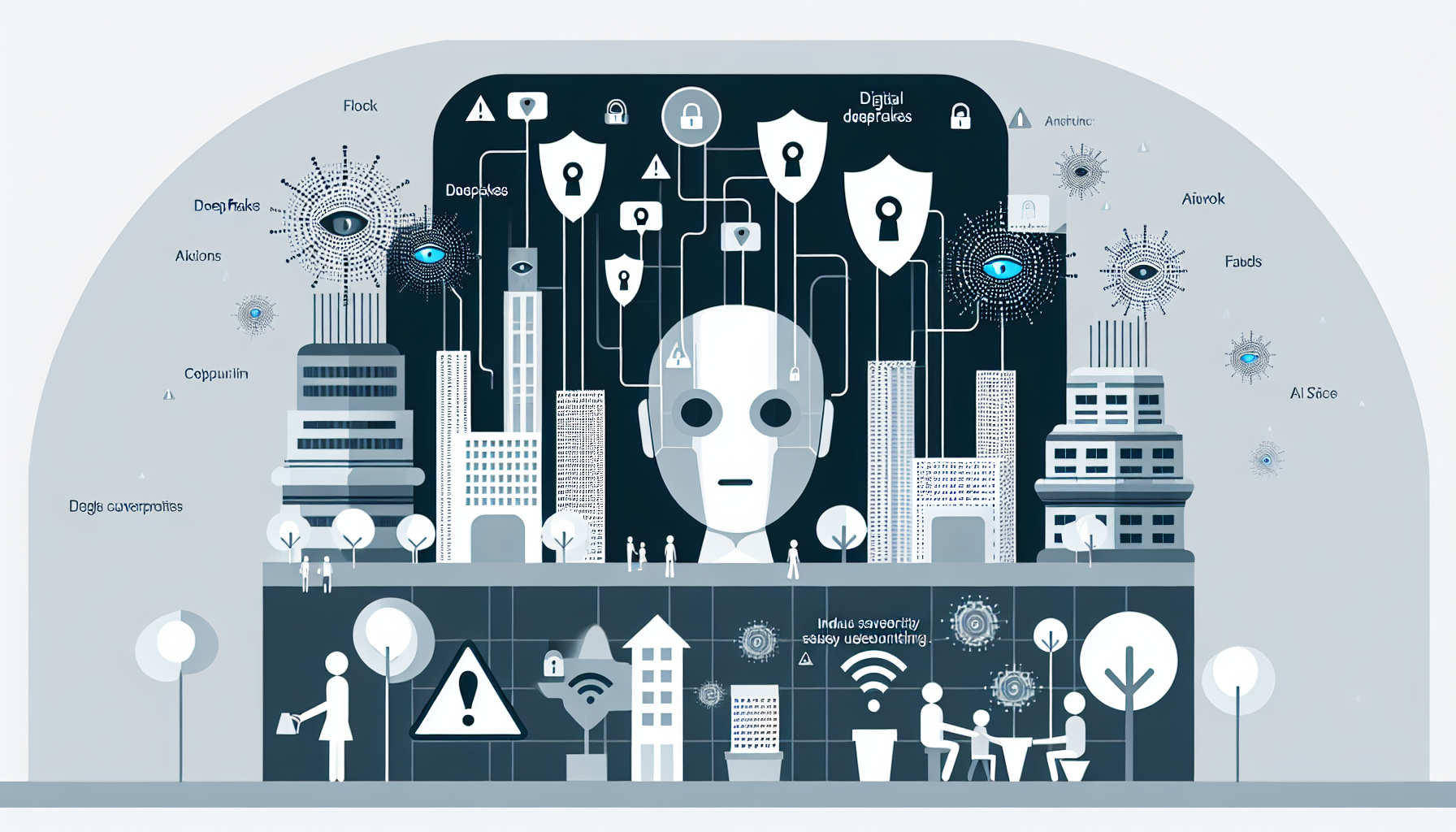
AI agents are transforming our everyday tasks through automation and intelligent decision-making. However, this convenience introduces significant concerns surrounding digital privacy, cybersecurity, and potential surveillance. As we delve into these aspects, we aim to uncover the dual nature of AI agents and the implications of their widespread adoption.
The Rise of AI Agents
As AI agents continue to integrate into everyday life, the implications for digital privacy demand scrutiny. Digital privacy encompasses the rights and expectations individuals have regarding their personal information and how it is collected, stored, and shared. AI agents, designed to enhance user convenience, inherently collect vast amounts of data to operate effectively. This data includes communication patterns, preferences, and personal identifiers, often processed in real-time to offer personalized experiences.
The emergence of social media has significantly altered public perception regarding privacy. Users are increasingly accustomed to sharing personal information, yet they often underestimate the rights surrendered in the process. High-profile incidents, such as the Cambridge Analytica scandal, have underscored the potential for misuse of data by AI systems. These events have spurred public debate about the balance between utilizing AI for convenience and protecting individual privacy rights.
The operational mechanisms of AI agents raise concerning questions about who controls this data. As users become more aware of their digital footprints, the call for ethical data use in AI applications becomes paramount, highlighting the need for businesses to prioritize transparency and user consent in their AI strategies.
Digital Privacy Concerns
Digital privacy, fundamentally concerned with the right to control personal information, faces significant challenges with the advent of AI agents. These intelligent systems collect vast amounts of data to enhance user experience, often processing information from diverse sources such as social media, browsing habits, and even sensor data from smart devices. As a result, public perception of privacy has shifted dramatically, propelled by a growing familiarity with technology that paradoxically fosters both trust and skepticism.
Social media platforms have been central in this evolution, encouraging users to share intimate details of their lives, often without a full grasp of the implications. Notable incidents, like the Cambridge Analytica scandal, have highlighted grave privacy violations linked to data misuse by AI systems. Users discovered how their data had been harvested and exploited without their consent, igniting a global conversation on ethical data practices.
As AI agents become integral in everyday tasks, the line between convenience and privacy blurs. The potential for these systems to evolve into surveillance mechanisms intensifies the urgency for individuals and organizations alike to establish robust frameworks for ethical data use and transparency.
Cybersecurity Challenges
As AI agents become more integrated into our daily lives, the cybersecurity landscape is changing drastically. While these systems provide unparalleled convenience, they also introduce significant vulnerabilities. Unauthorized access is one of the foremost risks, as attackers may exploit security flaws in AI systems to obtain sensitive information. AI-driven platforms are particularly attractive to cybercriminals, who can deploy sophisticated tactics, such as penetration testing and social engineering, to infiltrate systems and deploy malicious tools.
The frequency and complexity of cyberattacks targeting AI agents are escalating. From adversarial attacks that manipulate AI decision-making processes to sophisticated phishing schemes that leverage deepfake technology, the threat landscape is ever-evolving. Moreover, as AI agents often rely on vast data centers for processing, a breach not only affects individual users but can compromise entire systems and networks.
To protect sensitive information, robust cybersecurity measures are paramount. Organizations must implement multi-layered security protocols, including advanced encryption, regular software updates, and user education. Additionally, monitoring for anomalous behaviors in AI interactions can serve as a critical line of defense against potential breaches. In an era where convenience meets vulnerability, proactive cybersecurity is essential.
Ethical Considerations in AI Usage
As AI agents become increasingly integral to decision-making processes, the ethical implications surrounding their usage come to the forefront. A critical concern lies in algorithmic bias, where the data sets used to train AI systems may reflect systemic inequalities. This can lead to skewed outcomes that disproportionately affect marginalized groups, raising questions about fairness and justice. Accountability also presents a challenge; when AI agents make decisions based on flawed algorithms, who is responsible for the consequences? The opacity of these systems complicates matters, as many users lack the technical background to understand the algorithms behind their decisions.
Moreover, the deployment of AI agents necessitates transparency to build trust in users. Ethical frameworks are essential to ensure that these technologies are designed, implemented, and evaluated responsibly. These frameworks should advocate for diverse data sets and continuous monitoring for bias while promoting inclusivity.
As we venture into this new digital landscape, stakeholders—governments, businesses, and technologists—must collaborate to establish responsible practices. This collective effort is vital in preventing harmful consequences, ensuring that the conveniences offered by AI agents do not come at the expense of fundamental ethical principles.
The Threat of Deepfakes and AI Scams
As AI technology evolves, so does its potential for misuse, particularly visible in the emergence of deepfakes and AI-driven scams. Deepfakes leverage generative adversarial networks (GANs) to create hyper-realistic videos and audio that can convincingly mimic real individuals. By using datasets of genuine recordings, these tools can fabricate content that appears authentic but is entirely fictitious. The implications are dire, eroding the foundational trust in media, as misinformation proliferates and citizens become increasingly skeptical of visual and auditory evidence.
AI-driven scams, on the other hand, often utilize sophisticated algorithms to impersonate others or automate deceptive practices. Notable examples include voice cloning scams, where fraudsters mimic a trusted individual’s voice to manipulate victims into transferring funds. Phishing schemes can now employ personalized tactics via AI, enhancing their effectiveness and making them harder to detect.
To navigate these threats, individuals must adopt proactive measures, including verifying sources before sharing sensitive information, employing multi-factor authentication, and utilizing platforms that employ AI to detect deepfakes and fraudulent content. In this rapidly changing landscape, vigilance and education are crucial in safeguarding digital privacy against the deceptive capabilities of AI.
Navigating the Future: Strategies for Users and Businesses
As AI agents continue to weave into the fabric of our daily lives, both individuals and businesses must navigate a complex landscape marked by technological advancements and new challenges to privacy and security. Staying informed about digital privacy must be a priority. Individuals should familiarize themselves with the data policies of the AI agents they utilize, while businesses need to adopt transparency about their data collection and usage practices.
Implementing robust cybersecurity protocols is equally critical. Regularly updating software and utilizing advanced authentication methods can help shield users from potential breaches. Businesses should consider conducting frequent cybersecurity audits to identify vulnerabilities and ensure compliance with evolving regulations.
Advocating for ethical AI practices is vital for shaping a future where technology serves the public interest rather than undermines it. Engaging in discussions about AI ethics encourages accountability among developers and fosters consumer awareness. Stakeholders—from everyday users to corporate leaders—must come together to support policies that prioritize privacy rights and prevent the emergence of a surveillance state.
By embracing these strategies, we can leverage the benefits of AI agents without sacrificing our digital freedoms, paving the way for a safe and thoughtful technological future.
Conclusions
In conclusion, while AI agents provide immense benefits in improving efficiency and convenience, they also pose challenges related to privacy, cybersecurity, and ethical use. It is crucial for users and businesses alike to remain vigilant and proactive in addressing these issues to navigate the evolving digital landscape effectively.