
Authenticity in Algorithms: Building Trust and Community in an AI-Driven Digital Marketing Landscape
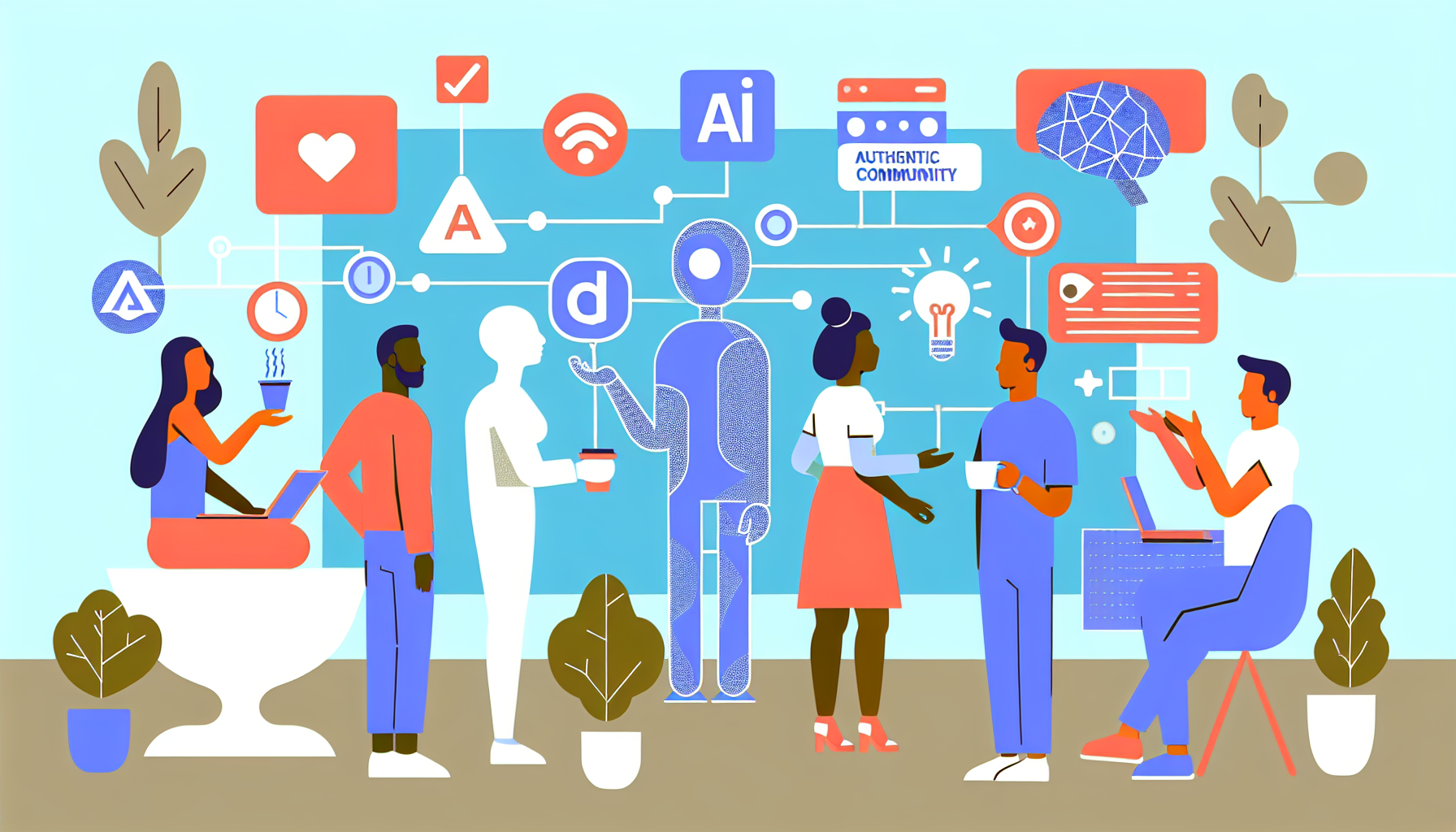
In an era defined by algorithms, digital marketers face the challenge of balancing efficiency with authenticity. This article explores how integrating AI and automation can enhance marketing efforts while nurturing trust and community among audiences. By prioritizing genuine interactions, marketers can create content that resonates and builds lasting connections, essential for success in today’s digital landscape.
The Evolution of Digital Marketing
The evolution of digital marketing has been a remarkable journey, characterized by significant milestones that have transformed how brands connect with consumers. Traditionally, marketing relied on print, radio, and television, but the emergence of the internet in the late 20th century dramatically shifted this landscape. The launch of websites allowed businesses to establish an online presence, marking the first steps toward digital marketing.
The advent of social media in the early 2000s catalyzed a significant transformation, enabling brands to engage directly with their audiences. Platforms like Facebook, Twitter, and Instagram became essential tools for marketers, allowing for real-time interaction and community building. This shift not only changed the way businesses communicated but also altered consumer expectations, prioritizing engagement and authenticity over mere information dissemination.
As consumer behavior evolved, so did marketing strategies. The focus transitioned from broad audience reach to personalized experiences tailored to individual preferences. More recently, the rise of data analytics has empowered marketers to understand and anticipate consumer needs better, paving the way for strategies that resonate deeply with target audiences. This ongoing transformation highlights the importance of adapting to technological advancements while fostering genuine connections within online communities.
Understanding Artificial Intelligence in Marketing
Artificial Intelligence (AI) is revolutionizing marketing strategies, enabling businesses to navigate the complexities of consumer behavior with unprecedented efficiency. By harnessing machine learning and data analytics, digital marketers can glean valuable insights from vast amounts of consumer data, leading to more informed decision-making. Algorithms process data in real-time, optimizing and automating marketing activities to target users more accurately.
One prominent application of AI is personalized advertising, which tailors content to individual preferences based on previous interactions. This approach not only increases engagement but also fosters a sense of connection with brands. For example, platforms like Facebook and Google utilize AI to serve personalized ads based on user search history and online behavior, significantly boosting conversion rates.
Predictive analytics is another vital facet of AI in marketing. By analyzing trends and consumer behavior patterns, businesses can forecast future actions, enabling them to anticipate customer needs and adapt their strategies proactively. This predictive power enhances the overall customer experience, as brands are better equipped to deliver relevant content and offers at optimal times, ultimately fostering stronger consumer trust and loyalty.
As marketers embrace these AI-driven methodologies, they must focus on maintaining genuine human connections, ensuring that the technology enhances rather than replaces the relational aspect of marketing. This alignment of efficiency and authenticity will set the foundation for thriving online communities in a digital landscape dominated by algorithms.
Authenticity and Its Importance in Marketing
In the digital marketing arena, authenticity serves as a cornerstone for building lasting consumer relationships and fostering brand loyalty. As brands increasingly adopt AI technologies to refine their content strategies, the challenge remains to ensure that these innovations do not dilute the genuine human connections that consumers seek. Authenticity influences brand perception significantly; consumers are more likely to engage with brands that represent their values and resonate with their experiences.
To maintain genuine connections in a technology-driven landscape, brands should prioritize transparency in their communications. This entails being honest about the use of AI in content creation, ensuring that their messages align with their core identity. Brands can utilize storytelling as a powerful method to share their mission and values, allowing them to connect more deeply with their audience.
Regular engagement through community-building initiatives, such as webinars, interactive social media campaigns, and user-generated content, fosters a sense of belonging. Inviting consumers into the brand narrative not only enhances trust but can also improve retention and loyalty. Employing ethical AI practices can further bolster this authenticity, ensuring consumers feel valued and recognized in an increasingly algorithm-driven world. Ultimately, authenticity nurtures trust, leading to a more robust and engaged online community.
Building Trust in an AI-Driven World
In an increasingly AI-driven marketing landscape, trust emerges as a pivotal element for brands seeking to engage consumers effectively. As algorithms dictate online interactions, transparency becomes paramount. Consumers are more likely to engage with brands that openly communicate their data usage and decision-making processes. For instance, a brand that shares how AI tailors advertisements based on users’ preferences fosters an environment of understanding and respect.
Ethical practices are similarly essential. Brands must ensure that their AI tools are not only effective but also fair and unbiased. By actively auditing algorithms for bias and advocating for ethical usage, companies like Patagonia have set a benchmark in responsible marketing. Their commitment to transparency about sustainable practices has garnered trust and loyalty, enhancing their community’s engagement.
Moreover, honest communication helps bridge the gap between technology and human connection. Brands that share their journey, including successes and setbacks, build an emotional rapport with consumers. A prime example is Buffer, known for their transparency regarding pricing and internal challenges. Such openness humanizes the brand, reinforcing trust and loyalty.
In this algorithm-driven world, cultivating trust through these practices paves the way for deeper connections and stronger online communities.
Engagement Strategies for Online Communities
Engagement is the lifeblood of online communities in the digital marketing landscape, where algorithms often dictate visibility and interaction. Marketers must deploy strategic methods to foster genuine connection and encourage participation among their audiences. One effective approach is through **interactive content**, such as polls, quizzes, and live Q&A sessions, which not only captivate attention but also invite audience input, thereby deepening their investment in the community.
**Personalized experiences** are another powerful strategy. Utilizing AI-driven insights, marketers can tailor content to the unique preferences and behaviors of individual users. This could involve customized email campaigns that resonate on a personal level, ensuring consumers feel acknowledged and valued. AI can provide data-driven recommendations that enhance user experience, fostering a sense of belonging.
Community-oriented campaigns that promote collaboration and participation enable users to contribute their stories, ideas, and feedback. This not only generates authentic content but also builds shared ownership of the community. Encouraging user-generated content can bridge the gap between brands and audiences, cultivating a sense of trust and loyalty essential for thriving online communities. In this era of heightened algorithmic influence, the emphasis on **authentic engagement** becomes critical for sustaining vibrant digital ecosystems.
The Future of Digital Marketing: Balancing Technology and Humanity
As the landscape of digital marketing becomes increasingly influenced by innovative technologies like AI, marketers face both challenges and opportunities in striving for authenticity, trust, and community engagement. The relentless pace of technological advancement can easily lead to a depersonalized marketing approach, which risks alienating audiences. However, when harnessed thoughtfully, AI can serve as a powerful tool to enhance authentic connections rather than diminish them.
Marketers must embrace a dual approach: leveraging automation for efficiency while prioritizing human-centered strategies. For instance, data-driven insights can help craft highly relevant content that resonates with target demographics, yet it is the personalized touch—crafting compelling narratives and engaging dialogues—that builds long-lasting trust. Emerging trends, such as AI-generated content and predictive analytics, present opportunities for easily scalable initiatives, yet they should always be guided by ethical considerations to ensure transparency in communication.
In this evolving digital landscape, the focus should also shift to community building. Emerging platforms that prioritize user-generated content and feedback loops create spaces where authenticity thrives. By creating environments where audience voices matter, marketers can lock in trust while fostering deeper connections that transcend mere transactional relationships. The fragile balance between technology and humanity is essential for future success in digital marketing.
Conclusions
The journey through the intersection of AI and digital marketing reveals that authenticity remains paramount. By leveraging technology ethically and fostering genuine relationships, marketers can enhance engagement, build trust, and ultimately create vibrant online communities. Staying true to the human element in marketing strategies is essential for achieving lasting impact in an algorithm-driven world.