The Ergonomics of Innovation: How Design & Technology Converge to Enhance Human Performance and Productivity
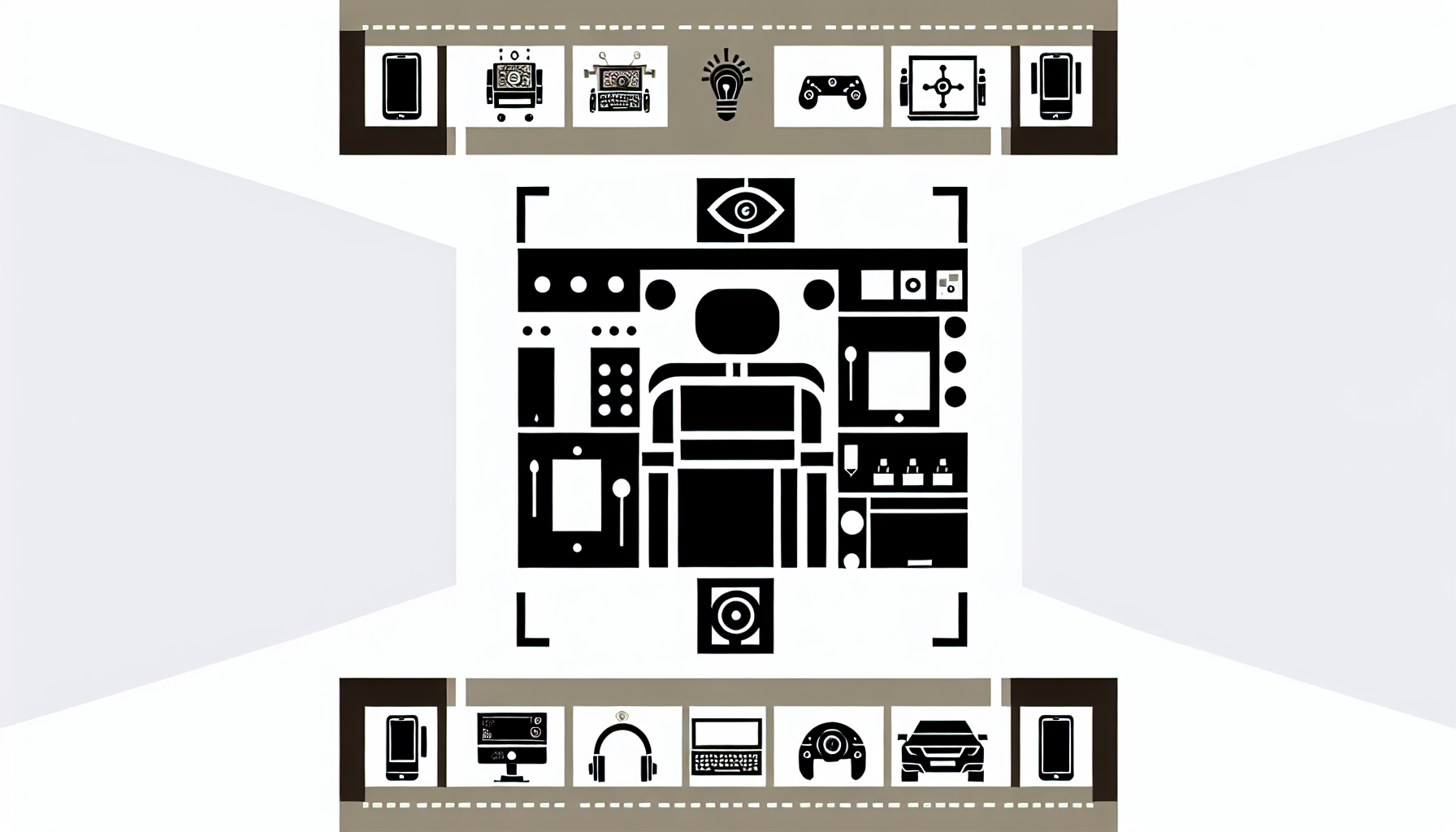
In today’s rapidly changing technological landscape, the fusion of ergonomics, creative design, and innovative technology is transforming how we interact with products. This article explores how next-generation solutions, like multi-screen laptops and smart home devices, enhance user experience, productivity, and overall human performance, creating purpose-driven designed products that fit our needs.
Understanding Ergonomic Design
Ergonomic design is pivotal in enhancing user comfort, efficiency, and overall interaction with products and systems. At its core, ergonomics aims to optimize the interface between humans and technology, ensuring that tools and environments are intuitively aligned with users’ physical and cognitive needs. By employing principles such as anthropometry, biomechanics, and cognitive psychology, designers can create products that not only support user requirements but also minimize the risk of injury or strain.
One key aspect of ergonomic design is its focus on functionality through user-centered approaches. By conducting thorough assessments of user behavior and environment, designers identify potential challenges and opportunities to improve usability. This iterative process often includes prototyping and user testing to refine products based on feedback, ensuring that the final design aligns with the users’ goals effectively.
Furthermore, ergonomic design prioritizes both safety and well-being, recognizing that comfort directly affects productivity. For instance, smart devices incorporate ergonomic principles by utilizing adaptive interfaces that adjust to the user’s posture and preferences. As a result, innovations in ergonomic design transcend mere aesthetics, creating environments and products that foster engagement, improve performance, and promote a positive user experience.
The Role of Product Innovation
Product innovation serves as a fundamental catalyst for the development of new and improved goods, significantly influencing user experience and market differentiation. It manifests in various forms, primarily through radical and incremental innovations. **Radical innovation** introduces groundbreaking changes, transforming industries by reshaping how users interact with technology. For instance, the advent of multi-screen laptop setups drastically enhances simultaneous multitasking, allowing for streamlined workflows and productivity bursts.
On the other hand, **incremental innovation** involves gradual enhancements to existing products, refining user interfaces or ergonomic features for improved functionality and comfort. Take intelligent personal assistants like Alexa integrated with Kindle Scribe; such innovations build upon established technologies, focusing on how users can interact seamlessly with their devices to maximize efficiency.
The distinction between these innovation types profoundly influences user experience (UX). A well-executed radical innovation can generate excitement and engagement among users, while thoughtful incremental changes ensure that even familiar technologies feel fresh and relevant. In a market characterized by rapid technological advancements, successful product innovation hinges not just on functionality but on an unwavering commitment to design that complements human needs.
Enhancing User Experience
User experience (UX) is pivotal in determining how users interact with and perceive products. As technology advances, the complexity of user interactions has increased, making UX more critical than ever. It encompasses not only the functionality of a product but also the emotional responses it elicits. A well-designed UX reduces cognitive load, enhances intuitiveness, and significantly boosts user satisfaction and engagement.
To achieve an exceptional UX, designers must engage in thorough user research and understand the context in which their products will be used. This comprises understanding users’ goals, preferences, and pain points. By focusing on factors such as ease of use, accessibility, and aesthetics, companies can create products that resonate with users on multiple levels.
Innovative technologies, such as smart devices and wearable technology, identify patterns in user behavior, enabling the refinement of UX design through iterative feedback. Moreover, products must address digital well-being, by promoting a balanced use of technology in everyday life.
Ultimately, the emphasis on UX in product design shapes the user’s journey—transforming interactions into enriching experiences, fostering higher productivity, and ensuring lasting loyalty to brands that prioritize these elements.
Advancements in Human-Computer Interaction
The evolution of human-computer interaction (HCI) has fundamentally transformed the way users engage with technology, creating interfaces that are more intuitive and responsive to human needs. Early interactions revolved around keyboards and screens, but recent advancements have introduced innovative designs that prioritize user comfort and efficiency. Voice interfaces are among the most significant breakthroughs, enabling seamless communication without the need for physical input. This technology not only enhances accessibility but also allows users to multitask more effectively, thereby boosting productivity.
Additionally, tactile feedback systems provide crucial sensory responses during interactions, fostering a deeper connection between the user and the device. By simulating real-life sensations, these systems enhance the user experience, making interactions feel more natural and engaging. The thoughtful integration of these technologies into devices—ranging from smartphones to wearables—illustrates a growing emphasis on ergonomics in design. The goal is not merely to improve functionality but also to enrich the emotional connection users have with technology, ultimately leading to enhanced engagement. As HCI continues to advance, it paves the way for a future where technology feels less like a tool and more like an extension of ourselves, fostering deeper productivity and satisfaction in everyday tasks.
Creative Design in the Age of Technology
Creative design in the age of technology emerges as a vital force, where aesthetic elements intertwine with functional requirements to craft innovative products that genuinely enhance user experience and productivity. Designers today prioritize not only the visual appeal of a product but also how its form can influence the user’s emotional and physical engagement. This synergy between creativity and technology leads to solutions that resonate deeply with personal values and work efficiency.
For instance, consider the design philosophy behind multi-screen laptop setups, which balance functionality with a sleek visual presentation. By integrating ergonomic features, these setups encourage healthier postures while visually blending into modern workspaces, ultimately enhancing productivity. Furthermore, products like the intelligently designed electric vehicle interiors, such as those envisioned by Jony Ive for Ferrari, showcase an aesthetic sensitivity that elevates the driving experience. The use of high-quality materials and intuitive layouts not only appeals to the senses but also minimizes cognitive load during operation.
This thoughtful blend of form and function ensures that the technology seamlessly integrates into daily life. As users interact with these products, their experiences and emotional connections deepen, making the act of working or commuting not just efficient but also personally enriching. In this landscape, creative design becomes an essential driver of human performance and digital well-being.
Emerging Trends in Productivity Technology
As modern lifestyles evolve, so does the technology designed to enhance productivity and personal well-being. Emerging trends in productivity technology, particularly smart devices and wearable technology, are reshaping how individuals interact with their environments and resources. These innovations are engineered to foster both efficiency and improved mental health through seamless integration into daily life.
Wearable technology, such as smartwatches and fitness trackers, exemplifies this trend. These devices monitor physical activity and provide real-time feedback, encouraging healthier behavior—an essential element of maintaining productivity levels over time. By leveraging biofeedback, users can learn to manage stress and optimize their performance based on personal metrics.
Moreover, smart home devices are revolutionizing the workplace and living spaces. Systems that automate lighting, temperature, and even coffee brewing contribute to a more comfortable work environment, enhancing focus and reducing distractions. Intelligent assistants, like Alexa integrated with productivity applications, streamline task management, creating a personalized workspace that saves time.
Ultimately, the intersection of ergonomic design with these technologies advances the human experience, enabling users to transition effortlessly between tasks and environments while prioritizing their well-being. Equipped with these tools, individuals can redefine productivity through a lens that values both efficiency and health.
Conclusions
In conclusion, as design and technology continue to evolve, their integration aims to enhance human performance while prioritizing user experience and ergonomics. The innovative products discussed in this article exemplify how thoughtful design can significantly influence productivity and well-being, ultimately shaping the future of human-machine interaction.