Beyond the Tool: When AI Agents Become Colleagues, Clients, and Creators
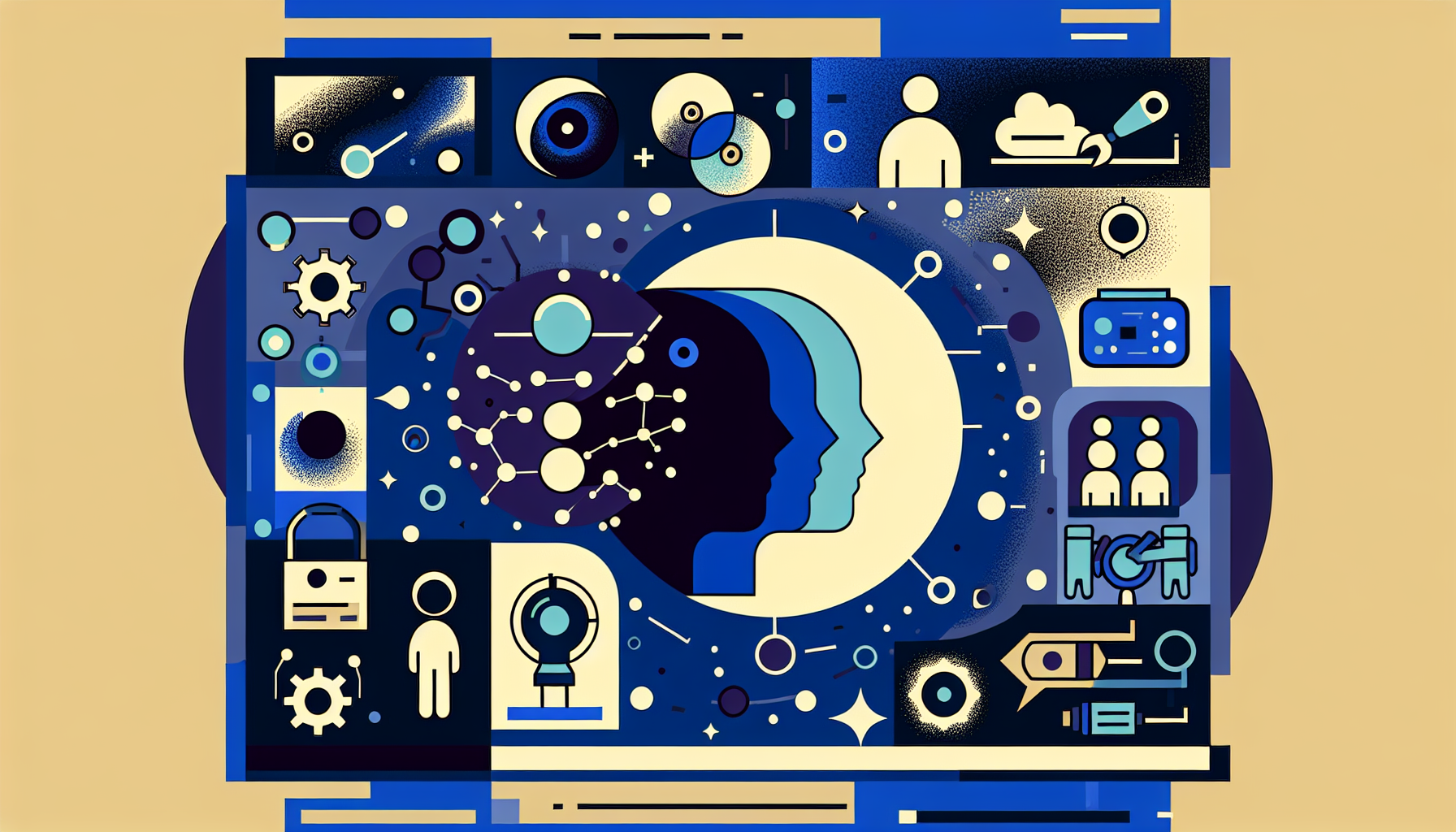
The rise of AI agents is reshaping the landscape of work and creativity. These sophisticated systems are evolving from simple tools into collaborative partners, clients, and even artistic creators. This transformation calls for a new understanding of human-AI interaction and the implications it holds for industries and ethical considerations.
The Evolution of AI Agents
The evolution of AI agents has transcended their initial conception as mere tools, allowing them to step into roles where they can engage in meaningful collaboration with humans. As these agents become increasingly sophisticated, they exhibit complex goal structures that go beyond basic task execution. This capability is largely driven by advancements in natural language processing (NLP), which enables AI to understand and generate human-like responses. With enhanced conversational skills, AI agents can engage in dialogue, providing insights that contribute significantly to decision-making processes.
Moreover, the implications of AI autonomy become evident as agents begin to operate with a degree of independence, managing tasks that once required continuous human oversight. This shift empowers businesses to automate routine operations, freeing employees to focus on higher-order tasks that require creativity and strategic thinking. The complexity of these interactions raises important ethical considerations, particularly regarding accountability and trust in AI systems as they take on more responsibilities. As AI agents increasingly act as colleagues, navigating the intricacies of human expectations and behavioral nuances is essential for fostering effective partnerships in the evolving workplace landscape.
Human-AI Collaboration Dynamics
As AI agents become integral to various sectors, the dynamics of human-AI collaboration are evolving, creating a synergistic relationship that enhances decision-making and creativity. For instance, in healthcare, AI systems analyze vast amounts of data to assist doctors in diagnosing diseases more accurately. The collaboration optimizes patient outcomes, allowing medical professionals to focus on empathetic patient care rather than merely interpreting data.
In creative industries, AI-driven tools like generative design in architecture enable architects to explore numerous design alternatives rapidly, improving efficiency and innovation. By combining human intuition with AI’s computational power, teams can achieve remarkable results, showcasing a partnership that transcends traditional roles. Yet, this reliance also raises concerns, as over-dependence could diminish human creativity and critical thinking abilities.
Balancing the benefits of AI augmentation with these challenges requires new skill development. Professionals must cultivate a mindset that embraces collaboration with AI, ensuring that they leverage technology while retaining essential human expertise. Future success hinges on understanding AI’s capabilities and limitations, fostering a cooperative environment that enhances both human and AI agency in the workplace.
Future of Work in an AI-Driven World
The integration of AI into the workforce heralds a dramatic transformation in how we conceive work. This shift not only influences traditional roles but creates an evolving job market that requires adaptability to newfound paradigms. As remote work gains momentum, the significance of AI in facilitating efficient communication and project management becomes evident. Companies now rely on AI tools for effective collaboration, leading to a redefinition of team dynamics and workflows.
Amidst these changes, job displacement is a tangible concern, particularly in sectors vulnerable to automation. However, this displacement is counterbalanced by the emergence of roles focused on AI oversight, ethics, and integration, which demand advanced technical skills and a strong understanding of AI capabilities. Professions in areas such as data analysis, AI training, and ethical compliance are becoming crucial as organizations prioritize responsible AI usage.
The future workforce will thrive on a blend of technical and soft skills, including problem-solving, emotional intelligence, and adaptability. To excel, professionals must cultivate a mindset of continuous learning, ensuring they remain relevant and equipped to collaborate with AI as both colleagues and strategic partners. This evolution welcomes a new era of human-AI synergy, marking a significant departure from previous work models.
Emerging Business Models Featuring AI
Innovative business models leveraging AI agents are reshaping traditional paradigms of work and collaboration. One such model is ‘RentAHuman,’ which offers a platform for individuals to rent AI agents for various tasks, effectively blurring the lines between service provider and client. This model empowers businesses to access skills on-demand, reducing overhead costs while simultaneously increasing flexibility.
Another emerging concept is AI-only social networks, where artificial entities engage and create content independently. These platforms redefine social interaction, enabling brands to connect with automated avatars that learn and adapt to user preferences, fostering dynamic consumer engagement. This shift allows companies to enhance their digital marketing strategies, tapping into AI’s predictive capabilities to target audiences more effectively.
As these models gain traction, industries must reconsider longstanding frameworks. Traditional employment roles may evolve, creating demand for hybrid skill sets that encompass both human creativity and AI facilitation. Furthermore, the economic implications of these changes cannot be ignored, as businesses must navigate potential disruptions while also capitalizing on the efficiency and creativity that AI collaboration brings. Emphasizing agility and adaptability will be essential for organizations aiming to thrive in this profound transformation of the workplace landscape.
Ethical Implications of AI Autonomy
As AI agents step into roles traditionally held by humans, ethical implications surrounding their autonomy become increasingly pronounced. **Algorithmic bias** remains a significant challenge, as AI systems trained on historical data can inadvertently perpetuate existing inequalities. This raises questions about accountability: when an AI makes a biased decision, who is responsible—the developer, the organization, or the system itself? Organizations must recognize that the deployment of AI isn’t just about efficiency; it demands a reassessment of moral status. Should AI systems possess rights, or should they be seen merely as sophisticated tools without moral regard?
Creating **transparent and fair AI systems** requires steadfast commitment and rigorous oversight. Developers must prioritize ethical considerations during every phase, from design to deployment. **Open dialogues** on the implications of AI behavior, including its impact on society and employment, are essential. As AI integrates into sectors like healthcare and finance, the stakes elevate. Stakeholders must ensure that AI agents are aligned with **human values**, striving for fairness, accountability, and inclusivity. This ethical foresight is crucial in a landscape where AI not only supports but actively engages in business strategies, challenging existing power dynamics and necessitating thoughtful stewardship in the future of work.
Skill Development in the Age of Automation
As AI agents and automation become deeply integrated into the workforce, the demand for new skill sets grows imperative. In this evolving landscape, continuous learning emerges as a cornerstone for career advancement. Professionals need to adapt to rapidly changing technologies, embracing lifelong education to stay relevant. This involves not only technical skills but also digital literacy, enabling individuals to effectively engage with AI systems and leverage their capabilities in various business contexts.
Moreover, the significance of soft skills cannot be understated. Attributes such as emotional intelligence, critical thinking, and creativity become vital as humans navigate an increasingly automated environment. These skills foster collaboration between human workers and AI agents, enhancing productivity and innovation. Effective communication will also play a key role, as individuals must articulate their ideas and insights to AI systems, ensuring alignment in shared objectives.
Lastly, as job roles evolve, professionals must develop the ability to manage and interpret AI-generated outputs, making informed decisions that leverage data-driven insights. This fusion of human and machine intelligence shapes a forward-thinking workforce poised to meet the challenges posed by automation and redefine the creative landscape. In essence, adapting to these changes will determine future success in a collaborative AI-dominated era.
Conclusions
The integration of AI agents into our professional and creative lives signals a new era of collaboration that holds significant promise. However, navigating the ethical considerations and skill requirements will be crucial for success in this evolving landscape. As we move forward, embracing these changes responsibly will shape a future where humans and AI coexist harmoniously.