AI for SMBs Unlocking Growth and Efficiency Through Smart Automation
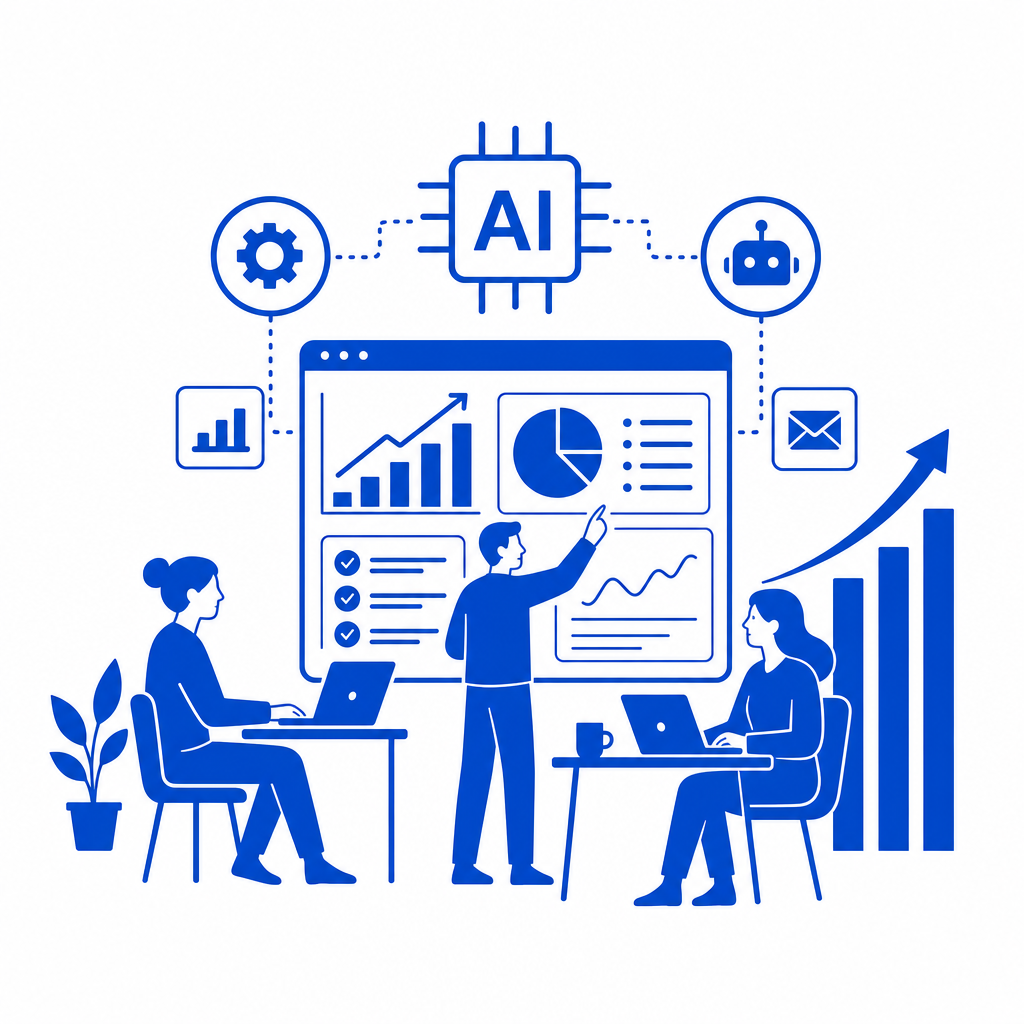
The integration of AI and automation into small and medium-sized businesses (SMBs) is revolutionizing traditional operational methods. These technologies empower SMBs to enhance efficiency, boost productivity, and create memorable customer experiences. This article will delve into practical applications, demonstrating how SMBs can harness AI-driven solutions to fuel growth and achieve a sustainable digital transformation.
Understanding AI and Automation
Artificial intelligence (AI) and automation have become vital tools for small and medium-sized businesses (SMBs) striving to enhance growth and efficiency. AI refers to systems designed to simulate human intelligence, enabling machines to learn from data, recognize patterns, and make decisions. Automation, on the other hand, involves the use of technology to perform tasks without human intervention. For SMBs, harnessing these technologies can lead to streamlined processes and improved outcomes.
Various forms of automation can significantly benefit SMBs, including workflow automation, which streamlines repetitive tasks; robotic process automation (RPA), which automates rule-based processes; and AI-enhanced decision-making systems, which analyze data to guide strategic decisions. These technologies work synergistically to enhance business operations, reducing human error and accelerating processes.
Numerous small businesses have successfully implemented these solutions. For example, an SMB in the retail sector adopted an AI-driven inventory management system, enabling real-time tracking of stock levels, thus minimizing overstock and stockouts. Another business utilized workflow automation in customer onboarding, reducing processing time from several days to mere hours. Such real-world applications demonstrate how embracing AI and automation can significantly transform operations, leading to higher efficiency and business growth.
Streamlining Operations with Smart Solutions
Small and medium-sized businesses (SMBs) can significantly enhance efficiency and productivity by leveraging AI and automation tools to streamline daily operations. Utilizing customer relationship management (CRM) systems, email automation, and inventory management software, businesses can minimize manual tasks and declutter workflows. For instance, CRM systems enable businesses to store customer data securely while tracking interactions and automating follow-ups, which drastically cuts down on administration time.
Email automation platforms allow SMBs to schedule promotional campaigns, send personalized messages, and manage lists, ensuring timely communication without the labor-intensive process of manual outreach. Additionally, inventory management software equipped with AI can forecast demand trends, manage stock levels automatically, and even optimize reorder points.
A noteworthy example is a local retail store that adopted an inventory management system resulting in a 30% reduction in overhead costs and a 50% decrease in stock-outs. Similarly, a small marketing firm utilized a CRM with email automation, achieving a 40% increase in lead conversion rates. These examples underscore how targeted automation can translate into substantial time and cost savings, allowing SMBs to redirect resources toward strategic growth initiatives.
Enhancing Customer Engagement
Small and medium-sized businesses (SMBs) can significantly enhance customer engagement by incorporating AI-driven solutions into their strategies. Tools such as chatbots provide 24/7 support, addressing customer inquiries instantly while freeing up human resources for more complex tasks. For instance, a local retail store implemented a chatbot on their website, resulting in a 30% increase in customer satisfaction scores due to faster response times.
Personalized marketing campaigns represent another powerful application of AI. By analyzing consumer data, SMBs can create tailored messages that resonate more effectively with target audiences. For example, an online boutique utilized AI to segment its email list based on purchasing behavior, leading to a remarkable 50% increase in open rates and a 25% boost in sales from targeted campaigns.
Additionally, leveraging customer feedback analysis allows businesses to refine their offerings continuously. NLP (Natural Language Processing) technologies can sift through social media comments and reviews to identify common pain points and areas for improvement. A small café adopted this approach, using feedback to enhance service quality, which ultimately increased customer loyalty and repeat visits.
Through these strategies, SMBs can foster deeper customer relationships, leading to increased brand loyalty and long-term growth.
Identifying New Growth Opportunities
AI empowers small and medium-sized businesses (SMBs) to identify and capitalize on new market opportunities through data-driven insights. By leveraging analytics platforms, SMBs can uncover patterns in consumer behavior, analyze market trends, and perform competitive analysis that traditionally required extensive resources. Tools like Google Analytics, Tableau, and HubSpot allow businesses to sift through large datasets, providing actionable insights that can steer strategic decisions without necessitating deep technical expertise.
For instance, a regional coffee shop chain utilized AI analytics to delve into customer purchase patterns, discovering a growing preference for plant-based alternatives. This insight prompted them to launch a new line of vegan products, which not only attracted new customers but also boosted overall sales by 20% within months. Similarly, a small e-commerce company employed AI tools for competitive analysis to identify gaps in their offerings, enabling them to diversify their products effectively and capture a niche market, thereby increasing their revenue streams.
These case studies highlight the real-world applications of AI in recognizing growth opportunities, showcasing how data-driven decision-making can enhance productivity, inform business strategy, and drive digital transformation.
Overcoming Barriers to Adoption
As small and medium-sized businesses (SMBs) consider the integration of AI and automation into their operations, they often encounter several barriers that can hinder progress. Chief among these is budget constraints. However, there are numerous cost-effective solutions available, such as cloud-based automation tools that require minimal upfront investment while offering scalable options as businesses grow.
Another significant challenge is the lack of technical expertise. Many SMBs fear that adopting these technologies necessitates an extensive knowledge base. Fortunately, there are user-friendly platforms designed for non-technical users, complemented by online resources and community support that facilitate learning and implementation. Engaging with local tech communities or hiring freelancers can also bridge this expertise gap.
Furthermore, resistance to change remains a psychological barrier for many employees accustomed to traditional methods. To foster a culture of innovation, leadership must actively communicate the benefits of AI and automation, demonstrating how these tools can enhance productivity rather than replace jobs. Workshops or pilot programs can help ease the transition by allowing employees to experience the advantages firsthand.
Embracing digital transformation is not just about implementing new tools but also about nurturing a mindset that values agility and continuous improvement.
Strategizing for the Future
To successfully navigate the evolving landscape of AI and automation, SMBs must embrace a forward-thinking strategy that transitions from reactive to proactive planning. It’s imperative to continuously assess technology trends and integrate them into business strategies. This requires not only awareness of advancements but also the agility to adapt to market conditions effectively.
One actionable step for developing a strategic plan is to conduct a regular SWOT analysis (Strengths, Weaknesses, Opportunities, Threats) specific to technology integration. By identifying how AI can enhance strengths while addressing weaknesses, businesses can tailor solutions to meet unique operational needs. Additionally, establishing partnerships with tech firms or consultants can provide access to innovative tools and platforms that facilitate smoother implementation.
SMBs should also invest in training and development, ensuring that team members are equipped with the skills to leverage new technologies. By fostering a culture of continuous learning, businesses can remain competitive and innovative.
Moreover, measuring the impact of AI and automation initiatives will provide insights into their effectiveness. Relying on feedback loops will allow SMBs to refine their strategies, ensuring that digital transformation is viewed not as a one-time project but as an ongoing journey towards growth and efficiency.
Conclusions
In conclusion, leveraging AI and automation presents a unique opportunity for SMBs seeking growth and efficiency. By embracing accessible technologies, these businesses can streamline operations, improve customer engagement, and adapt their strategies to the evolving marketplace. The proactive integration of these tools not only drives productivity but also enables SMBs to thrive in the competitive digital landscape.