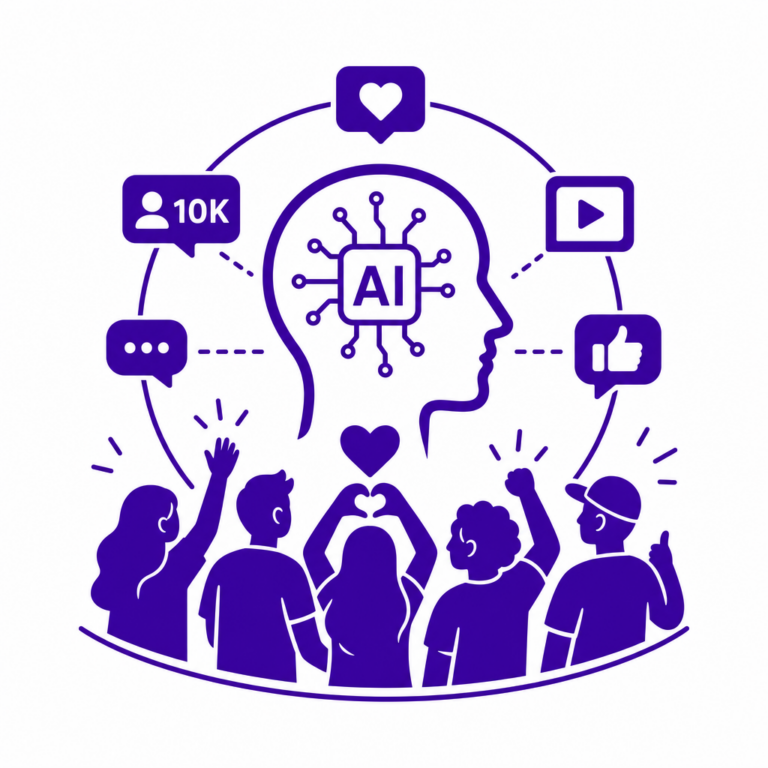
The Art of Hyper-Personalization: Crafting Engaging Digital Experiences

In today’s digital landscape, personalization has evolved into hyper-personalization, where businesses tailor experiences to individual preferences. This article explores how leveraging data and innovative strategies can enhance customer experiences, foster engagement, and cultivate loyalty. Discover how to create digital marketing campaigns that connect meaningfully with customers through creativity and analytics.
Understanding Hyper-Personalization
Hyper-personalization represents a significant evolution in the realm of digital marketing, distinguishing itself from traditional personalization through its emphasis on real-time, data-driven interactions tailored to individual preferences and behaviors. While traditional personalization might involve generic approaches such as using a customer’s first name or recommending products based on past purchases, hyper-personalization dives deeper, leveraging vast pools of customer data to create unique experiences that resonate on a much more personal level.
The importance of hyper-personalization in today’s digital marketing landscape cannot be overstated. As consumers become more tech-savvy, their expectations grow; they seek interactions that are not just relevant but also meaningful. This shift necessitates that businesses adapt and refine their engagement strategies, aligning them with the personalized journeys customers now demand.
Advancements in technology greatly facilitate this approach. With robust analytics tools and machine learning algorithms, businesses can gather and interpret intricate data patterns—from browsing histories to social media interactions—allowing them to anticipate customer needs and preferences with unparalleled accuracy. This ability to harness data efficiently transforms digital marketing into a bespoke experience, fostering deeper connections and ultimately enhancing customer loyalty.
The Role of Data in Hyper-Personalization
The effectiveness of hyper-personalization relies heavily on the data collected and analyzed to understand customer behavior. Businesses must focus on several types of data to create tailored digital experiences. **Behavioral data** reveals how customers interact with a brand online, including browsing history, purchase patterns, and social media engagement. This type of data is critical, as it reflects real-time preferences and can guide dynamic marketing strategies.
**Demographic data**, such as age, gender, location, and income level, provides foundational insights into customer segments. This information helps in crafting targeted campaigns that resonate with various groups. Additionally, capturing **customer preferences**—like product choices, favorite communication channels, and content types—enables brands to tailor interactions specifically to each individual.
Utilizing data analytics tools is essential for converting raw data into actionable insights. Businesses can leverage sophisticated technologies like AI and machine learning to identify trends, predict needs, and personalize experiences at scale. By integrating these insights into their marketing strategies, companies can foster deeper customer engagement, ultimately enhancing the overall **customer experience** and driving loyalty through meaningful connections.
Creative Strategies for Engaging Content
In the realm of hyper-personalization, engaging content is crucial for building meaningful connections with customers. To create such content, businesses can employ several creative strategies that go beyond standard practices. One effective approach is **segmentation**, which involves dividing the target audience into distinct groups based on shared characteristics. This allows for tailored messaging that speaks directly to the unique interests and motivations of each segment.
**Dynamic content** is another powerful tool. By utilizing advanced technology, brands can modify digital experiences in real-time, presenting content that aligns with individual preferences or behaviors. This can manifest as personalized product recommendations, customized landing pages, and adaptive email messaging that evolves with customer interactions.
Incorporating **user-generated content** can also enhance engagement. Showcasing reviews, testimonials, or social media posts from real customers not only fosters trust but also cultivates a sense of community around the brand.
Furthermore, weaving **storytelling elements** into marketing messages allows businesses to connect on an emotional level, crafting narratives that resonate deeply with the audience. By appealing to the customer’s aspirations, values, or even challenges, brands can foster stronger, more lasting relationships that drive sustained engagement and loyalty.
Enhancing Customer Experience through Personalization
Hyper-personalization significantly enhances customer experience by mapping each individual’s journey from the first touchpoint through to post-purchase interactions. By integrating personalized communications, businesses can create seamless experiences that cater to individual needs and preferences. Data plays a critical role in understanding customer behavior, allowing for tailored recommendations and interactions that resonate with them.
From the initial engagement, such as targeted emails or curated content, to the purchasing process, personalized tools—like product suggestions based on browsing history—can significantly influence decision-making. Effectively leveraging data enables brands to anticipate customer needs, making them feel valued and understood.
Post-purchase interactions are just as vital; hyper-personalization allows businesses to follow up with tailored content such as personalized thank-you messages or suggestions for future purchases based on previous behavior. This consistent communication nurtures a bond that fosters loyalty and encourages repeat business.
As brands craft personalized experiences, they not only enhance customer satisfaction but also cultivate deeper connections, making customers more likely to share their positive experiences, amplifying engagement through word-of-mouth and social proof. This holistic approach to personalization ultimately drives long-term loyalty, ensuring customers return again and again.
Measuring Engagement and Success
Measuring the effectiveness of hyper-personalized marketing strategies is essential for businesses aiming to foster deeper customer engagement and loyalty. Key metrics and KPIs provide valuable insights into how well these tailored experiences resonate with individual users.
To measure customer engagement, businesses should track metrics such as time spent on site, page views per session, and social media interactions. These indicators reveal how effectively personalized content captivates audiences, prompting them to explore further. Retention rates can also be assessed by monitoring repeat purchases and subscription renewals. A dip in these figures may suggest that current personalization efforts need refining.
Conversion rates serve as another critical measure, indicating how many personalized interactions lead to desired actions, such as purchases or sign-ups. Utilizing A/B testing can further enhance this understanding by providing comparative insights into which strategies perform better.
Continuous optimization based on data feedback is vital to refining personalization techniques. Implementing real-time analytics allows businesses to adapt quickly to changing customer preferences and behaviors. Such agility ensures that marketing efforts remain both relevant and impactful, increasing the likelihood of sustained engagement and loyalty.
Future Trends in Hyper-Personalization
As we look to the future of hyper-personalization, emerging technologies such as artificial intelligence (AI), machine learning, and automation are poised to redefine the landscape of digital marketing. These advancements will enhance the ability of businesses to deliver hyper-targeted content, creating deeper connections with customers.
AI algorithms will analyze vast amounts of consumer data to uncover patterns and preferences that would be imperceptible to human analysts. This capability enables brands to anticipate customer needs and deliver personalized experiences at unprecedented levels. For instance, AI-driven recommendations can suggest products or services tailored to each customer’s unique preferences, achieved through real-time data analysis.
Moreover, automation tools will streamline the execution of personalized marketing campaigns, ensuring timely and relevant communication with individual customers. Automation allows businesses to scale their efforts, delivering targeted content to specific segments or even individuals without sacrificing quality.
As these technologies continue to evolve, we can expect enhanced predictive analytics that will further refine personalization strategies. The result will be not only improved customer experiences but also heightened engagement and loyalty, as brands become more adept at resonating with each individual’s journey. The fusion of creativity and technology will enable brands to craft uniquely engaging digital experiences that meet the ever-changing demands of their customers.
Conclusions
In conclusion, hyper-personalization allows businesses to stand out in a crowded market by delivering tailored experiences that resonate with their audience. By efficiently using data and creative marketing strategies, companies can foster deeper connections with customers, ultimately driving engagement and loyalty. Embracing this approach is essential for success in the evolving digital ecosystem.