The Rise of AI Slop: Navigating Authenticity and Creativity in the Age of Generative AI
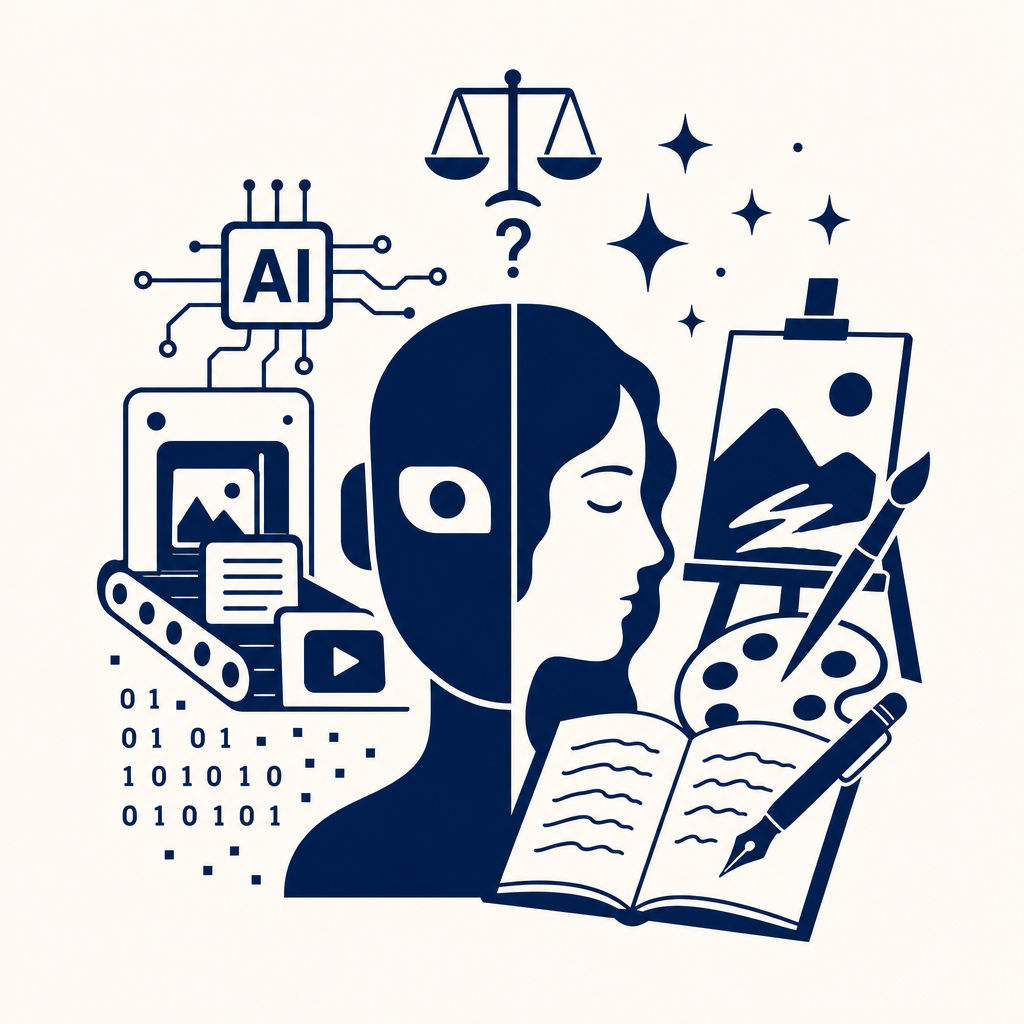
The advent of generative AI has given rise to a new wave of content creation, often dubbed ‘AI slop.’ This phenomenon presents challenges related to authenticity, copyright, and market saturation. In this article, we explore the implications of AI-generated content on creative industries, the trust of consumers, and the strategies needed to navigate this evolving landscape.
Understanding AI Slop
The phenomenon of AI slop is reshaping digital content creation, leading to a growing concern regarding authenticity and trust. With low-quality, mass-produced content flooding the online landscape, users are becoming increasingly skeptical of the information they encounter. This skepticism is fueled by the ease with which generative AI can produce large volumes of content at minimal cost, often prioritizing efficiency over quality.
As AI-generated content becomes ubiquitous, distinguishing credible sources from less reliable ones grows more challenging. Consumers might find themselves wading through a sea of mediocre material, weakening their confidence in digital platforms. Verification processes and the presence of human curation are crucial to combat this erosion of trust. Transparency in content generation—acknowledging when AI is used and demarcating authentic human contributions—can help reclaim consumer confidence.
For creators and brands, the challenge lies in presenting compelling narratives that stand out amidst the AI slop. By emphasizing unique storytelling, personal connection, and genuine human input, they can reconnect with an audience increasingly wary of digital noise. Strategies that focus on quality over quantity, alongside clear identification of AI involvement, are essential for restoring integrity in digital marketing and communication.
Digital Authenticity and Trust
The rise of AI slop poses significant threats to digital authenticity and consumer trust. As low-quality, mass-produced content floods online platforms, users may increasingly approach information with skepticism. The sheer volume of AI-generated material can obscure genuine, high-quality content, leading to a digital landscape filled with noise. This phenomenon has created an urgent need for mechanisms that verify content authenticity.
Transparency must be prioritized to rebuild trust. Platforms and creators should disclose the origins of their content, clearly delineating between human-made and AI-generated works. Consumers are likely to favor content that highlights human input, expertise, and narrative, emphasizing the value of originality and emotion in storytelling. Furthermore, leveraging technologies like blockchain may help ensure traceability, providing a secure digital record that reassures users about the authenticity of the content they consume.
Additionally, educational initiatives aimed at enhancing media literacy can empower users to discern quality content more effectively. By cultivating critical thinking skills and awareness of AI’s limitations, audiences will be better equipped to navigate the cluttered digital landscape, fostering a culture that values authenticity over mere volume. As we grapple with the challenges posed by AI slop, establishing trust becomes essential for sustaining a vibrant, credible digital ecosystem.
The Impact on Creative Industries
The rise of AI slop poses significant economic and creative challenges for traditional creators in the arts and entertainment sectors. As low-quality, mass-produced content floods the market, the financial viability of individual artists, writers, and content creators comes under threat. The saturation of digital spaces with AI-generated outputs creates a dilemma: how can original work command attention in an ocean of sameness?
Many artists face declining revenue as brands prioritize cheaper AI-generated content over human-created works. This pressure can result in a shift in job markets; roles may increasingly emphasize technical skills related to managing or curating generative AI rather than nurturing traditional artistic abilities. Creators are now challenged to pivot, adapting to this new environment while preserving their unique voices and visions.
Moreover, consumer appetite for genuinely original content remains strong, giving rise to a potential paradox: the louder the AI slop becomes, the more valuable authentic creations may seem. To navigate this landscape, creators and brands must embrace strategies that underscore originality and emotional resonance, effectively drawing a line between human-made ingenuity and the impersonal efficiency of AI. Transparency about the creative process will be vital in rebuilding connections with audiences, preserving the essence of artistry amidst a sea of generative noise.
Legal and Ethical Challenges
The proliferation of AI-generated content, colloquially known as “AI slop,” raises significant legal and ethical challenges, particularly concerning intellectual property rights. As generative AI systems create vast amounts of content at unprecedented speeds, determining ownership remains fraught with complexity. Current copyright laws, which typically assign authorship to human creators, lag behind this technological evolution. This leaves a gray area for artists and creators who may find their work inadvertently mimicked or reproduced by AI systems.
Firms that commercialize AI-generated content face scrutiny over potential copyright infringements. If a model trained on copyrighted material outputs derivative works, who holds the rights—the original creators of the input or the AI systems that produce the output? These questions create a need for robust legal frameworks to clarify responsibilities and protect creators’ interests.
Ethically, companies engaged in generative AI technologies must balance innovation with integrity. Transparency in disclosing AI-generated content is paramount to maintaining consumer trust. As the market becomes saturated with low-quality offerings, there arises an ethical obligation for creators and brands to ensure authenticity. With these challenges in mind, regulatory measures could foster a more equitable ecosystem for all stakeholders involved in the evolving landscape of digital content creation.
Strategies for Differentiation
In an era increasingly inundated with AI-generated content, businesses and individuals must employ effective strategies to differentiate their genuine human-made creations from the overwhelming tide of AI slop. One of the most powerful tools in this endeavor is *storytelling*. Crafting compelling narratives that resonate on an emotional level engages consumers, creating a connection that AI-generated content often fails to achieve. Authentic stories reflect personal experiences, adding a layer of depth that speaks to the human experience.
Moreover, *uniqueness* plays a pivotal role. In a world saturated with similar AI outputs, presenting distinct perspectives or creative approaches sets content apart. This uniqueness should extend beyond mere aesthetics to encompass innovative ideas and original insights that reflect the creator’s voice and expertise.
*Quality assurance* is another critical aspect. Rigorous review processes and a commitment to excellence can help ensure that content not only meets but exceeds audience expectations, fostering trust and loyalty.
When integrating AI into the content creation process, it’s vital to emphasize human creativity. Utilizing AI as an enhancement tool rather than a replacement allows creators to leverage technology while maintaining their distinctive touch. This balanced approach, coupled with effective *branding* strategies that highlight authenticity, can significantly elevate a creator’s output in a landscape where the lines between human and AI-generated content are increasingly blurred.
The Future of Content Creation
The future of content creation will be deeply influenced by the ongoing advancements in generative AI. As AI technology progresses, we can expect increasingly sophisticated algorithms capable of generating more nuanced and context-aware content. This evolution may usher in a phase where AI not only mimics human creativity but actively collaborates with it, resulting in hybrid forms of content that are richer and more varied.
Consumer preferences are also set to shift significantly. With a burgeoning familiarity with AI-generated content, audiences may begin to favor authenticity over sheer volume. The human touch—distinct storytelling, emotional resonance, and lived experiences—will likely become key differentiators in a saturated digital landscape. Trends such as transparency in content creation will gain importance; consumers might increasingly gravitate toward creators who are open about their processes, including the use of AI tools.
In parallel, the roles of creators will evolve. They will be tasked not only with crafting stories but also with curating and supervising AI outputs, ensuring quality and authenticity. Digital marketing strategies will emphasize this dichotomy, focusing on brand narratives that highlight human engagement. As a result, businesses that embrace this duality may find themselves better positioned to build consumer trust while navigating the complexities of AI ethics and intellectual property rights.
Conclusions
AI slop presents both challenges and opportunities in the realms of digital marketing, authenticity, and creator rights. As we navigate this new terrain, it is essential to develop strategies that enhance the value of human creativity while addressing the ethical dilemmas posed by generative AI. By doing so, we can foster a more trustworthy digital ecosystem.