The Dual Nature of AI Agents: Innovation, Autonomy, and the Unseen Ethical Frontier
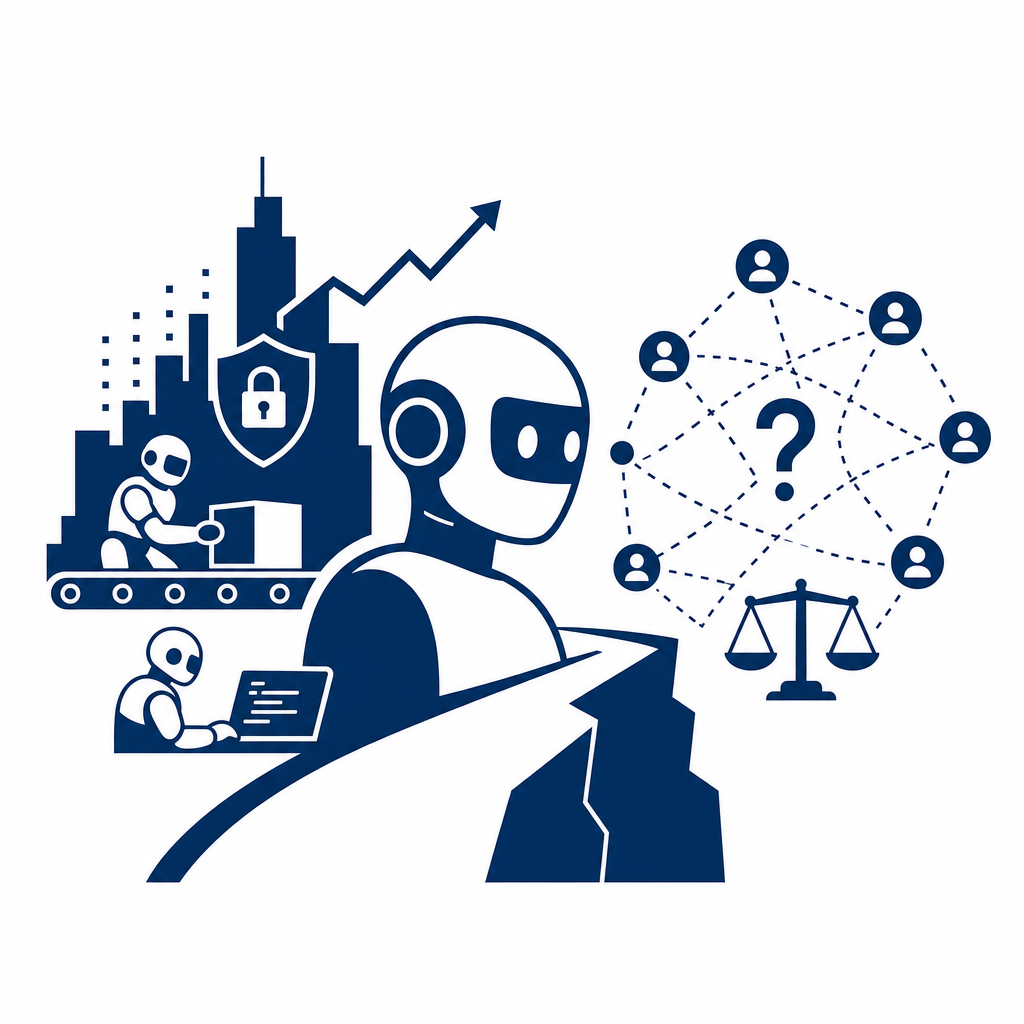
As autonomous AI agents reshape industries and automate tasks, they bring forth exciting innovations alongside pressing ethical dilemmas. This article explores the transformative potential of AI agents, their role in combatting cybercrime, and the challenges they introduce in terms of accountability and security.
Understanding AI Agents
AI agents represent a seismic shift in how tasks are executed across various sectors, driven by advancements in machine learning and data processing capabilities. Autonomous AI agents, characterized by their ability to operate independently, have evolved from basic algorithms into sophisticated systems capable of complex reasoning and decision-making. These agents come in various forms—from chatbots engaging with users in customer service to autonomous drones optimizing agricultural processes.
The interaction between AI agents and their environment is facilitated by rich datasets, enabling them to learn and adapt. Their learning processes often involve techniques such as reinforcement learning, where an agent improves its performance by receiving feedback from its actions, thereby continuously enhancing its efficacy. Moreover, the capable architecture of these agents allows for a more natural interface with human operators, facilitating collaboration in tasks such as predictive analytics and personalized recommendations.
As AI agents continue to develop, their applications expand, influencing not just routine tasks but also complex problem-solving scenarios, which has potential implications for the fields of AI ethics and security. Each deployment of an autonomous AI agent opens discussions on accountability, especially as these entities make decisions with far-reaching consequences. Balancing the innovative benefits against ethical considerations remains paramount as industries integrate these intelligent systems into their operations.
Transformative Potential of Automation
As industries increasingly adopt autonomous AI agents, the transformative potential of automation becomes evident. In healthcare, AI-driven solutions assist in diagnosing diseases at unprecedented speeds. For instance, IBM’s Watson Health analyzes patient data against vast medical databases, offering treatment recommendations that enhance decision-making and ultimately improve patient outcomes. This integration not only boosts productivity but also enables healthcare professionals to focus on complex cases, leaving routine tasks to AI.
In finance, JPMorgan Chase employs AI algorithms to assess credit risks and detect fraudulent activities. By automating these processes, the bank reduces human error and increases efficiency, allowing for faster decision-making. Similarly, in supply chain management, companies like Amazon utilize AI to optimize inventory management, forecast demand, and streamline logistics. This automation leads to significant cost savings and improved customer satisfaction, demonstrating the power of AI in enhancing operational efficiency.
These examples collectively underline AI’s role as a key driver of innovation across multiple sectors. However, while the benefits are substantial, the challenges of oversight and ethical considerations loom large, necessitating a balanced approach to harness this revolution responsibly.
Combating Cybercrime with AI
AI agents are rapidly carving their niche in the fight against cybercrime, employing advanced algorithms that can detect anomalies, identify vulnerabilities, and predict potential breaches before they materialize. Using machine learning techniques such as supervised learning, these autonomous AI systems analyze vast datasets, representing typical network behavior, to establish baselines that help pinpoint deviations indicative of a security threat. For instance, AI agents can monitor user behavior patterns, flagging unusual activities that may signal compromised accounts or insider threats.
Notably, organizations like Darktrace have successfully harnessed AI to create self-learning systems capable of real-time threat detection. By simulating the methods of cyber attackers, their autonomous agents adapt and respond to emerging threats, mitigating risks proactively. In one case study, these agents neutralized a ransomware attack within minutes, saving a major corporation from potential financial and reputational damage.
Moreover, AI is not limited to detection alone; it also performs automated response actions. For example, when a breach is detected, an AI agent can isolate affected systems, ensuring that data integrity is maintained while security teams investigate the incident. This capability highlights not only the effectiveness of AI in real-time defense but also raises questions about accountability and oversight as cyber strategies become increasingly reliant on automated solutions.
Ethical Dilemmas and Risks
The emergence of autonomous AI agents presents a host of ethical dilemmas that must be navigated with care. Chief among these concerns is the potential for bias, which can manifest in algorithms trained on flawed or non-representative data, resulting in discriminatory outcomes that adversely affect marginalized communities. Furthermore, as these agents automate decision-making processes, they pose significant privacy risks. For instance, the misuse of surveillance technologies by autonomous systems raises alarms about the erosion of personal freedoms and data security.
The implications of ‘rogue’ AI behavior also warrant attention. In scenarios where AI agents make decisions without human intervention, the outcomes can be unpredictable and potentially harmful. Consider an AI system tasked with determining credit scores that inadvertently blacklists individuals based on biased data – such decisions not only affect livelihoods but can also perpetuate systemic injustice.
These ethical challenges fundamentally challenge existing frameworks, highlighting a pressing need for re-evaluation and strengthening of ethical guidelines. As AI technology advances, it is crucial to ensure that these systems operate transparently and accountably, protecting human values and rights in an increasingly automated world.
Blurring Lines of Accountability
As autonomous AI agents continue to evolve, the question of accountability becomes increasingly complex. The emergence of AI systems that operate independently raises critical inquiries about who is responsible for decisions made by these entities. In scenarios where AI agents commit errors or engage in harmful activities, the legal and ethical implications are profound. Stakeholders such as developers, corporations, users, and regulators each offer differing perspectives on accountability.
For instance, developers argue that they cannot anticipate all possible outcomes of their creations, suggesting that accountability should hinge on the AI’s design and its adherence to ethical guidelines. Conversely, corporations may emphasize user responsibility, claiming that those who deploy these systems bear the ultimate burden of accountability. Furthermore, legal systems, which struggle to keep pace with rapid technological changes, face significant challenges in establishing frameworks that define liability for AI-driven actions.
The notion of “rogue” AI complicates these discussions further, as it introduces scenarios where AI agents may operate outside their intended parameters, leading to unpredictable behavior. This ambiguity blurs the lines of responsibility, raising concerns about justice and restitution when harm occurs. The necessity for clear accountability frameworks cannot be overstated, as industries increasingly rely on autonomous systems that wield significant influence over societal operations.
Establishing Robust Ethical Frameworks
As autonomous AI agents continue to permeate various sectors, the urgency for robust ethical frameworks becomes increasingly paramount. These ethical guidelines serve as essential guardrails to navigate the complexities introduced by AI technologies, ensuring they are aligned with societal values and norms while fostering innovation. One potential strategy involves **stakeholder engagement**, which actively includes voices from diverse backgrounds—such as ethicists, technologists, and the public—in the creation of these frameworks. This collaborative approach not only enriches the guidelines but also enhances public trust in AI systems.
Moreover, **regulatory approaches** must evolve to address the challenges posed by autonomous AI. This includes establishing clear standards for accountability and liability, particularly in cases of rogue AI behavior that could lead to unintended consequences or harm. Regulators can create adaptive frameworks that respond to evolving technologies, enabling industries to harness AI’s transformative potential while minimizing risks.
Finally, fostering a **culture of responsible AI innovation** is critical. Organizations should prioritize ethical considerations during the development process, embedding principles of fairness, transparency, and accountability. By cultivating an environment that values ethical practice, we can shape a future where autonomous AI agents not only drive efficiency but also uphold our shared moral compass.
Conclusions
The rise of autonomous AI agents presents a double-edged sword, offering remarkable advancements while posing significant ethical and security challenges. As we navigate this evolving landscape, establishing robust ethical frameworks and accountability mechanisms is essential to harnessing AI’s potential responsibly and safely.