The Sustainable Superstructure: How Data Centers are Becoming Eco-Innovators for the AI Era
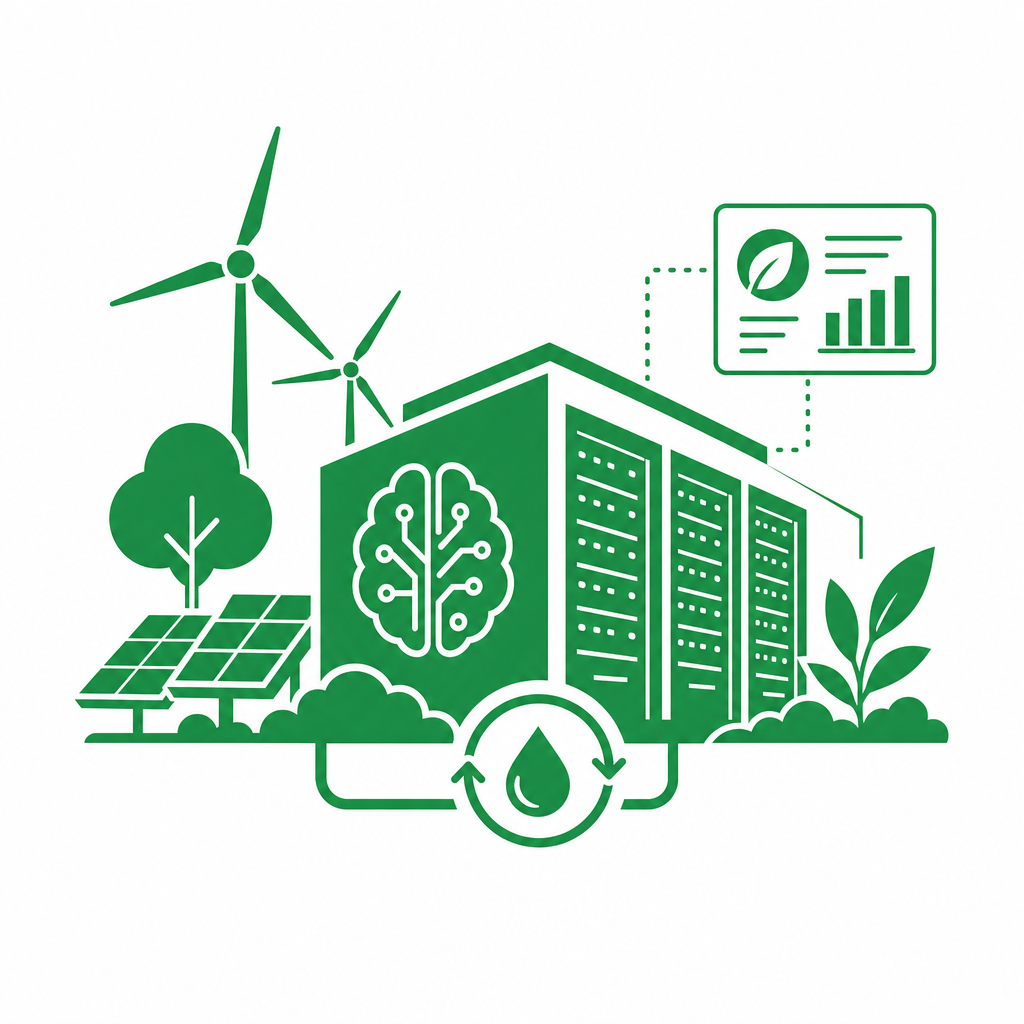
With the rise of artificial intelligence (AI) comes an increased demand for data processing, resulting in a larger environmental impact from data centers. This article delves into innovative technologies and strategies that are turning data centers into sustainable entities, addressing challenges such as energy efficiency, clean water production, and the integration of renewable energy sources.
Understanding the Role of Data Centers in the AI Landscape
As the backbone of the AI landscape, data centers have become crucial in the production and processing of vast amounts of data necessary for artificial intelligence applications. The surge in AI technologies—from machine learning to deep learning—has intensified the demand for computational power, driving data centers to operate at unprecedented scales. However, this necessity comes with significant environmental challenges. Traditional data centers consume enormous amounts of energy, resulting in a substantial carbon footprint that contradicts the principles of sustainability.
Moreover, the cooling requirements of these facilities further exacerbate their environmental impact, as excess heat must be managed efficiently to ensure optimal performance. The reliance on fossil fuels for energy in many regions also threatens efforts to achieve climate goals. This scenario underscores the urgent need for eco-innovative solutions tailored to data centers, focusing on sustainable practices that can mitigate their environmental effects. By reshaping how these facilities operate and emphasizing renewable energy integration and advanced resource management, data centers can not only support the burgeoning AI infrastructure but also actively contribute to a greener, more sustainable digital future.
The Quest for Energy Efficiency in Data Centers
The quest for energy efficiency in data centers has never been more pressing as the demand for AI processing power surges. To meet these needs while minimizing environmental impact, innovative technologies are being deployed to enhance energy usage without sacrificing performance. One significant advancement is in **advanced cooling systems**, which employ liquid cooling and AI-driven temperature regulation techniques. These systems can achieve remarkable energy savings by more effectively managing heat dissipation, thus reducing reliance on traditional air conditioning.
Another pivotal strategy is **virtualization**, a process that allows multiple virtual machines to run on a single physical server. This maximizes resource utilization, leading to reduced energy consumption and costs. Companies like VMware and Microsoft are at the forefront of this innovation, providing platforms that enhance operational efficiency through optimized workload distributions.
Moreover, the development of **efficient hardware**, including energy-efficient processors and solid-state drives, plays a crucial role in energy savings. Innovative companies like Google and Amazon Web Services have been instrumental in redesigning their hardware to consume less power while delivering exceptional processing capabilities.
These advances in energy efficiency not only contribute to the sustainability of data centers but also pave the way for a greener digital future, ensuring that the growing demands of AI can be met responsibly.
Harnessing Renewable Energy for Sustainable Data Centers
Data centers are increasingly adopting renewable energy sources like solar, wind, and hydroelectric power, transforming their operational frameworks and significantly reducing environmental impact. By sourcing energy from these green alternatives, data centers not only minimize their carbon footprints but also align with the growing market demand for sustainable practices. The integration of renewable energy is essential in the face of escalating energy requirements driven by AI infrastructure.
One of the most crucial advantages of renewable energy is its ability to provide a consistent, clean power supply, allowing data centers to operate with greater energy independence. For instance, Google has committed to powering its global operations with 100% renewable energy, partnering with various projects to bolster wind and solar power infrastructure. Similarly, Facebook’s data center in Sweden utilizes hydroelectric energy from nearby rivers, showcasing how natural resources can be harnessed effectively.
These initiatives not only demonstrate the feasibility of transitioning to renewable sources but also inspire policy changes aimed at incentivizing green technology adoption. By prioritizing eco-innovation, data centers play a pivotal role in facilitating the future of AI while promoting a sustainable digital ecosystem.
Innovative Water Management Solutions
As data centers evolve into sustainable powerhouses, innovative water management solutions are emerging to tackle the water-intensive cooling processes that traditionally characterize these facilities. The cooling systems necessary to manage the immense heat generated by AI infrastructure require significant water consumption, posing challenges for sustainability. However, advancements in technology are enabling a shift from conventional water use to transformative practices that reclaim and purify water, turning waste into a valuable resource.
Cutting-edge methods such as closed-loop cooling systems and evaporative cooling technologies minimize water consumption while maximizing efficiency. For instance, systems that recycle water from cooling processes not only reduce the demand on municipal water supplies but also mitigate wastewater disposal challenges. Moreover, innovations like water filtration and purification technologies allow data centers to treat collected rainwater or gray water, ensuring a sustainable loop that aligns with eco-innovation standards.
Incorporating these water management solutions is crucial for a broader sustainability framework. By reducing water waste and enhancing resource efficiency, data centers contribute not only to their operational resilience but also to the overall sustainability goals of the AI era, setting a precedent for responsible resource management in the tech industry.
Policy Landscape and Its Impact on Eco-Innovation
Policies play a crucial role in shaping the eco-innovation landscape of data centers, particularly as we transition to a more AI-driven world. **Government regulations** are pivotal in enforcing standards that mandate energy efficiency and emissions reductions. These regulations often compel data center operators to adopt sustainable practices, fostering an environment where **green technologies** can thrive. For instance, policies that encourage renewable energy adoption, such as tax credits for installing solar panels, significantly decrease operational costs while enhancing sustainability.
Incentives for adopting green technology are also vital. Programs facilitating funding for innovative cooling solutions or energy-efficient servers stimulate corporate investment in sustainable infrastructures. **Corporate social responsibility** initiatives further augment these efforts by compelling companies to not only comply with legal standards but exceed them, showcasing their commitment to sustainability.
Consequently, the synergy between regulatory frameworks and corporate initiatives ignites a culture of eco-innovation. As these policies evolve, they can effectively align business interests with environmental goals, paving the way for a tech industry that not only supports AI infrastructure but also champions sustainability. This alignment is essential for the long-term viability of both technology and the planet, reflecting a more responsible approach to AI development.
Enabling the Future of AI Through Sustainable Practices
As AI continues to demand heightened processing capabilities, the symbiotic relationship between artificial intelligence and sustainable data centers becomes crucial. The innovations in green technology are not merely adjuncts but essential supports that elevate both the operational efficiency of AI infrastructures and foster an eco-conscious ethos in tech development.
By integrating renewable energy sources such as solar and wind, data centers can significantly lower their carbon emissions, thus aligning with the global imperative for sustainability. Moreover, energy-efficient practices, such as using advanced cooling techniques and optimized server management, reduce the overall energy consumption that AI workloads traditionally require.
The eco-innovation extending to clean water generation exemplifies this interconnectedness. Through techniques like atmospheric water generation and advanced treatment systems, data centers can contribute positively to local water resources, addressing a critical environmental issue.
Collectively, these sustainable practices empower AI to thrive in a framework that prioritizes ecological responsibility. By fostering a culture of innovation that intertwines technology with sustainability, we can envision a burgeoning digital landscape where data centers not only support AI growth but also cultivate a greener, more resilient future for society.
Conclusions
In summary, data centers are evolving from mere processing hubs into eco-innovative powerhouses that drive the future of AI and sustainability. By focusing on energy efficiency, renewable resources, and advanced technological innovations, these centers can significantly reduce their environmental footprint and contribute positively to combating climate change in the age of AI.