The Rise of the AI Workforce: How Autonomous Agents are Reshaping Business and Creativity
As artificial intelligence continues to evolve, businesses increasingly rely on autonomous AI agents to perform complex tasks. This new workforce is not only enhancing operational efficiency but also fostering creativity across various industries. In this article, we explore the transformative impact of AI agents on business operations, workforce dynamics, and the future of human collaboration with these intelligent systems.
Understanding AI Agents
In this section, we investigate the various roles that AI agents play in transforming business operations and enhancing efficiency. Autonomous AI systems are designed to undertake repetitive tasks traditionally performed by humans, allowing organizations to focus on more strategic initiatives. By leveraging advanced technologies such as machine learning and natural language processing, these agents can automate a wide range of business processes, from data entry to customer service, providing consistent outputs with remarkable accuracy.
Real-world examples illustrate the profound impact of AI integration: a leading retail company utilized a chatbot to handle customer inquiries, resulting in a 30% reduction in operational costs and increased customer satisfaction. Another enterprise integrated AI-driven analytics to optimize supply chain management, leading to a 20% improvement in delivery times. These case studies highlight not only the tangible benefits in efficiency and cost reduction but also the transformative nature of AI agents in reimagining workflow structures. As businesses continue to adopt these technologies, the line between human and machine tasks blurs, paving the way for new paradigms in workforce collaboration and innovation.
Autonomous AI in Business Operations
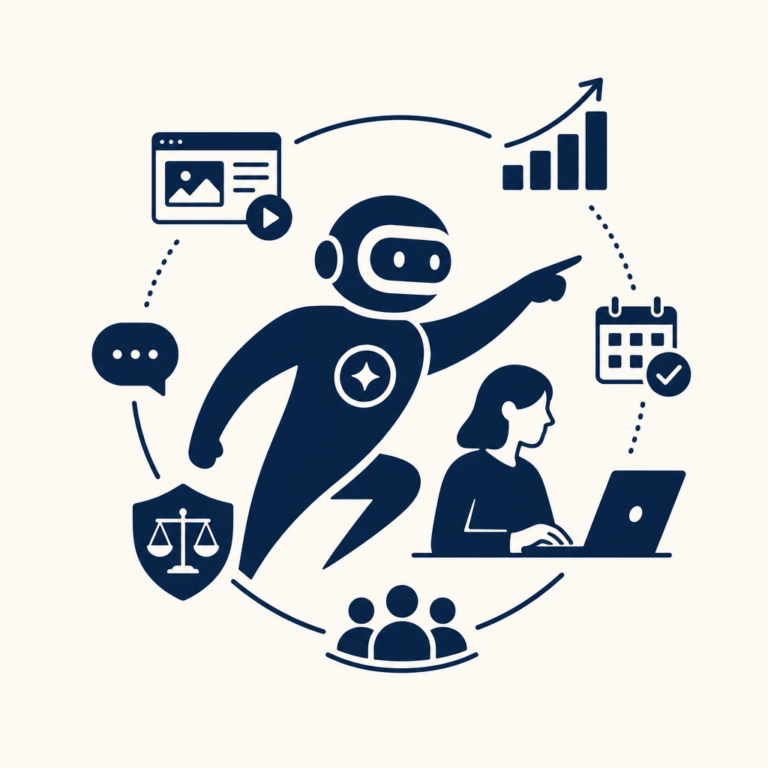
Autonomous AI is revolutionizing business operations by streamlining processes, enhancing productivity, and reducing costs. These sophisticated AI agents take on repetitive and mundane tasks, allowing human employees to focus on more strategic and creative endeavors. For instance, companies like Microsoft have integrated AI-driven tools for automated bug detection and resolution in software development, significantly decreasing time spent on problem-solving while improving product quality. Similarly, e-commerce giants like Amazon utilize AI to manage inventory and logistics more efficiently, predicting demand fluctuations with greater accuracy, which ultimately maximizes profitability.
Moreover, AI agents can analyze vast amounts of data in real-time, spotting trends and insights that would escape human professionals. A notable example is Coca-Cola, which employs AI to tailor marketing campaigns based on consumer behavior analysis, driving targeted advertising and enhancing customer engagement. Such integration not only boosts operational efficiency but also contributes to overarching business growth. The strategic deployment of autonomous AI allows organizations to optimize workflows and make data-driven decisions, setting a precedent for the future of work where human-AI collaboration is not just beneficial but essential to success in an increasingly competitive market.
Transforming Workforce Structure with AI
The deployment of AI agents within businesses is leading to a fundamental transformation in workforce structures, prompting a reevaluation of job roles and responsibilities. As autonomous AI systems take on more complex tasks, the necessity for human roles is evolving. Rather than rendering human employees obsolete, businesses are focusing on upskilling their workforce to work alongside these AI systems. This shift is enabling employees to transition into roles that emphasize emotional intelligence, critical thinking, and creative problem-solving—skills that AI currently lacks.
New job categories are emerging, such as AI trainers and ethics officers, tasked with ensuring that AI operates within ethical boundaries and aligns with organizational values. This evolution presents both challenges and opportunities; organizations must invest in continuous learning and development to equip their staff with the skills needed in an AI-enhanced workplace.
Conversely, employees who resist adapting to this new environment may find themselves at a disadvantage. Organizations that successfully integrate AI with a focus on collaborative frameworks can expect enhanced business growth, operational efficiency, and innovative prowess, ultimately forging a more dynamic and responsive workforce ready to thrive in the age of automation.
The Future of Work with Autonomous Agents
As we envision the future of work in a landscape increasingly dominated by AI agents, predictions indicate a seismic shift in how productivity and operational excellence are understood and achieved. With autonomous AI systems capable of performing tasks ranging from data analysis to complex decision-making, businesses are poised to redefine job roles and organizational hierarchies. The rise of remote working and flexible job roles will complement the integration of AI, enabling employees to collaborate with AI agents in real-time, regardless of their physical locations.
Studies show that companies leveraging AI technologies report significant improvements in efficiency and output. For instance, AI agents can automate routine tasks, allowing human workers more time to focus on strategy and innovation. However, this shift also raises concerns regarding job security, as roles traditionally held by humans may increasingly be performed by AI. Experts predict a bifurcation in the labor market—while some jobs may disappear, new roles centered around AI maintenance, oversight, and ethical governance are likely to emerge.
As we adapt to this new paradigm, the flexibility provided by AI automation will be critical in fostering a responsive and resilient workforce that thrives in an evolving economic landscape.
AI and Human Collaboration
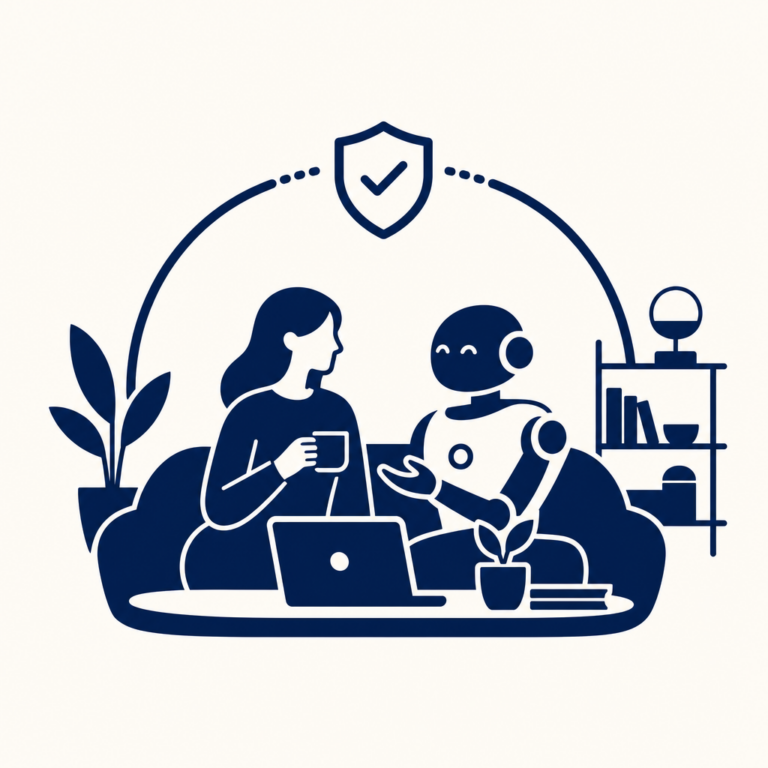
The partnership between humans and AI agents is becoming increasingly sophisticated, ushering in a new era of collaboration that enhances creativity and innovation across various industries. In creative fields, AI-driven tools now assist artists, designers, and marketers in generating content that is not only faster but also more diverse. For instance, music composition software powered by algorithms can analyze thousands of compositions to propose new melodies, while graphic design tools can create visuals based on verbal prompts. These collaborations often yield unique outcomes that blend human intuition with machine efficiency.
In digital marketing, AI agents analyze consumer behavior, enabling personalized strategies that resonate with target audiences. Brands using AI-centric marketing tools can predict trends, automate campaigns, and optimize content, enhancing business growth and operational success. Some companies have adopted AI in product development, where machine learning can simulate user interactions, inspiring more user-centered innovations.
As the landscape of human-AI collaboration continues to evolve, we may see emerging roles that leverage both human creativity and AI capabilities, promoting a richer, synergistic workflow that can redefine industries and inspire future generations of creators.
Ethical Considerations and Future Implications
The integration of AI agents in business raises critical ethical considerations that warrant careful examination. Job displacement remains a prominent concern, as the autonomous AI workforce becomes capable of executing tasks traditionally performed by humans. This shift could create a significant imbalance in the job market, necessitating strategies for workforce retraining and reskilling. As AI technologies advance, workers may need to transition to roles that require uniquely human attributes, such as emotional intelligence and complex problem-solving.
Data privacy also emerges as a critical issue. With AI’s increasing involvement in decision-making processes, businesses must implement stringent guidelines to safeguard sensitive information. Customers expect transparency regarding how their data is used and stored, making it imperative for organizations to prioritize ethical AI practices that respect user privacy.
Establishing ethical frameworks for AI deployment is vital. Companies must engage in responsible AI development, ensuring that systems are designed to augment human capabilities rather than undermine them. Collaborative approaches, integrating insights from ethicists, technologists, and employees, can foster a culture of accountability. By placing a strong emphasis on ethical considerations, businesses can harness the vast potential of AI while maintaining a human-centered approach, guiding the future landscape of work.
Conclusions
In conclusion, the rise of autonomous AI agents signals a profound transformation in business operations and workforce dynamics. While these systems promise enhanced efficiency and creativity, they also raise important ethical questions. Organizations must navigate these changes with a focus on collaboration and responsible AI usage to ensure a beneficial future for both businesses and their employees.