The AI-Powered Organization: How AI Agents are Reshaping Business Structures
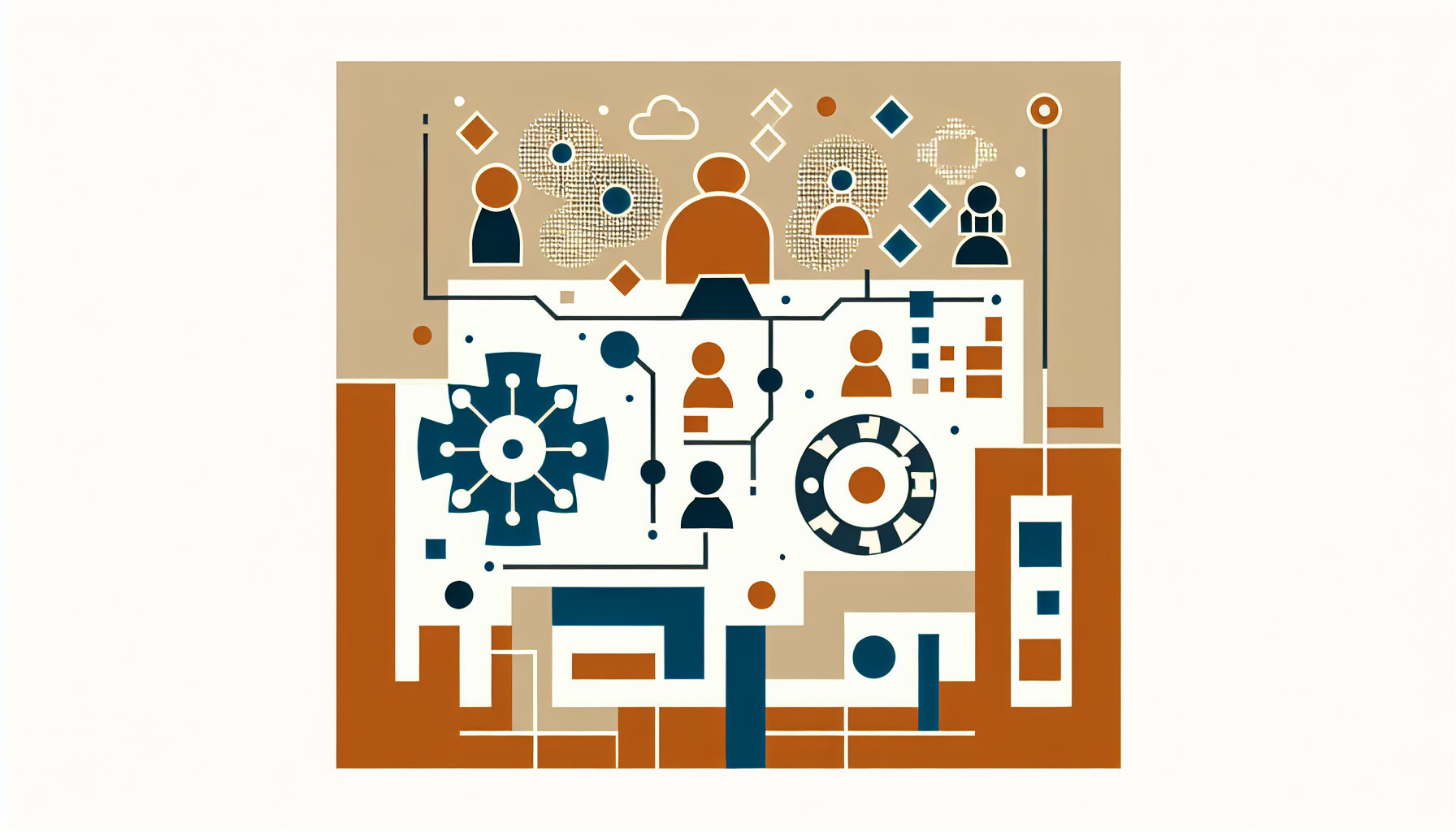
As businesses worldwide adapt to rapid advancements in technology, the integration of AI agents into organizational structures is transforming how companies function. This exploration highlights the intersection of AI and workforce dynamics, revealing both the potential benefits and challenges of implementing AI-driven solutions in the modern business landscape.
Understanding the AI Workforce
As organizations increasingly integrate artificial intelligence into their operational frameworks, the concept of business automation has gained paramount importance. AI powers processes that span various sectors, fostering a landscape where efficiency and productivity are redefined. At the forefront of this evolution is Robotic Process Automation (RPA), a technology that automates routine, rule-based tasks. By employing software robots to perform these repetitive functions, companies witness dramatic cuts in operational costs and time, ultimately streamlining workforce allocation.
Furthermore, intelligent automation—an evolution of RPA—incorporates machine learning and data analytics to facilitate more complex decision-making processes. This dual capability enriches data processing, enhancing an organization’s ability to derive insights swiftly, thus enabling proactive strategies. For example, customer service teams can leverage AI chatbots to handle inquiries, freeing human agents to resolve more complex issues, directly improving customer satisfaction levels.
This shift towards automation heralds a new dynamic in organizational structures, emphasizing operational agility and responsiveness. Ultimately, embracing business automation empowers companies to focus on higher-value activities, forging a pathway for innovation and growth in a competitive market landscape.
Business Automation and Its Impact
Business automation is rapidly becoming one of the hallmarks of modern enterprises, transforming how organizations operate through advanced technologies. AI plays a crucial role in enabling business automation, particularly through tools such as Robotic Process Automation (RPA) and intelligent automation. RPA allows businesses to automate routine tasks by using software robots to interact with existing systems, executing repetitive procedures with remarkable precision and speed. This not only enhances operational efficiency but also minimizes the risk of human error.
Intelligent automation combines RPA with artificial intelligence functionalities, enabling systems to learn from data inputs and adapt over time. This capability fosters improved decision-making processes, as it allows for the comprehensive analysis of large data sets, yielding insights that were previously difficult to obtain. By leveraging these technologies, organizations can streamline workflows, significantly reduce operational costs, and improve responsiveness to market demands.
Moreover, automation frees up human employees from mundane tasks, empowering them to focus on complex problem-solving and innovation. This shift optimizes talent utilization, ultimately enhancing productivity and fostering a culture of continuous improvement. As organizations increasingly rely on AI-driven automation, they must navigate challenges such as ensuring workforce adaptability, managing change, and aligning their AI strategy with broader business objectives.
Transforming Organizational Structures
The integration of AI within organizations fundamentally alters traditional hierarchical structures, promoting a more fluid and collaborative environment. AI agents, equipped with capabilities to process vast amounts of data and deliver insights in real-time, are steadily becoming vital components in decision-making processes. This shift challenges conventional roles, as AI tools provide executives with data-driven analyses that can surpass human judgment. As a result, the reliance on AI can lead to a flattening of hierarchies, where information travels across levels, fostering a culture of transparency and shared knowledge.
Moreover, this transformation necessitates a cultural shift within organizations, emphasizing the synergy between human intelligence and AI. A collaborative approach encourages employees to interact with AI tools as partners rather than viewing them as competitors. To maximize the potential of this AI workforce, organizations must rethink talent management strategies. Skills in data analytics, AI interpretation, and emotional intelligence are increasingly essential, shifting the focus toward continuous learning and adaptability. As businesses embrace this change, establishing an AI strategy that incorporates these evolving dynamics becomes crucial, ensuring alignment of talent, technology, and organizational goals to drive future growth.
The Future of Work in an AI Era
The integration of AI into the workplace fundamentally alters job design, skill requirements, and employee roles. As organizations adopt AI workforce solutions, traditional job functions will begin to shift. Routine, repetitive tasks may be handled by intelligent agents, allowing human workers to focus on complex problem-solving and creative tasks—a transformation that necessitates the evolution of employee skill sets.
To thrive in this new landscape, continuous learning and development become paramount. Employees must cultivate a growth mindset, embracing ongoing education and training to adapt to AI tools and platforms. Skills such as data analysis, emotional intelligence, and technological fluency will rise in prominence, enabling workers to harness AI’s capabilities effectively. Companies must invest in reskilling initiatives that empower employees to work alongside AI systems rather than in competition with them.
Moreover, as AI increasingly influences organizational dynamics, the delineation between job roles may blur. Hybrid roles that combine human insight with AI efficiency could emerge, fostering collaboration and enhancing productivity. Adapting to these changes will be crucial for organizations aiming to maintain competitiveness and support an agile workforce adept at navigating the future of work.
Crafting an Effective AI Strategy
For organizations to effectively harness AI capabilities, a robust AI strategy is crucial. **The first step is to align the AI strategy with overarching company goals**. This involves identifying specific objectives where AI can drive value, whether enhancing operational efficiency or improving customer experiences. **Next, organizations should assess their existing technological infrastructure**, determining areas that require upgrades or integration to support AI applications.
An essential component is **investing in data management**. High-quality data is the backbone of AI; thus, strategies must prioritize data integrity, accessibility, and governance. Organizations must also consider **talent acquisition**, establishing teams equipped with the necessary skill sets to implement and manage AI systems. This may include data scientists, AI specialists, and business analysts who understand AI’s strategic implications.
Moreover, it’s essential to cultivate a culture of innovation and adaptability within the workforce. **Regular training and upskilling opportunities** can help existing employees transition smoothly into AI-enhanced roles. Finally, organizations should implement a feedback loop where AI performance is continuously monitored and evaluated, allowing businesses to pivot their strategies based on insights gained from AI analytics. By weaving these elements into their core strategy, organizations can foster an effective AI-powered ecosystem that amplifies performance and drives growth.
Talent Management in the Age of AI
In the age of AI, talent management is experiencing a profound transformation as organizations recognize the need to adapt their workforce to complement AI technologies. As businesses increasingly adopt AI agents to enhance productivity and improve decision-making, the focus shifts towards nurturing human capabilities that cannot be easily replicated by machines.
Recruiting processes are evolving, with AI-driven tools streamlining candidate screening and assessments. These systems analyze data to identify the best-matched talent while minimizing biases inherent in traditional processes. Organizations must look for individuals with skills that synergize with AI, such as emotional intelligence, creativity, and critical thinking.
Retention strategies have also been reshaped, emphasizing continuous learning and development. Companies are now investing in upskilling programs that enable employees to work alongside AI tools effectively. Fostering a culture of innovation encourages employees to embrace AI as an enabler rather than a threat.
Additionally, performance evaluations must evolve to integrate metrics that assess collaborative efforts between AI and human workers. By recognizing and rewarding hybrid achievements, organizations can cultivate a workforce equipped to navigate the complexities of the AI-powered landscape. This holistic approach to talent management not only enhances operational efficiency but also promotes a more agile and resilient business structure.
Conclusions
The shift towards an AI-powered workforce represents a monumental change in organizational frameworks that challenges traditional hierarchies and talent management. As businesses navigate these transformations, embracing AI strategies will be essential for future growth, ensuring competitiveness while addressing the complexities of talent acquisition and management.