The AI-Powered Executive: Navigating Leadership in an Autonomous Workforce
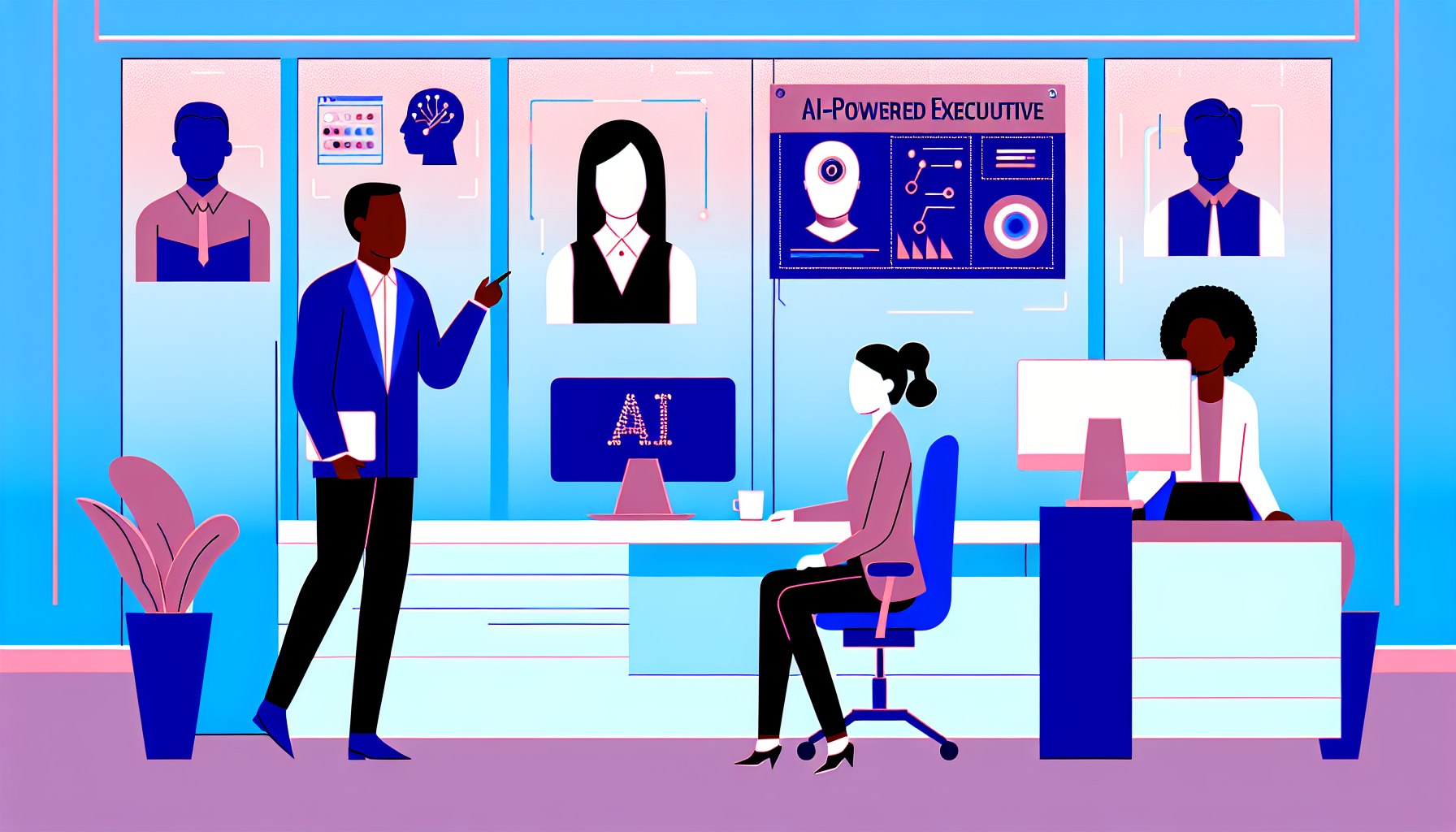
As artificial intelligence technologies continue to evolve, they increasingly intertwine with leadership roles within organizations. This article explores the transformations in executive functions driven by AI integration and the profound implications for both leaders and their teams in navigating an autonomous workforce landscape.
Understanding AI Leadership
As businesses increasingly embrace AI integration, the notion of an autonomous workforce is evolving rapidly. This concept not only redefines traditional employment paradigms but also presents significant implications for organizations. With the adoption of AI-driven solutions, companies can significantly lower labor costs while improving operational efficiency. Intelligent systems can process data, analyze trends, and automate repetitive tasks with remarkable speed and accuracy, allowing human employees to focus on strategic initiatives rather than mundane activities.
However, this transition is not without its challenges. The rise of autonomous technology inevitably leads to workforce displacement, as roles traditionally held by humans are assumed by AI systems. This shift necessitates a proactive approach to re-skilling employees, equipping them with the necessary competencies to thrive in an AI-driven environment. Organizations must invest in continuous learning opportunities and create pathways for workers to transition into roles that leverage human strengths, such as creativity, emotional intelligence, and complex problem-solving.
A balanced view on the autonomous workforce underscores the need for ethical considerations and adaptive leadership that prioritizes human dignity and engagement, ensuring that technology enhances—not replaces—the human experience in the workplace.
The Rise of the Autonomous Workforce
The concept of an autonomous workforce is rapidly reshaping the business landscape, introducing profound implications for organizations of all sizes. By leveraging artificial intelligence, businesses can significantly reduce labor costs while simultaneously improving operational efficiency. AI-powered systems are capable of performing routine tasks at a speed and accuracy beyond human capabilities, resulting in streamlined processes and enhanced productivity.
However, the rise of an autonomous workforce comes with challenges that must be meticulously addressed. **Workforce displacement** is a primary concern, as traditional roles are increasingly automated, leading to potential job losses. This dynamic necessitates a robust commitment to **re-skilling** the current workforce to prepare them for more complex, value-added tasks that machines cannot perform. Organizations will need to emphasize **continuous learning** and adaptive skill development, ensuring employees can collaborate effectively with AI rather than merely coexist with it.
Moreover, the integration of AI into the workforce pushes companies toward a broader **digital transformation**, compelling them to rethink both operational strategies and corporate culture. For human leaders, it becomes crucial to foster a collaborative environment where human creativity and AI analytics coexist, maximizing both human potential and technological advancements. As these elements converge, businesses must remain vigilant, balancing the benefits of efficiency against the imperative for ethical responsibility and workforce sustainability.
AI Executives in Action
AI executives are redefining the landscape of organizational leadership, where advanced algorithms and machine learning techniques begin to play pivotal roles in strategic decision-making. Companies like Siemens and General Electric have successfully integrated AI leadership within their operational frameworks, employing AI systems to analyze vast datasets, forecast market trends, and enhance resource allocation. This shift allows human leaders to focus on creativity and interpersonal engagements, driving innovation while leveraging AI for precision and efficiency.
Conversely, companies that lag in AI integration face considerable challenges. Traditional decision-making hierarchies can stifle responsiveness, resulting in stagnation amid rapidly evolving markets. Businesses such as Kodak, which struggled to adapt to technological changes, exemplify the pitfalls of ignoring AI advancements. Their failure to embrace automation and AI technologies contributed to a notable decline in competitiveness.
The effective integration of AI executives highlights the dual nature of today’s leadership roles, where human intuition complements AI’s analytical capabilities. The journey towards fully harnessing AI leadership involves not only technological adaptation but also a reevaluation of corporate cultures, ensuring that human-AI collaboration thrives in this transformative age. As organizations transition, the emphasis must shift to developing systems that empower AI executives while nurturing critical human skills to foster a symbiotic leadership model.
Navigating Challenges in Human-AI Collaboration
The dynamics between human leaders and their AI counterparts are complex and multifaceted, requiring a deep understanding of how they can effectively collaborate. AI excels in processing vast amounts of data, providing insights that drive informed decision-making. Its ability to analyze patterns and predict trends offers a level of precision that often surpasses human capabilities. However, leveraging these strengths demands trust and transparency between human executives and their AI systems.
One of the primary challenges lies in fostering this essential trust. Human leaders must not only comprehend the algorithms behind AI outputs but also remain critical of their own biases in interpreting these results. Collaborative decision-making is often hindered when leaders treat AI as mere tools rather than as capable partners. This necessitates an agile mindset among executives, who must embrace continuous learning to fully integrate AI’s analytical capabilities into their strategic thinking.
Moreover, as AI systems become more autonomous, human leaders must address potential gaps in judgment. The fear of overreliance on algorithms can lead to underestimating human intuition and experience. To navigate these dynamics successfully, organizations should cultivate a culture of mutual respect and continuous dialogue, ensuring that AI complements rather than replaces the human element in leadership.
Ethical Considerations in AI Integration
As organizations increasingly integrate AI into their leadership structures, ethical considerations become paramount. One pressing issue is **algorithmic bias**, which occurs when AI systems, trained on historical data, inadvertently perpetuate existing inequalities. This bias can influence critical decisions in hiring, promotions, and performance evaluations, exacerbating discrimination in the workplace. Leaders must be vigilant, regularly auditing AI systems to ensure they are fair and equitable.
Another significant concern is **privacy**. With AI collecting and analyzing vast amounts of personal data, including employee performance metrics and communications, the potential for misuse is high. Leaders face the challenge of balancing operational efficiencies gained through data with the need to protect employee privacy. Transparent data practices and robust consent mechanisms are essential to maintain trust.
Furthermore, the establishment of **moral responsibilities** for AI systems raises complex questions about accountability when decisions go awry. Should organizations be held liable for decisions made by AI executives? This ambiguity necessitates a thoughtful approach to governance that clearly delineates responsibilities between human leaders and their AI counterparts.
Navigating these ethical challenges is essential for fostering a collaborative environment where human and AI leadership can thrive together.
Strategies for Executive Development in the AI Era
As businesses transition into an era marked by AI integration, current and aspiring leaders must adapt their strategies for executive development to harness the capabilities of an autonomous workforce. First, fostering a commitment to **continuous learning** is essential; leaders should prioritize upskilling themselves and their teams in AI literacy, understanding its tools, applications, and implications for their operations.
Next, **adapting to new technologies** is crucial. Embracing a mindset that welcomes change will enable leaders to navigate the complexities of AI systems while avoiding potential pitfalls. This adaptability not only improves decision-making but also enhances the organization’s agility in responding to market shifts.
Furthermore, cultivating a **culture of innovation** within the organization is vital. Leaders should encourage experimentation and risk-taking, facilitating an environment where teams feel empowered to explore novel ideas and AI applications. This can be achieved through open communication, dedicated resources for innovation, and structured feedback loops to refine and enhance initiatives.
Lastly, leaders must actively engage in **human-AI collaboration** efforts. By valuing the unique insights of both human and AI contributions, organizations can maximize their potential, ensuring a balanced approach to leadership that acknowledges the strengths of both entities.
Conclusions
In conclusion, the intersection of artificial intelligence and leadership presents both unprecedented opportunities and significant challenges. As businesses navigate this evolving landscape, a commitment to ethical practices and effective human-AI collaboration will be vital for sustainable success in the future of work.