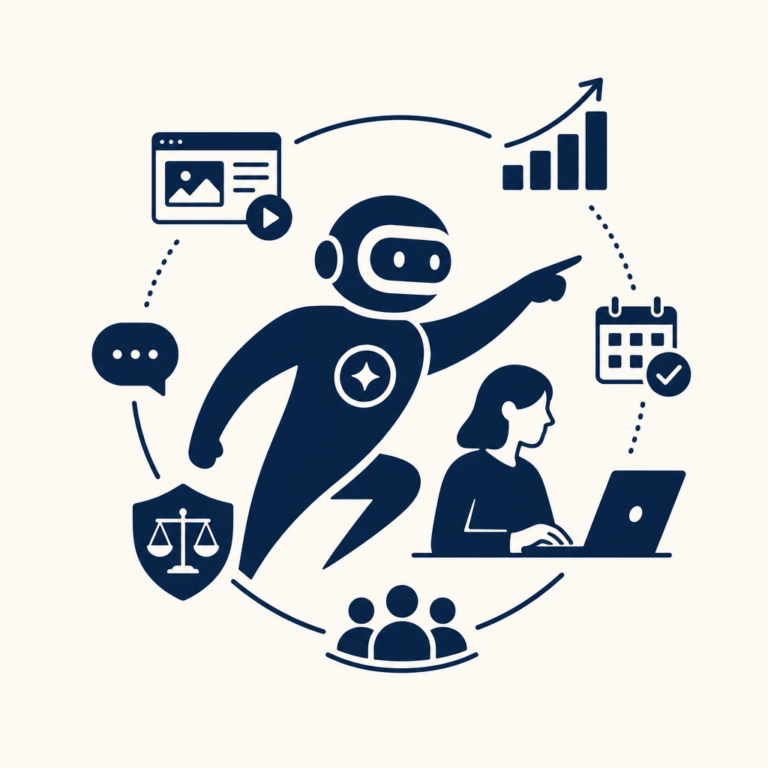
The Everything App of Tomorrow: How AI is Reshaping User Experience Across Industries

As artificial intelligence (AI) continues to advance, its integration into consumer applications is revolutionizing user experiences across various industries. This article explores the rise of the everything app, driven by AI’s capacity for personalization and efficiency, while addressing the pressing challenges of ethical development, privacy, and market dynamics.
The Rise of AI Integration
The concept of the ‘Everything App’ marks a pivotal shift in the digital landscape, driven significantly by advancements in artificial intelligence. These platforms are characterized by their multi-functionality, seamlessly integrating various services—from communication and social networking to e-commerce and digital payments—into a single user interface. AI plays a crucial role in this integration, enabling these applications to anticipate user needs through real-time analysis and predictive modeling.
Key characteristics of an Everything App include a cohesive user experience and personalized interactions. By leveraging machine learning algorithms, these applications can offer tailored recommendations and streamline user engagement. For instance, a food delivery app may suggest meal options based on previous orders and dietary preferences, while simultaneously allowing users to chat with friends and make payments—all within the same platform.
Success stories of Everything Apps, such as WeChat and Instagram, exemplify how AI capabilities enhance user experience. These applications continually evolve, using data analytics to refine functionalities and adapt to user demands, creating a comprehensive digital ecosystem. However, as these trends shape consumer technology, considerations around privacy and ethical AI development become increasingly paramount in ensuring user trust and maintaining a healthy digital landscape.
Understanding the Everything App
As we navigate an increasingly interconnected digital landscape, the concept of the ‘Everything App’ emerges as a pivotal evolution in consumer technology. These apps encapsulate a multitude of functionalities, providing users with a cohesive experience that integrates social media, e-commerce, entertainment, and more into a single platform. The seamless user experience offered by Everything Apps is largely facilitated by AI integration, which optimizes navigation and enhances usability across diverse features. For example, apps like WeChat and Super App have redefined user expectations by bundling services like messaging, ridesharing, and payment solutions, enabling users to fulfill multiple needs without switching platforms.
AI plays a crucial role in this multifunctional approach, employing machine learning algorithms that not only predict user preferences but also streamline interactions, making them more intuitive. By analyzing user behavior and contextual data, these applications can adapt to diverse demands in real-time. This integration marks a significant shift towards a more personalized and efficient user experience, addressing the growing consumer desire for convenience. However, the rapid rise of Everything Apps raises concerns, particularly around issues of ethical AI development and market saturation, challenging developers to strike a balance between innovation and user trust.
Personalized User Experiences through AI
AI is fundamentally reshaping user experiences by enabling hyper-personalization across applications. At the core of this transformation are techniques such as user behavior analysis and predictive modeling. By analyzing vast amounts of data collected from user interactions, apps can identify patterns and preferences, allowing them to tailor content and services specifically to individual users. For instance, platforms can deliver customized recommendations, enhancing user engagement and satisfaction while fostering brand loyalty.
However, the pursuit of personalization raises significant implications regarding consumer data collection and user privacy. As companies strive to create more engaging experiences, they must also navigate the delicate balance between leveraging user data and maintaining trust. Ethical AI practices become paramount in addressing these concerns, ensuring that personalization efforts do not infringe on user rights or perpetuate biases.
In an era where consumer technology increasingly relies on personalized strategies, start-ups are uniquely positioned to integrate AI capabilities, leading to rapid growth within competitive marketplaces. Nevertheless, industry trends lean towards a saturated landscape, with an emphasis on innovation necessary to cut through the noise. Understanding and addressing these complexities will be crucial for both established players and new entrants in the evolving digital ecosystem.
Transforming Industries with AI Applications
AI applications are revolutionizing various industries by streamlining operations and enhancing user experiences. For instance, in the food delivery sector, AI algorithms can analyze real-time traffic patterns and weather conditions to optimize delivery routes, ensuring food reaches consumers swiftly. This not only provides customers with increased satisfaction but also enhances the efficiency of delivery personnel.
In healthcare, AI applications are transforming patient care by facilitating personalized treatment plans. By collecting and analyzing patient data, AI can suggest tailored therapies, recommend lifestyle changes, and even predict potential health issues before they arise. This proactive approach enhances the overall patient experience and encourages engagement with their health management.
The financial services industry also benefits from AI through improved customer service. Chatbots and virtual assistants are now commonplace, providing real-time support and personalized advice without the need for human intervention. This innovation not only decreases response times but also empowers users with immediate access to financial guidance.
As AI continues to embed itself across these sectors, the integration presents a broad spectrum of applications, enhancing efficiency, user engagement, and satisfaction while prompting the need for an awareness of ethical AI practices to ensure responsible development.
Ethical AI and its Challenges
As AI integration accelerates across consumer applications, it is imperative to confront the ethical considerations that accompany this wave of digital transformation. One of the most pressing issues is algorithmic bias, which can inadvertently reinforce stereotypes and perpetuate inequalities. Tech companies must actively work to identify and mitigate these biases through diverse datasets and transparent algorithms.
Moreover, data privacy remains a cornerstone of ethical AI development. Users often provide vast amounts of personal information, and the responsibility lies with these companies to ensure that this data is securely handled and not exploited for unfair advantage. Establishing robust data governance frameworks is essential to restore consumer trust, particularly as the “everything app” concept expands.
The ethical implications also extend to the accountability of tech companies. There is a growing call for regulations that enforce responsible AI practices, ensuring that both startups and established enterprises prioritize ethical considerations in their development processes. Emphasizing ethical AI not only mitigates risks but also cultivates long-term loyalty from users who increasingly favor transparent and responsible technology. Balancing innovation with ethical responsibility is crucial for sustaining growth in this rapidly changing landscape.
Future Trends and Startup Growth
As AI continues to weave itself into the fabric of consumer technology, future trends highlight both challenges and opportunities for startups. One prominent trend is the increasing demand for personalized tech solutions, which AI facilitates by analyzing consumer behavior and preferences. Startups that harness this capability can gain traction quickly, delivering tailored experiences that resonate with users on an individual level. However, achieving this level of personalization requires a delicate balance of leveraging data while respecting privacy concerns, as previously discussed.
Market saturation looms as a considerable threat, particularly for consumer applications. As the competition intensifies, it becomes essential for startups to differentiate through innovative solutions that enhance user experiences. Emerging fields such as AI-driven assistive technologies, which cater to niche communities, are gaining traction. These solutions not only foster inclusivity but also appeal to a broader audience, offering new growth avenues.
In this rapidly evolving landscape, the importance of adaptive strategies cannot be overstated. Startups that remain agile and responsive to changing consumer needs while prioritizing ethical AI development will position themselves favorably, not just for survival but for sustained growth.
Conclusions
In conclusion, AI integration is paving the way for a future where user experiences are highly personalized and efficient. However, as we embrace this transformation, we must remain vigilant about the ethical implications and market challenges that come with data-driven technologies, ensuring a balanced approach to innovation.