Beyond Aesthetics: The Rise of Strategic Design Thinking for Business Innovation
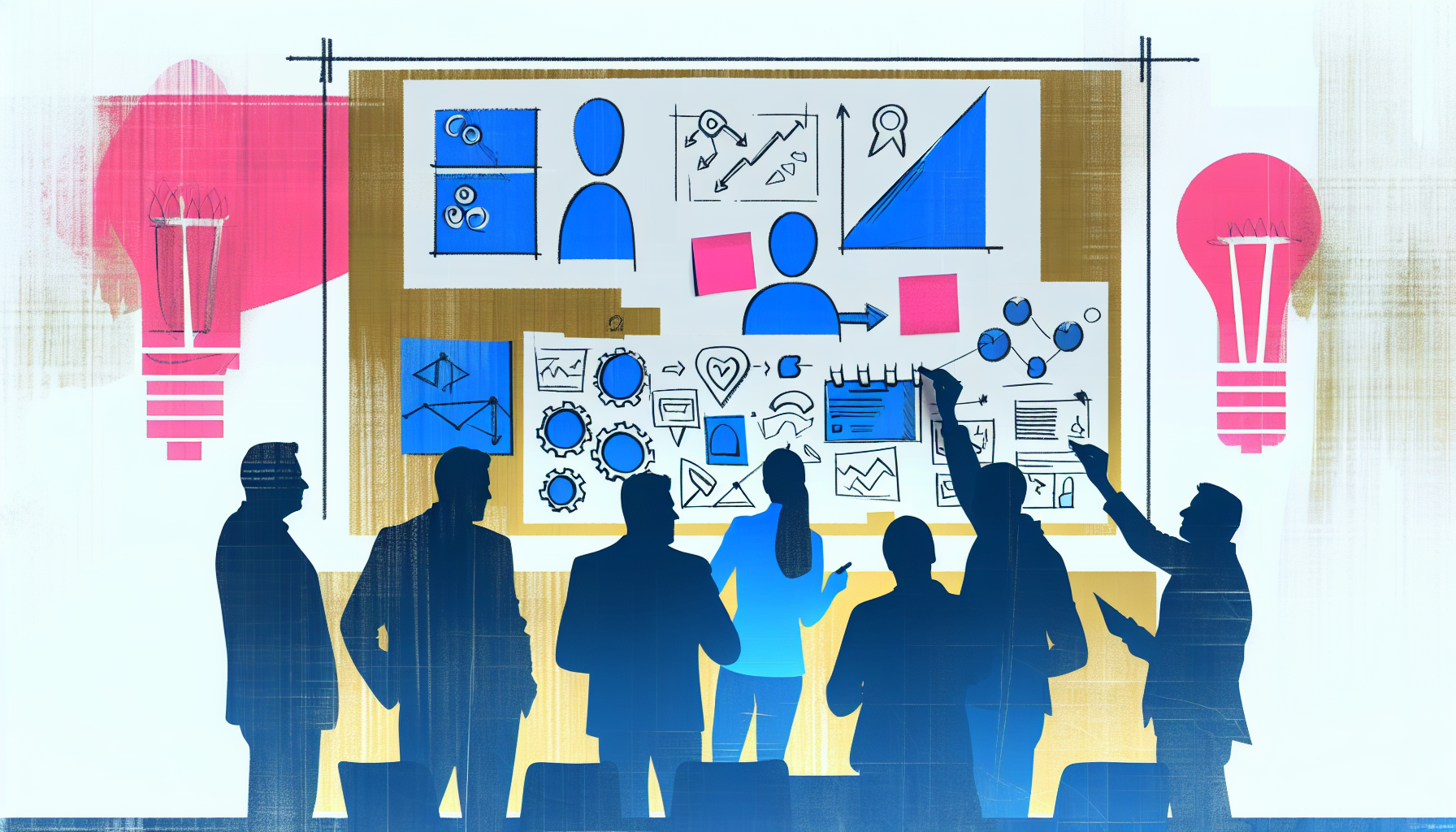
Design thinking has transformed from a focus on aesthetics to a robust strategic approach utilized in business innovation. By emphasizing creativity and user-centered design, this framework enables organizations to solve complex problems and enhance growth. This article will explore the methodologies behind design thinking and its practical applications across different industries.
The Evolution of Design Thinking
Design thinking has transformed significantly since its inception in the mid-20th century, where it primarily focused on aesthetic value and functional form in product design. Initially championed by industrial designers such as Charles Eames and later popularized by institutions like Stanford’s d.school, its approach revolved around creating desirable products with an emphasis on user experience. Over the decades, this perspective has shifted, recognizing the broader applicability of design thinking beyond aesthetics.
The advent of the digital age in the late 20th century catalyzed a dramatic expansion of design thinking into various sectors, including technology and services. In 2005, Tim Brown of IDEO articulated design thinking as a methodology integrating empathy, ideation, and experimentation, positioning it as a vital tool for problem-solving in business. The rise of user-centered design underscored the necessity for businesses to align products and services with user needs, ultimately leading to user experience becoming a cornerstone in product development.
Key milestones, such as the introduction of business model design and the popularity of agile methodologies, solidified design thinking’s role in fostering innovation and driving business growth. As a result, today, design thinking is regarded not merely as a design approach, but as a strategic framework that encapsulates creativity, problem-solving, and collaborative development, fundamentally reshaping how organizations tackle systemic challenges and embrace change.
Understanding Strategic Design
Strategic design is an evolving discipline that blends design principles with business objectives to tackle complex challenges. Unlike traditional design, which often focused on aesthetics, strategic design emphasizes creating value by aligning user needs with organizational goals. This approach demands a mindshift, viewing design as an integral part of business strategy rather than a mere supporting function.
Key tools and methodologies in strategic design include journey mapping, service design, and prototyping. Journey mapping visualizes the customer experience, helping organizations identify pain points and opportunities for innovation. Service design extends this by optimizing interactions across channels to enhance user satisfaction. Prototyping allows teams to test ideas rapidly, fostering a culture of experimentation.
Moreover, strategic design prioritizes user-centered approaches, ensuring that products and services resonate with consumers. This alignment not only resolves immediate issues but also addresses systemic challenges, positioning businesses for sustainable growth. By integrating strategic design into their operational frameworks, organizations can leverage creativity as a driver of innovation, ultimately transforming how they solve problems and develop products while achieving broader business success.
The Role of Creativity in Problem-Solving
In the realm of design thinking, creativity plays a pivotal role in effective problem-solving. By adopting a creative mindset, businesses can transcend traditional paradigms, allowing teams to approach challenges from novel angles. This creativity does not solely reside in the generation of visual or tactile aesthetics; rather, it manifests in processes that encourage exploration, experimentation, and iteration. By harnessing creative approaches, organizations can unlock innovative solutions to both apparent and intricate problems.
Creative problem-solving enables teams to transcend surface-level issues and delve into underlying causes. For instance, through brainstorming sessions or workshops that prioritize divergent thinking, businesses can cultivate an environment where unconventional ideas flourish. Techniques such as mind mapping or rapid prototyping empower teams to visualize solutions quickly, iterating on concepts that resonate with user needs.
Moreover, fostering a culture of creativity cultivates resilience against market fluctuations and emerging challenges. Businesses equipped with creative problem-solving frameworks can pivot swiftly, adapting to change while remaining aligned with strategic goals. In this landscape, creativity becomes not just an asset but a necessity—enabling organizations to thrive and innovate effectively amid an ever-evolving marketplace.
User-Centered Design Principles
User-Centered Design (UCD) principles focus on understanding and addressing the specific needs of users, ensuring that products and services resonate with their target audiences. At the heart of UCD is the belief that a deep comprehension of user behaviors, preferences, and pain points directly influences successful product development and innovation.
Incorporating user feedback into the design process can be achieved through various methodologies, including ethnographic research, interviews, and usability testing. Ethnographic research immerses designers in the user environment, revealing insights that might be overlooked through conventional feedback channels. Interviews, on the other hand, foster a dialogue that uncovers subjective experiences, allowing designers to empathize with users’ motivations. Usability testing evaluates prototypes with real users, providing critical feedback before finalizing product designs.
The significance of UCD cannot be overstated; by prioritizing user needs, businesses enhance overall customer satisfaction and loyalty, which are essential drivers of business growth. Products designed with UCD principles not only meet functional requirements but also evoke emotional connections, leading to higher engagement and brand loyalty. As a result, user-centered design serves as a catalyst for innovation, propelling businesses ahead in competitive markets.
Real-World Applications of Design Thinking
Several companies have effectively harnessed design thinking to drive innovation and achieve significant business growth. **Apple** is a prime example; its emphasis on user experience led to the development of groundbreaking products like the iPhone. By deeply understanding customer desires, Apple crafted an intuitive interface that seamlessly blended form and function, ultimately revolutionizing the smartphone industry.
Another compelling case is **Airbnb**, which faced intense competition and operational challenges early on. By employing design thinking, the founders focused not only on the user interface but also on creating an emotionally engaging experience for hosts and guests. They conducted extensive user research to identify pain points, resulting in features like user-friendly booking processes and host support systems, which accelerated their growth and market penetration significantly.
**Procter & Gamble** also leverages strategic design by employing human-centered design principles in product development. Projects like the “Swiffer” were born from in-depth consumer feedback, showcasing how understanding user needs can lead to innovative cleaning solutions. Their commitment to incorporating user insights throughout the development cycle has reinforced their market leadership, proving that methodical application of design thinking can transform products and drive sustained business success across diverse industries.
Future Trends in Business Innovation
As the business landscape evolves, several emerging trends are reshaping the role of design thinking and strategic design in fostering innovation. One significant trend is the integration of advanced technologies, such as artificial intelligence and data analytics, into the design thinking process. This fusion enhances user-centered design by providing real-time insights into consumer behavior, allowing businesses to anticipate needs and preferences.
Moreover, shifting consumer expectations demand an agile approach to product development. Organizations must prepare for rapid iterations and prototyping, relying on design thinking methodologies to foster adaptability and speed. This agility in responding to market changes will be crucial in maintaining competitive advantage.
Another trend involves the cultivation of cross-disciplinary teams that blend diverse expertise, including design, engineering, and marketing. Such collaboration not only sparks creativity but also enhances problem-solving capabilities, enabling businesses to tackle complex challenges from multiple angles.
Lastly, fostering a culture focused on continuous learning and experimentation allows organizations to stay ahead of the curve. By encouraging employees to embrace creativity and innovative solutions, businesses can nurture an environment ripe for breakthroughs, ultimately driving sustainable growth and resilience in an ever-changing market landscape.
Conclusions
In conclusion, design thinking offers a vital strategic framework that businesses can adopt for innovation and growth. By prioritizing problem-solving and user-centered design, organizations can unlock creativity and adapt to the rapidly changing market landscape. Embracing these methodologies can significantly impact business success and sustainability.