Beyond Clicks: The Rise of AI-Powered Strategic Digital Marketing

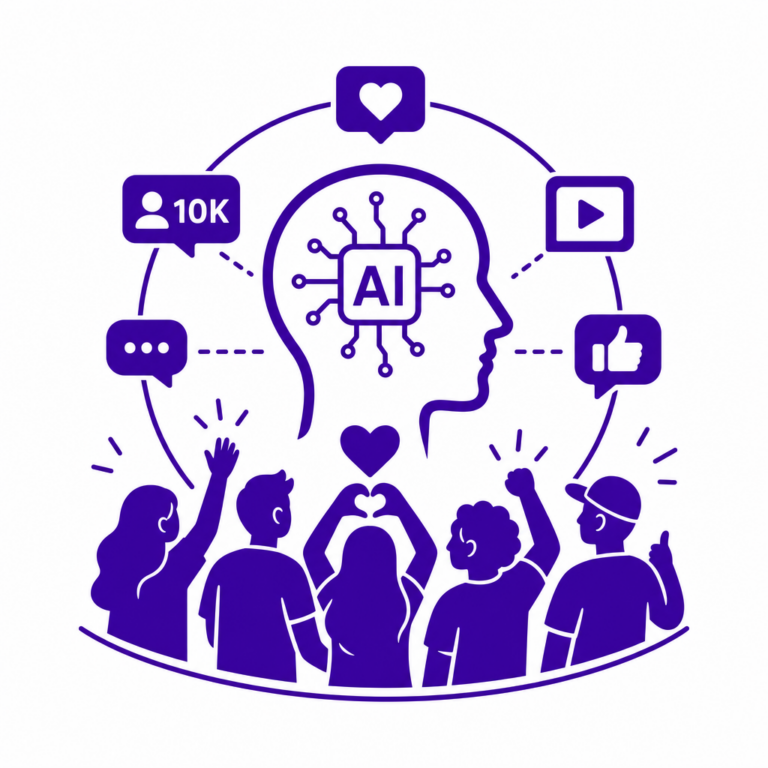
Artificial Intelligence (AI) is revolutionizing digital marketing by shifting focus from traditional tactics to strategic brand building. This transformation enhances personalization, leverages predictive analytics, and integrates marketing automation to create richer consumer experiences. Understanding these elements is essential for brands aiming to thrive in a data-driven world.
Understanding AI in Marketing
Artificial intelligence is fundamentally reshaping the landscape of marketing, transitioning from basic methodologies to sophisticated frameworks that prioritize long-term brand growth. The advent of AI technologies allows marketers to move beyond traditional tactical approaches, such as simple click-through rates, and pivot towards comprehensive strategic planning. AI algorithms synthesize vast amounts of consumer data, identifying patterns that inform not only what messages to deliver but when and how to deliver them.
With machine learning, marketers gain insights into customer preferences and behaviors, enabling them to craft personalized experiences that resonate with individual audiences. This shift toward data-driven decision-making is essential for identifying market trends, enhancing customer engagement, and ultimately building a brand’s reputation. Furthermore, AI facilitates the optimization of marketing automation tools, streamlining processes and allowing teams to focus on innovative strategies rather than repetitive tasks.
As brands evolve, the ability to harness predictive analytics provides a competitive edge. By anticipating consumer needs, businesses can engage customers proactively, fostering loyalty and encouraging long-term relationships. Thus, the integration of AI not only enhances efficiency but also drives a deeper, more meaningful connection between brands and their audiences, paving the way for sustainable growth in an ever-evolving digital landscape.
Shifting to Strategic Digital Marketing
The evolution of digital marketing has shifted from rudimentary online tactics to sophisticated strategic frameworks that emphasize long-term brand building. As the landscape grows increasingly competitive, AI empowers marketers to pivot from reliance on short-term campaigns to a holistic, strategic approach. This transformation is evident in how AI optimizes strategic planning by providing deep insights into market dynamics and consumer preferences.
With the integration of AI-driven tools, marketers can now analyze vast amounts of data, allowing for enhanced understanding of customer journeys and overall engagement strategies. This capability not only supports decision-making but also enables organizations to allocate resources more efficiently, anticipating consumer needs before they arise. Rather than firing off disparate, single-channel campaigns, brands can cultivate cohesive narratives that align with their mission and values.
Moreover, the use of marketing automation technologies, bolstered by AI, streamlines repetitive tasks and frees up creative minds to focus on strategic initiatives. By minimizing manual workloads, teams can dedicate their efforts to building relationships and fostering brand loyalty. This shift from tactical execution to strategic brand building marks a significant progression in the digital marketing paradigm, setting the stage for deeper connections and meaningful consumer interactions.
The Power of Personalization
The transformative power of personalization lies at the heart of modern digital marketing, driven significantly by artificial intelligence. By analyzing vast amounts of consumer data—from browsing habits to purchase history—AI enables brands to tailor experiences that resonate deeply with individual users. This move towards hyper-personalization enhances customer satisfaction and fosters loyalty, leading to longer-term relationships with brands.
For instance, consider how streaming platforms like Netflix leverage AI algorithms to curate customized watch lists and recommendations based on user preferences and viewing habits. This not only keeps users engaged but also encourages them to explore new content, reflecting a more profound understanding of their tastes.
Similarly, e-commerce giants like Amazon utilize AI to create personalized shopping experiences through targeted product recommendations and customized marketing messages. Such approaches yield impressive conversion rates, as consumers are more likely to engage with brands that understand their unique needs.
Through AI-driven personalization, brands are moving beyond conventional marketing strategies to create meaningful connections with consumers. This adaptive methodology aligns with the overarching trend of strategic digital marketing, leading to enduring brand loyalty and expanded market reach.
Harnessing Predictive Analytics
Predictive analytics has emerged as a vital tool for brands seeking to refine their marketing strategies through data-driven insights. By analyzing historical data, AI systems can forecast future consumer behavior, helping brands anticipate trends and customer needs with remarkable accuracy. This capability not only enhances tactical execution but also supports strategic brand building, allowing businesses to engage their target audiences more effectively.
Brands leveraging predictive analytics can identify patterns and shifts in consumer preferences, enabling them to make informed decisions about product offerings and marketing campaigns. For instance, by analyzing seasonal buying behaviors, companies can optimize inventory levels and minimize waste, ensuring that they meet consumer demand precisely when it peaks.
Moreover, predictive models can enhance customer segmentation, allowing brands to develop tailored marketing messages that resonate with specific demographics. By understanding the nuances of various customer personas, brands can deploy marketing automation tools that deliver relevant content, offers, and experiences at the right time, engaging customers in a more meaningful way.
As the digital landscape evolves, leveraging predictive analytics will be crucial for brands seeking to remain competitive and responsive. By anticipating needs and preferences, businesses can not only improve conversion rates but also foster long-term customer loyalty and satisfaction.
Building Stronger Brands with AI
Artificial intelligence is revolutionizing brand building by enhancing customer engagement and ensuring consistent messaging. By leveraging AI technologies, brands can create tailored experiences that resonate deeply with their audiences. For instance, Netflix utilizes AI algorithms to analyze viewing patterns, allowing the platform to recommend shows uniquely suited to individual preferences. This not only drives viewer retention but also reinforces the brand’s identity as a customer-centric streaming service.
Similarly, cosmetics giant L’Oréal employs AI-driven chatbots that engage with customers on social media and their website, providing personalized product recommendations based on skin type and beauty preferences. This level of engagement not only fosters a stronger connection between the consumer and the brand but also helps in delivering a unified brand voice across multiple platforms.
Moreover, AI contributes by analyzing vast amounts of customer feedback from various channels, ensuring that messaging is not only consistent but also in tune with the evolving sentiments of the audience. For example, Starbucks has integrated AI to capture customer feedback, which informs its marketing strategies and product offerings. As such, AI is not merely a tool for execution but a vital partner in the strategic development of brand identity, driving deeper connections with consumers in a meaningful way.
Ethics and the Future of Marketing Automation
As AI technology permeates marketing automation, ethical considerations become paramount. The transformative power of AI offers unprecedented capabilities, but it also raises significant concerns regarding data privacy and customer trust. Marketers must navigate a landscape where customer data fuels personalized experiences; it is vital to prioritize responsible use of AI technologies to maintain transparency and fairness in marketing practices.
Data privacy is a central issue, as consumers are increasingly aware of their information’s potential misuse. Brands must adopt stringent data protection measures and ensure compliance with regulatory frameworks, fostering a sense of security among users. Failure to do so can erode trust, driving customers away from brands that seem indifferent to ethical standards.
Moreover, the responsible use of AI necessitates the implementation of accountability mechanisms. Marketers should engage in practices that promote ethical AI, such as implementing bias checks in algorithms, ensuring decision-making processes are transparent and explainable, and advocating for policies that emphasize consumer rights. By embracing these principles, brands can cultivate stronger relationships with their audiences, ensuring that the evolution of marketing automation aligns with the values of an ethically aware consumer base. As the future unfolds, ethical marketing practices will be instrumental in sustaining brand integrity and fostering long-term customer loyalty.
Conclusions
In conclusion, AI is reshaping digital marketing, making it more strategic and personalized. Brands that embrace AI-powered tools will enhance customer engagement, improve predictive capabilities, and drive ethical marketing practices. The future belongs to those who adapt and leverage these advanced technologies effectively.