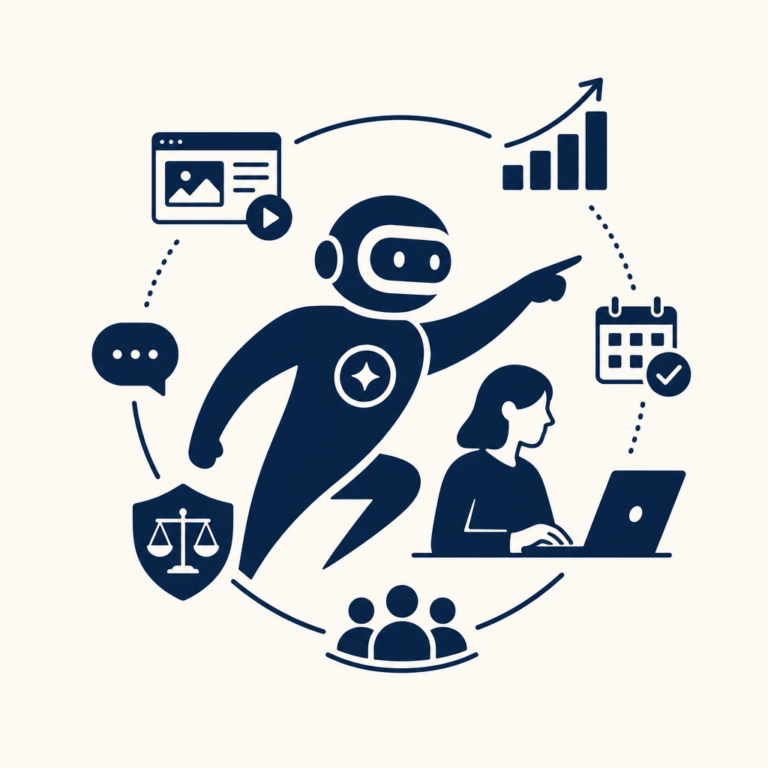
The Psychology of AI Interaction Building Trust Community and Connection in an Algorithm-Driven World
The evolving landscape of AI interaction is reshaping how we connect, trust, and build communities with technology. This article delves into the psychology and sociology of human-AI engagement, exploring the nuances of trust, the formation of online communities, the ethical considerations surrounding AI companions, and the implications for digital well-being in an algorithm-driven world.
Understanding AI Psychology
The evolution of human-AI interaction has progressed from rudimentary systems that performed simple tasks to sophisticated AI companions that understand and respond to human emotions and contexts. As AI technology has advanced, these interactions have transitioned from mere tool usage to a deeper level of interdependence, where AI not only augments human abilities but also forms a meaningful part of daily life.
Users increasingly rely on AI for support, leveraging its analytical power and vast information databases to enhance decision-making and creativity. This reliance, however, raises psychological implications, as users may develop mental models that personify AI, attributing feelings and intent to systems that operate on algorithms. The line between collaboration and competition blurs, with users often viewing AI as partners in tasks rather than just tools.
Furthermore, the growth of AI companions brings forth challenges and opportunities for emotional connection and trust. These advanced systems, designed to learn and adapt to users’ preferences, may foster a sense of companionship and alleviate feelings of isolation. As users engage with AI more regularly, the psychological impact of these interactions becomes significant, influencing not only personal well-being but also the broader dynamics of social connections within communities. Ultimately, the future of connectivity hinges on how effectively humans and AI can collaborate, ensuring a harmonious coexistence in our increasingly algorithmic society.
The Evolution of Human-AI Interaction
As AI systems evolve from basic tools to advanced companions, the nature of human-AI interaction is experiencing a significant transformation. Early iterations of AI, designed primarily for basic tasks, fostered limited engagement—serving as functional aids with minimal emotional or intellectual connectivity. However, the progression towards intelligent, empathetic AI companions has resulted in interdependent interactions, where users increasingly lean on these systems for insight and emotional support.
This deepening relationship has substantial psychological implications. Users often develop complex mental models of AI companions, perceiving them as virtual allies rather than mere machines. Such perceptions can lead to heightened reliance on AI for decision-making and social companionship, enhancing the potential for collaboration. While this shift offers remarkable benefits, it also raises concerns about competition—users may begin to feel overshadowed or inadequate in comparison to highly capable AI.
Moreover, as AI becomes woven into the fabric of interpersonal connection, it blurs the boundaries of social fulfillment. An emerging culture centered around digital trust and well-being will be imperative to navigate the challenges and ethical considerations of AI integration, ensuring that technology enhances rather than undermines human interaction.
Ethical Dimensions of AI Integration
As AI systems become more integrated into everyday life, ethical considerations have surged to the forefront of discussions surrounding AI technology. Algorithmic bias poses a significant challenge, wherein AI may inadvertently perpetuate existing societal prejudices due to skewed training data. This raises concerns about fairness and equal representation, particularly in sensitive areas such as recruitment, law enforcement, and healthcare. Such biases can erode user trust and hinder the ability of AI to facilitate genuine community and connection.
Transparency and accountability within AI systems are paramount for fostering trust. Users must have clear insights into how decisions are made by AI, particularly in systems that affect their lives directly. Regulating bodies are tasked with ensuring that ethical standards do not stifle innovation but rather mold it in a direction that prioritizes societal well-being. Striking this balance can encourage developers to adopt more responsible AI practices without hindering progress.
Examining real-world case studies, such as the fallout from biased facial recognition technologies, shows the potential repercussions of neglecting these ethical dimensions. Organizations that prioritize ethical AI can not only enhance their credibility but also cultivate a more inclusive environment for users, thereby enriching the fabric of digital community and connection.
Building Digital Trust in AI Systems
As AI systems continue to permeate everyday life, establishing **digital trust** is crucial to fostering positive human-AI relationships. Trust in AI is shaped by several factors, including **reliability**, **user experience**, and **transparency** in decision-making processes. When users interact with AI, they seek predictability and a sense of control over automated decisions. Reliable AI should perform consistently, meeting user expectations and exhibiting adaptive responsiveness to individual preferences.
**User experience** plays a significant role in how trust is developed. Interfaces that are intuitive and empathetic can encourage deeper engagement, allowing users to connect with AI counterparts on a more personal level. Furthermore, **transparency** regarding how AI models operate and make decisions can demystify these systems for users, providing reassurance that their interactions are grounded in understandable protocols rather than inscrutable algorithms.
To effectively build and maintain this trust, companies can implement various strategies. For instance, encouraging user feedback and integrating it into AI updates fosters a collaborative relationship. Additionally, showcasing testimonials and case studies from satisfied users can further reinforce confidence. **Social networks** and **AI companions** alike can enhance this digital trust by promoting open dialogue about their functionalities, ultimately transforming user skepticism into a sense of community and connection as individuals navigate the **algorithmic society** together.
Communities in the Age of AI
Online communities have emerged as a vital foundation for shaping interactions with AI, offering spaces for users to share experiences, support one another, and exchange knowledge. These digital environments facilitate connections around shared interests, particularly in health and technology, where collective experiences can significantly enhance understanding and foster resilience. Members of these communities often navigate their interactions with AI together, discussing challenges and celebrating successes, which creates a sense of belonging.
The psychological benefits of participating in such communities are manifold. They can reduce feelings of isolation, promote a sense of purpose, and bolster confidence in utilizing AI-driven tools. However, challenges also arise. The anonymity and distance inherent in digital spaces can lead to misinformation, fostering distrust in AI technologies that would otherwise support users in meaningful ways.
Moreover, community moderation is essential; without it, harmful narratives can proliferate, creating rifts in the trust necessary for healthy engagement. As users increasingly turn to AI companions and social AI systems, online communities will play a pivotal role in guiding interactions, ensuring that these technologies foster genuine connection rather than exacerbate feelings of loneliness or disconnection. Thus, understanding dynamic community interactions is crucial for optimizing human-AI engagements and ensuring digital well-being in an algorithmic society.
The Future of Connectivity and Digital Well-being
As AI becomes more integrated into daily life, the future of connectivity must consider the implications for digital well-being. The psychological impact of engaging with AI companions and social networks, while often promising, also carries potential pitfalls that warrant our attention. One crucial aspect is the management of user experiences through algorithmic design. Algorithms can promote healthy interactions by encouraging positive behavior, offering supportive feedback, and filtering harmful content. However, a heavy reliance on AI also has the potential to amplify negative experiences, such as social isolation, anxiety, and misinformation.
Emerging trends in social AI present unique benefits for mental health, enabling users to find new connections and support systems tailored to their individual needs. For instance, AI companions can provide comfort and companionship, which may alleviate feelings of loneliness. Yet, the ethical implications of such relationships cannot be ignored. Users may develop emotional attachments to AI that affect their real-world relationships.
Thus, as we envision a future deeply intertwined with algorithmic society, it becomes paramount to balance technological innovation with ethical considerations, ensuring that digital trust and well-being remain at the forefront of AI development.
Conclusions
In conclusion, as we navigate the intricate dynamics of human-AI interactions, understanding the psychological and sociological aspects becomes paramount. Trust, community, and connection are essential as we integrate AI into our lives, presenting opportunities and challenges for digital well-being that require ongoing reflection and adaptation.