Beyond Pixels: Strategic Design Thinking for Business Innovation and Growth

In an era characterized by rapid transformation and complexity, design thinking has emerged as a vital approach to foster innovation and address business challenges. This article delves into the strategic value of design thinking, exploring its applications across industries, the significance of enhanced user experiences, and its role in driving sustainable growth through creative solutions.
Understanding Design Thinking
In the current landscape of business development, strategic design plays a pivotal role in aligning creative vision with overarching business goals. This approach moves beyond aesthetic considerations; rather, it integrates functional design with market needs, enhancing customer engagement and competitive positioning. Effective strategic design empowers organizations by fostering innovation through the systematic application of creative processes.
For instance, companies like Airbnb and Uber have leveraged strategic design to redefine their industries, creating user-centric experiences that prioritize convenience and accessibility. Airbnb’s intuitive platform design not only simplifies the booking process but also enhances user trust through community-driven insights. Similarly, Uber’s design integrates real-time data and user feedback, ensuring a seamless experience that anticipates user needs.
The healthcare sector offers another compelling example, where organizations like IDEO have transformed patient care through strategic design thinking. By empathizing with patients and healthcare providers, they create solutions that streamline processes and improve experiences, showcasing the potential of strategic design to address complex challenges.
Through these examples, it is evident that effective strategic design is integral to successful business transformation, offering sustainable growth by fostering innovation and enhancing user experiences in diverse industries.
The Role of Strategic Design in Business
Strategic design plays a pivotal role in aligning business objectives with innovative solutions, often serving as the bridge between creativity and practicality. By integrating design principles into business strategy, companies can not only enhance their offerings but also significantly improve user experiences. This alignment fosters a culture of innovation, leading to sustainable growth and a competitive edge in the marketplace.
For instance, the case of Airbnb illustrates the transformative power of strategic design. Originally struggling with user engagement, they adopted a design-centric approach to revamp their platform. By focusing on seamless user experiences and aesthetic appeal, they not only enhanced customer satisfaction but also increased their market penetration, resulting in substantial growth.
In the automotive industry, Ford has employed strategic design to reinvent its product development processes. By utilizing design thinking to better understand consumer needs, they successfully launched innovative vehicles that resonate with modern users, leading to increased sales and brand loyalty.
These examples underline the critical importance of strategic design in business transformation. When businesses embrace design as a core component of their strategy, they unlock creative solutions that address complex challenges while simultaneously driving user-centric innovations.
Fostering Innovation through User Experience
In today’s competitive landscape, fostering innovation through user experience has become increasingly critical. A user-centric approach not only addresses immediate needs but also uncovers deeper insights that can lead to transformative solutions. By prioritizing the end-user in the design process, businesses can create products and services that resonate more effectively, driving satisfaction and loyalty.
Methodologies such as ethnographic research and usability testing are essential for gathering user feedback. Engaging with users through interviews and observation allows companies to identify pain points and desires that may not be immediately apparent. Integrating these insights into the design process fosters creativity, enabling teams to brainstorm and prototype solutions that address real-world challenges.
Companies like Airbnb and Apple exemplify the success derived from an unwavering commitment to user experience. Airbnb’s continuous enhancement of its platform, guided by user feedback, has streamlined booking processes and personalized travel experiences. Similarly, Apple’s focus on intuitive design has set industry benchmarks, making technology accessible and enjoyable.
By measuring user satisfaction and behavior—through metrics such as Net Promoter Score (NPS) and user engagement—businesses can evaluate the effectiveness of their innovations, ensuring alignment with user needs and paving the way for sustained growth.
Applying Design Thinking to Problem Solving
Applying design thinking as a problem-solving framework empowers organizations to tackle complex business challenges with creativity and resilience. By emphasizing empathy and iterative processes, teams can cultivate environments that prioritize user needs while adapting solutions over time. For instance, a notable example can be found in Airbnb’s approach to enhancing their platform. By leveraging design thinking principles, they uncovered key pain points in user experience, leading to targeted innovations that transformed how hosts and guests interact, ultimately driving significant growth.
To implement design thinking, organizations can utilize a variety of tools such as empathy maps, journey maps, and rapid prototyping. These tools facilitate a deep understanding of customer experiences, enabling teams to identify core problems and iterate on solutions. The iterative nature of design thinking encourages experimentation; teams can embrace failures as learning opportunities, iterating until sustainable solutions emerge.
Furthermore, by embedding design thinking into an organization’s operational processes, cross-functional collaboration flourishes. This collaboration fosters a culture where feedback is valued, leading to creative solutions that align closely with user needs. Effectively integrating these principles not only addresses immediate challenges, but also sets the groundwork for enduring growth and adaptability in an ever-evolving business landscape.
Business Transformation through Design Integration
Incorporating design thinking into business transformation fosters an ecosystem ripe for innovation and growth. By embedding design thinking principles into corporate culture, organizations can effectively break down silos and promote cross-functional collaboration. To achieve this, companies must prioritize training and development, ensuring that leadership and employees at all levels are equipped with the tools to engage in adaptive thinking.
One successful example is the transformation of Airbnb, which shifted its focus from merely providing accommodation to enhancing the entire user experience. This shift was facilitated by deep user empathy and an iterative design process that encouraged continuous feedback and adjustment. As a result, the company not only differentiated itself in a competitive market but also enhanced customer loyalty and satisfaction.
Embedding design thinking also means integrating it into processes, from product development to marketing strategies. Companies can employ techniques like journey mapping to understand user touchpoints better and create tailored solutions. This strategic approach fosters an environment where creative solutions flourish, ensuring businesses remain relevant amid rapid change. By prioritizing design thinking, organizations can harness the potential for significant transformative growth, driving long-term success and sustainability.
Future Trends in Design Thinking and Business Growth
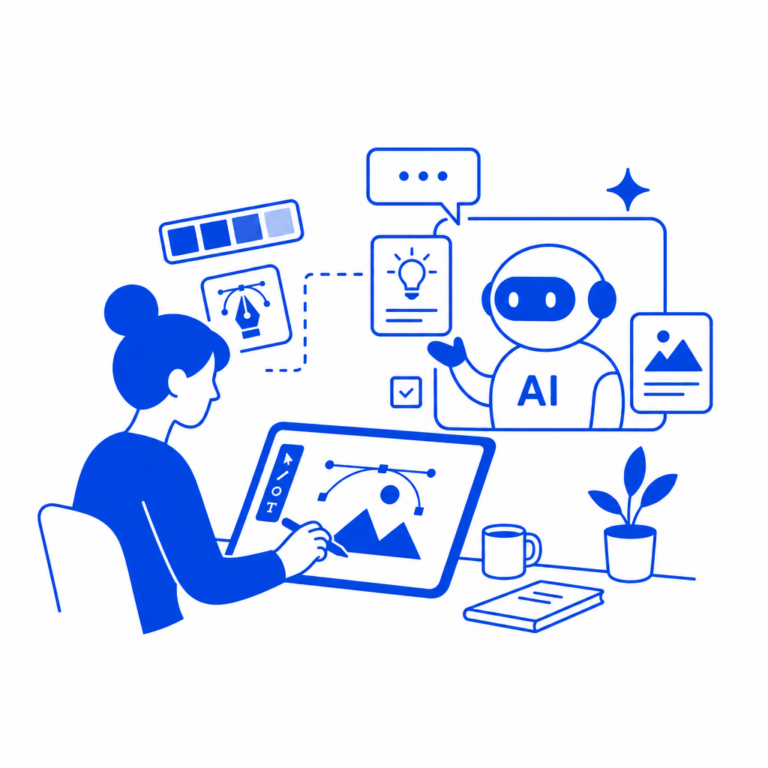
As we look forward, the realm of design thinking is evolving, driven by rapid advancements in technologies such as artificial intelligence and data analytics. These tools are reshaping the way businesses approach problem-solving, enabling them to derive deeper insights into user experiences and behaviors. Companies can leverage AI to analyze vast datasets, revealing patterns that inform the design process and enhance creative solutions tailored to market needs.
Moreover, as user expectations rise, businesses are increasingly adopting a forward-thinking approach that integrates technological capabilities with design thinking principles. This synergy not only fosters innovation but also helps organizations stay agile in response to shifting market dynamics. For instance, by utilizing predictive analytics, businesses can preemptively address challenges, turning potential obstacles into opportunities for growth.
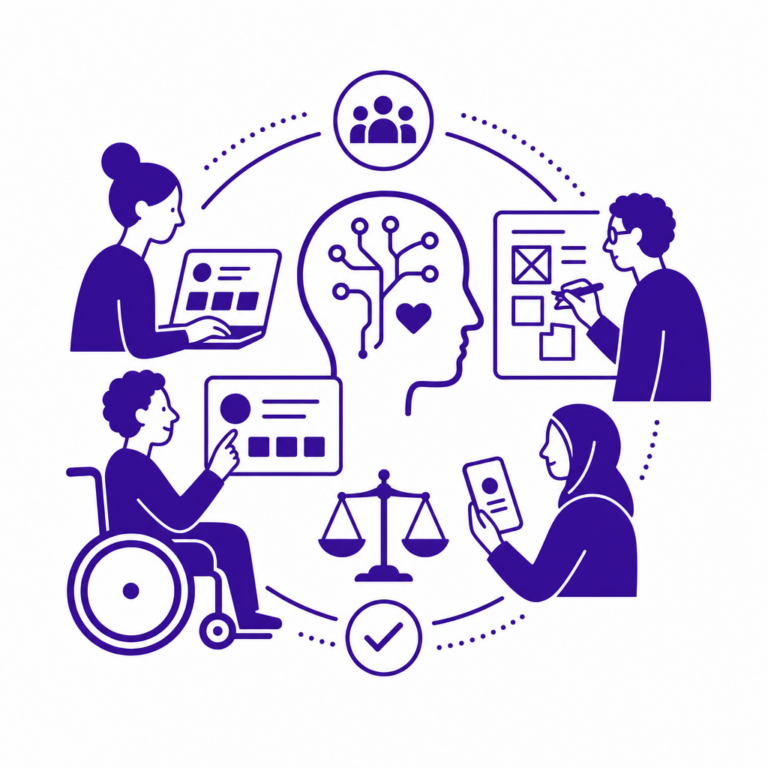
Sustainability and ethics are becoming central themes in future design thinking methodologies. Companies that prioritize responsible design practices will not only meet regulatory expectations but will also resonate more with conscientious consumers. By embedding sustainability into their growth strategies, organizations can differentiate themselves and build lasting relationships with their user base. Embracing these trends will require a commitment to continuous learning and adaptation, aligning business models with emerging values and technologies while enhancing user experience and driving sustainable growth.
Conclusions
As businesses navigate a constantly evolving landscape, embracing design thinking can unlock new pathways to innovation and growth. By integrating strategic design methodologies into business models, companies can enhance user experiences, solve complex problems, and drive transformation, ensuring their competitiveness and sustainability in an increasingly dynamic market.