The Next Wave of Sustainable Startups: Disrupting Industries from Mobility to Energy
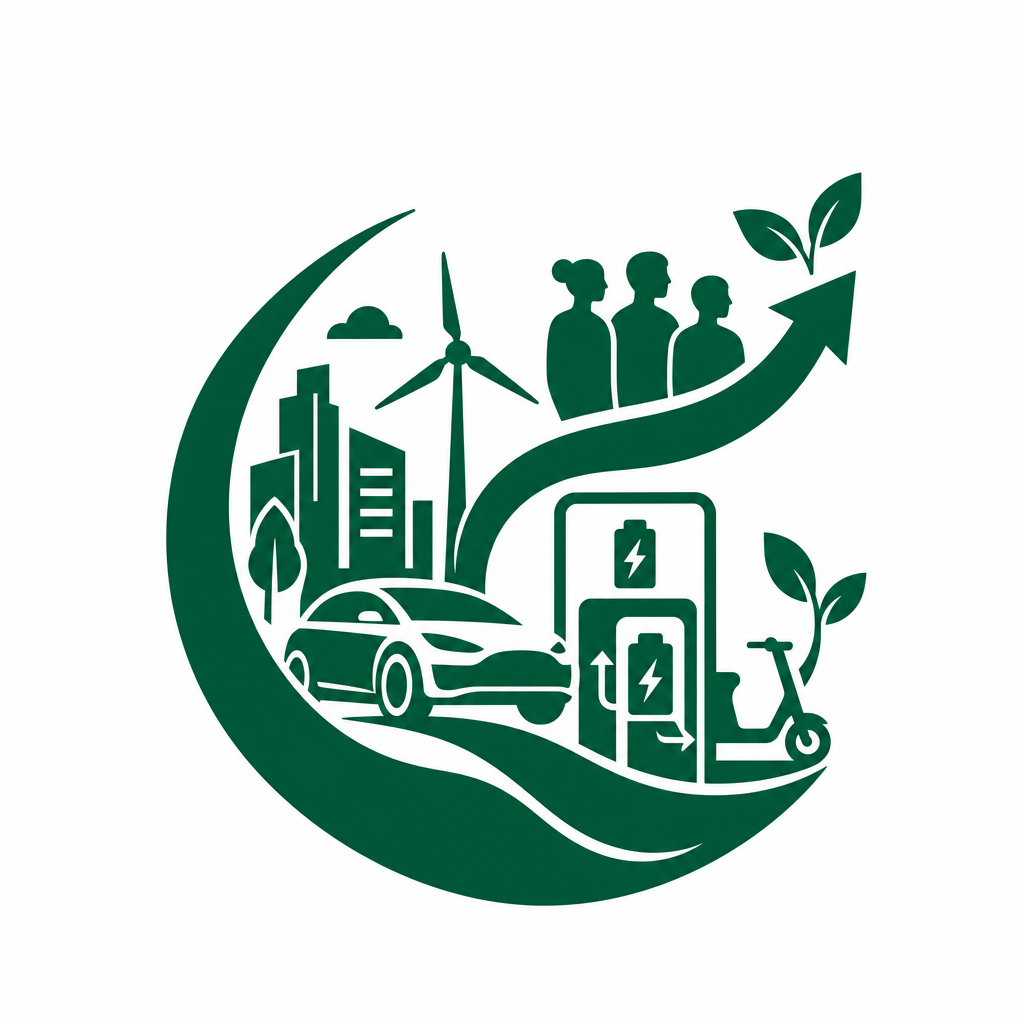
As the global demand for sustainable solutions rises, a new wave of startups is emerging, fundamentally disrupting industries from mobility to energy. These innovative companies are harnessing green technology to revolutionize sectors such as electric mobility, battery technology, and eco-innovation. This article delves into the key trends and breakthroughs driving this transformation.
The Rise of Sustainable Startups
The growing momentum in electric mobility is reshaping our transportation landscape, and it’s largely fueled by a wave of innovative startups at the forefront. These companies are not only designing advanced electric vehicles (EVs) but are also developing comprehensive solutions to enhance charging infrastructure and smart transportation systems. With the automotive industry facing increased pressure to reduce emissions, startups are stepping in to drive change fiercely.
Recent advancements in battery technology, such as solid-state batteries and fast-charging capabilities, are pivotal for this transformation. Entrepreneurs are crafting vehicles that promise longer ranges and shorter charging times, making EVs more practical and appealing to consumers. Moreover, the emergence of battery swapping models has simplified energy management for users, significantly reducing downtime and eliminating ‘range anxiety.’
Government incentives also play a critical role, encouraging both startups and larger companies to invest in electric mobility. These regulations often favor sustainable practices, benefiting entrepreneurs focused on eco-innovation. As these startups continue to disrupt the traditional automotive sector, they pave the way for a sustainable future that’s well-aligned with shifting consumer values and climate action initiatives. The convergence of technology and environmental consciousness is steering the EV market into a new era of growth and opportunity.
Innovations in Electric Mobility
The transformation in electric mobility is driven by a confluence of innovations aimed at reducing emissions and fostering a sustainable future. Startups are at the forefront of this movement, developing advanced electric vehicles (EVs) that outperform traditional combustion engines in efficiency and emissions reduction. These newer models utilize lighter materials and cutting-edge aerodynamics, effectively enhancing range and performance while minimizing their environmental footprint.
In tandem with the proliferation of EVs, the development of robust charging infrastructure is essential. Startups in this space are innovating with fast charging solutions, strategically placed charging stations, and smart grids that optimize energy use. The integration of renewable energy sources into charging stations exemplifies the commitment to sustainable energy practices. Moreover, these companies are leveraging digital platforms that enable real-time monitoring and management, enhancing user experience and accessibility.
Government incentives continue to fuel EV adoption, with subsidies and tax benefits for consumers and manufacturers alike. Market leaders like Tesla and newer entrants such as Rivian are benefitting from this supportive environment, cementing electric mobility as a crucial aspect of future transportation ecosystems. Startups are cultivating a vibrant landscape where eco-innovation thrives, transforming both urban and rural mobility.
Battery Swapping Technologies
Battery swapping technologies are emerging as a pivotal innovation within the electric mobility landscape, addressing several critical pain points for electric vehicle (EV) users. Startups are spearheading developments in this area, creating networks of battery swapping stations that allow EV drivers to replace depleted batteries with fully charged ones in just a matter of minutes. This technology significantly reduces downtime compared to conventional charging methods, alleviating the common concern of range anxiety among potential EV users.
One notable example is NIO, a Chinese EV manufacturer that has successfully rolled out a network of battery swap stations, enabling users to swap batteries in under five minutes. Another example is Gogoro, a Taiwanese startup that has created a robust ecosystem for electric scooters through its battery swapping model, which has garnered widespread adoption across urban centers.
However, challenges persist. The standardization of batteries remains a significant hurdle, as disparate designs could hinder interoperability and scalability. Furthermore, logistical complexities around station placement and maintenance need addressing to ensure user accessibility and convenience.
As startups continue to innovate in battery swapping technologies, they are contributing to a more efficient and user-friendly electric mobility experience, setting the stage for a robust future in sustainable transportation.
Eco-Innovation Across Sectors
As startups continue to innovate in electric mobility, a broader wave of eco-innovation is reshaping various sectors, greatly contributing to a sustainable future. Renewable energy ventures are at the forefront of this transformation, with startups harnessing solar, wind, and hydropower technologies that enable clean energy generation while reducing dependence on fossil fuels. Companies are developing energy storage solutions that optimize electricity usage and lower operational costs, making renewable sources more accessible and effective.
Sustainable agriculture has also gained traction, with startups introducing technologies like vertical farming and precision agriculture, which enhance crop yield while minimizing resource wastage. These innovations ensure that food production adheres to eco-friendly practices, gleaning more from the earth without depleting its resources.
In the realm of waste management, startups focus on cutting-edge recycling methods and waste-to-energy systems. These initiatives not only tackle pollution but also support a circular economy by encouraging the reuse of materials, thus reducing landfill dependence and closing the loop on waste.
By integrating these sustainable practices, startups drive business growth, proving that eco-innovation leads directly to profitability while diminishing their environmental impact. This multidimensional approach underscores how diverse sectors can collaborate to forge a sustainable future.
The Role of Startup Ecosystems
Startup ecosystems play a critical role in nurturing sustainable enterprises, offering a rich blend of resources, expertise, and networking opportunities essential for innovative growth. **Venture capital** firms are increasingly channeling funds into **climate tech** startups, recognizing the potential for disruptive technologies in sectors such as electric mobility and battery solutions. These investments not only fuel growth but also foster a competitive landscape that drives further innovation.
**Incubators and accelerators** are pivotal in this ecosystem, providing tailored mentorship, shared resources, and access to a network of industry experts. They help startups refine their business models, connect with potential partners, and navigate the complexities of bringing sustainable products to market. Geographic hubs like Silicon Valley, Amsterdam, and Shenzhen are becoming hotbeds for **green tech** innovation, where collaborative efforts between entrepreneurs, corporations, and government bodies foster an ideal environment for sustainable startups.
Moreover, the collaboration among community stakeholders is essential for overcoming barriers to entry. By leveraging their strengths, these actors can create synergies that advance eco-innovation. **Startup ecosystems** not only accelerate the growth of sustainable enterprises but also cultivate a culture of sustainability that transcends individual sectors, setting the stage for a greener future.
Investment Trends and Future Outlook
Investment in sustainable startups has surged dramatically in recent years, reflecting an increasing prioritization of climate tech and green initiatives by venture capitalists and institutional investors. In 2023, global investment in this sector is projected to surpass $100 billion, driven by a robust appetite for electric mobility solutions, innovative battery technologies, and eco-friendly transportation alternatives. Investors are keenly aware of the pressing need for disruptive technologies that address environmental challenges.
However, with opportunity comes complexity. Startups in the green tech space face regulatory hurdles that could delay product rollouts and inflate costs. Navigating these regulations requires agility and expertise, which many emerging companies are still developing. Furthermore, competition is intensifying, with traditional automotive and energy companies increasingly blending into the sustainable landscape, raising the stakes for innovative startups.
Despite these challenges, the outlook remains optimistic. The confluence of technological advancement, consumer demand for sustainability, and regulatory shifts favoring green initiatives creates a fertile ground for business growth. The venture capital community is not only supportive; it is actively seeking startups capable of redefining industries across mobility and energy, signaling a likely expansion of this dynamic ecosystem.
Conclusions
In conclusion, the rise of sustainable startups signals a significant shift towards a greener economy. With advancements in electric mobility, innovative battery solutions, and supportive ecosystems, these enterprises are not only addressing climate change but also creating profitable business models. Embracing this wave of eco-innovation is essential for a sustainable future and economic growth.