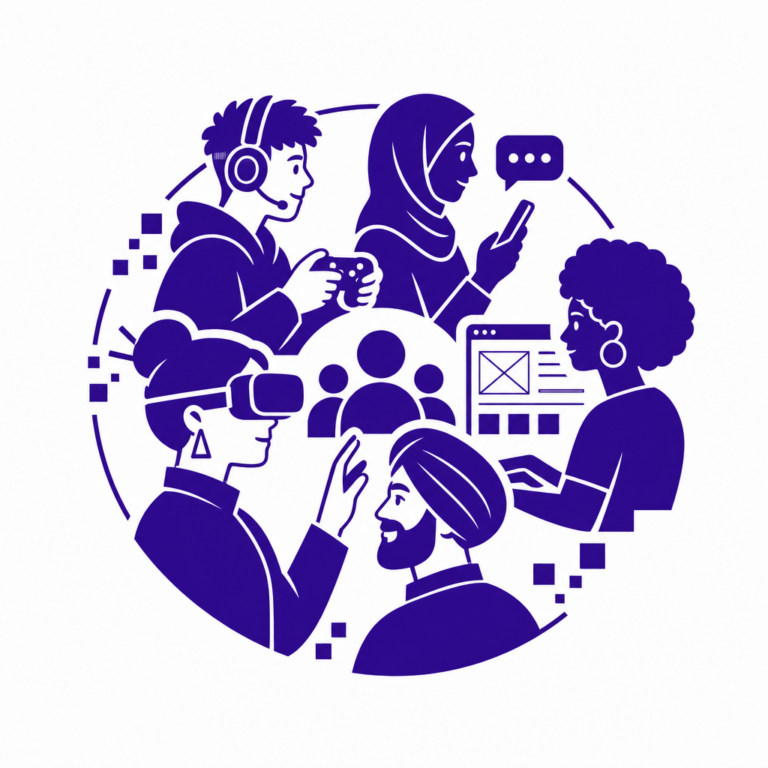
Designing with Empathy: How AI is Forging a Path for Truly Inclusive Digital Experiences

The intersection of artificial intelligence and inclusive design is reshaping digital experiences. This article examines how AI not only enhances user personalization but also addresses vital issues of diversity, equity, and inclusion. By leveraging innovative technologies, designers can create more empowering, representative, and empathetic digital environments that cater to a varied audience.
Understanding AI and Inclusive Design
AI-driven personalization is revolutionizing user experience by tailoring digital interactions to meet the unique preferences and needs of each individual. By analyzing user data and behavior patterns, AI can dynamically adjust content, interfaces, and functionalities to resonate with diverse audience segments, enhancing engagement and satisfaction. This process is not merely about delivering recommendations; it encompasses understanding cultural nuances, accessibility requirements, and personal interests.
For instance, e-commerce platforms utilize AI algorithms that learn from shopping behaviors to suggest products that align with a user’s style or cultural background, thereby creating a more relevant experience. Streaming services harness viewer habits to curate personalized content libraries, fostering a sense of belonging as users encounter shows and films that reflect their identities.
Moreover, AI-driven personalization promotes inclusivity by ensuring that users from various backgrounds find digital environments welcoming and relatable. When users see themselves represented in the content they consume, it enriches their experiences and establishes a deeper connection with the platform. This approach not only improves user satisfaction but also drives retention, illustrating how effective personalization through AI contributes to equitable digital landscapes where everyone feels valued and understood.
The Role of Personalization in User Experience
As AI technology continues to evolve, its ability to tailor user experiences through personalization emerges as a critical component of inclusive design. By leveraging user data and behavior patterns, AI can create unique content and interface interactions that resonate deeply with individual users. This personalized approach does more than enhance functionality; it fosters a sense of belonging by presenting relevant experiences that reflect users’ identities, values, and preferences.
For instance, platforms like Netflix and Spotify employ sophisticated algorithms to analyze user interactions, enabling them to recommend personalized content that aligns with individual tastes. Similarly, e-commerce sites use AI to curate product suggestions based on browsing history and shopping patterns, accommodating diverse interests and cultural backgrounds. Such implementations not only improve user satisfaction but also encourage engagement among users who might otherwise feel overlooked in a one-size-fits-all model of design.
Understanding user data is paramount for AI-driven personalization to be effective and ethical. Informed by analytics while respecting privacy, this trust is essential in crafting interfaces that are not just functional but also empathetic. Ultimately, AI-enhanced personalization serves as a bridge to more inclusive digital landscapes, empowering users and ensuring they feel seen and valued in their interactions.
Ethical AI and Its Impact on Digital Equity
The intersection of ethical AI and digital equity is crucial for fostering inclusive digital experiences. AI algorithms, often trained on biased datasets, can inadvertently propagate stereotypes and reinforce inequitable outcomes. These biases can result in disenfranchising certain user groups—especially marginalized communities—by delivering content that fails to represent their voices or experiences. To combat this, it is essential to prioritize the development of diverse teams in the AI design process. An array of perspectives ensures a more comprehensive understanding of user needs and reduces the risk of cultivating bias in AI systems.
Mitigating bias begins with scrutinizing data inputs to ensure they are reflective of the varied user demographics. Employing ethical AI practices means actively seeking out gaps in representation and addressing them, which ultimately leads to greater digital equity. For instance, developing algorithms that prioritize fairness can create interfaces that adapt to the unique requirements of different users, enhancing the overall user experience. By committing to responsible AI development, designers can create digital environments that empower all users, fostering a sense of belonging and enhancing participation across diverse communities.
Content Generation for Representative Experiences
The advent of AI in content generation is revolutionizing the creation of inclusive digital experiences. By leveraging sophisticated algorithms, AI can produce diverse imagery, language, and narratives that resonate with varied audiences. For instance, AI tools can analyze linguistic patterns across cultures to generate marketing copy that feels authentic to specific demographics, thus elevating marginalized voices.
One notable example is the use of AI in generating illustrations that reflect broader societal diversity. Platforms that previously relied on stock images are now utilizing AI to create unique visuals that include representation of different ethnicities, body types, and cultural attire. This not only combats the one-dimensional portrayal of people but actively enriches users’ experiences.
Moreover, AI-generated content can challenge stereotypes by presenting narratives that highlight the complexities of underrepresented communities, rather than relying on harmful clichés. Case studies show that brands employing these technologies have seen increased engagement from diverse audience segments, ultimately enhancing customer loyalty.
By fostering a culture of inclusivity through AI-driven content generation, designers are not only improving user experience but also promoting a broader understanding of diversity in tech practices, proving that representation matters in every aspect of digital interaction.
Addressing Default Biases in Design
In digital design, default biases often manifest as unconscious assumptions that shape user experiences. These biases can lead to exclusionary practices where certain demographics are overlooked or poorly represented. For instance, a common example is a voice recognition system that predominantly understands and responds better to specific accents while failing to recognize others, thus alienating users who don’t fit those defaults. This not only creates frustration but also reinforces stereotypes of technological capability based on geographic and linguistic norms.
AI holds significant potential in identifying and rectifying these biases. By analyzing user interactions across diverse demographics, AI can reveal patterns that indicate default biases. For example, in a recent study, AI algorithms identified that a dating app’s algorithm favored profiles based predominantly on certain biological traits, failing to account for sexual orientation, cultural backgrounds, and gender identities. With tailored interventions, the platform utilized AI to provide a more equitable matching process, resulting in improved user satisfaction and better representation.
Through these AI-enabled interventions, digital platforms can foster authentic representation and create inclusive experiences that resonate with a wider audience, ensuring that no user is left behind.
The Future of AI in Inclusive Digital Design
As we look to the future, the prospective role of AI in fostering inclusive digital design is both exciting and imperative. Continuous advancements in technology are reshaping the landscape of user experience, making it possible to create highly personalized interfaces that cater to varied preferences and accessibility needs. This evolution calls upon designers and technologists to harness AI ethically, ensuring that equity and diversity are ingrained in every aspect of digital solutions.
Emerging technologies, such as natural language processing and machine learning, are enabling the generation of content that not only resonates with diverse audiences but also reflects the richness of their experiences. This means creating narratives, visuals, and functional elements that cater to users from different backgrounds, identities, and abilities. For instance, AI can analyze user interactions to suggest changes that enhance usability for individuals with disabilities, making digital environments more navigable.
To ensure that AI remains a force for good, it’s essential for designers to practice responsible AI development. This encompasses rigorous testing to avoid reinforcing biases and commitment to ongoing improvement. By prioritizing ethical considerations, we can champion digital equity. In this interconnected future, all users deserve authentic, engaging experiences. As industry leaders, we must advocate for designing with empathy, leveraging AI to create a digital world where every voice is heard and valued.
Conclusions
AI is transforming the landscape of digital design by promoting inclusivity and equity. The potential for personalized user experiences and content generation can lead to a more diverse representation online. As we embrace these innovations, it’s essential to remain vigilant about ethical considerations, ensuring that the tools we create contribute positively to society and foster authentic connections across diverse user groups.