The Battle for Digital Truth: Navigating AI Deepfakes, Ephemeral Content, and the Future of Trust Online
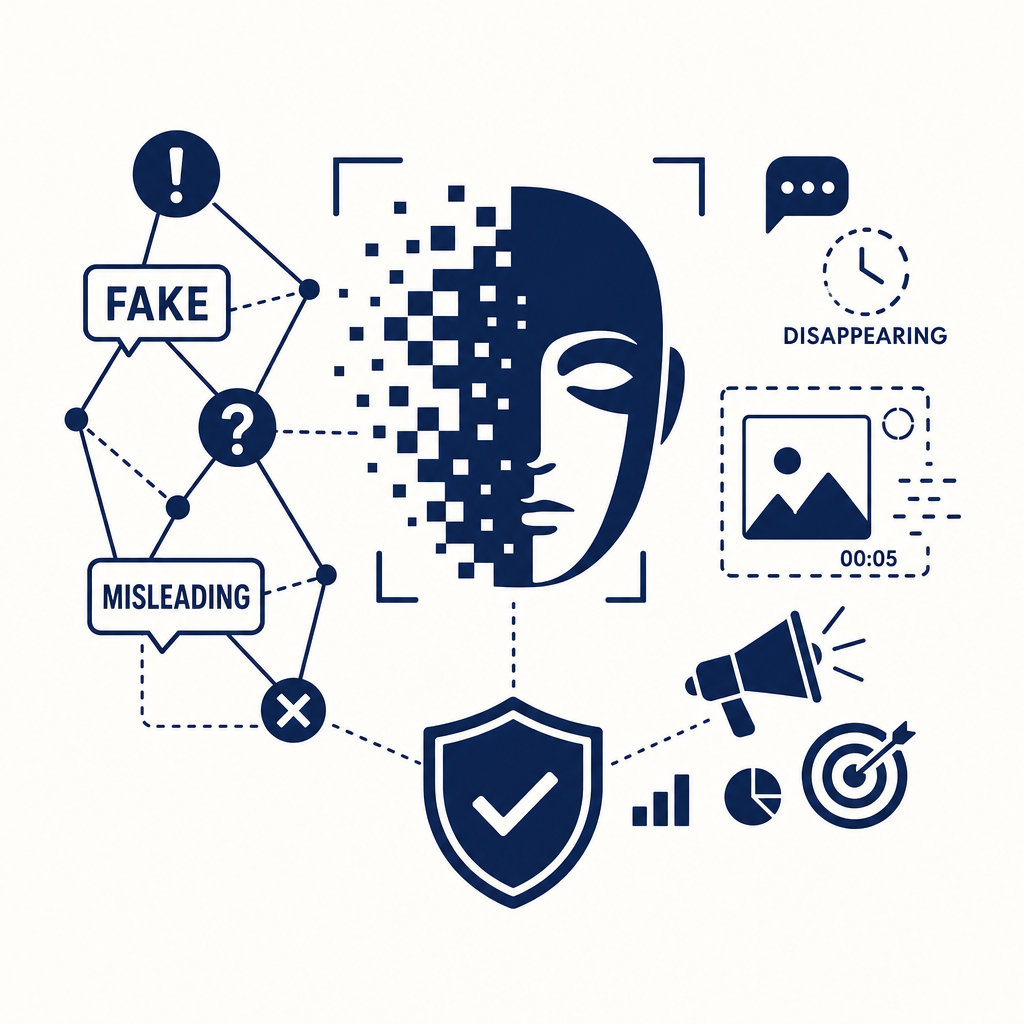
As digital innovations evolve, the balance between trust and misinformation becomes increasingly precarious. This article examines the growing threat posed by AI-generated deepfakes and the challenges of ephemeral content. We will explore strategies necessary for verifying information and maintaining digital accountability to nurture a trustworthy online environment in today’s digital marketing landscape.
Understanding AI Deepfakes
The proliferation of misinformation in the digital age has reached alarming levels, exacerbated by the advent of AI deepfakes. Misinformation can be categorized into three primary forms: disinformation (false information shared with intent to deceive), malinformation (factual information presented with the intent to harm), and unintentional misinformation. The rise of social media and online platforms has created an ecosystem where false narratives can spread rapidly, often outpacing efforts to correct them.
Psychological factors play a significant role in the acceptance and sharing of such information. Cognitive biases, such as confirmation bias and the illusory truth effect, lead individuals to accept false information that aligns with their preexisting beliefs. The emotional and sensational nature of misleading content further entices users to engage and share. High-profile cases, such as manipulated videos impacting electoral outcomes or celebrity scandals driven by deepfakes, underscore the profound effects of misinformation on public opinion and behavior.
As consumers increasingly rely on digital platforms for information, brands must navigate this treacherous landscape, ensuring they uphold their reputation and establish online accountability. This dynamic landscape necessitates the development of robust verification strategies to combat misinformation and restore public trust.
The Rise of Misinformation
The proliferation of misinformation in the digital age is a pressing concern, exacerbated by the emergence of AI deepfakes. Misinformation can be categorized into three primary forms: **disinformation**, the deliberate creation and dissemination of false information; **malinformation**, which involves sharing accurate information with malicious intent; and **misinformation**, encompassing false information spread without harmful intent. These forms blur the lines of credibility and manipulate public perception with alarming ease.
Psychologically, various factors contribute to the acceptance and sharing of false information. Cognitive biases, such as the confirmation bias, lead individuals to favor information that aligns with pre-existing beliefs, while the **bandwagon effect** encourages people to adopt views simply because others do. Emotional content often triggers rapid sharing, exploiting our inherent reactions rather than our critical thinking skills.
Case studies illustrate the tangible effects of misinformation on public opinion and behavior. For example, during electoral campaigns, misleading videos created with AI deepfakes have swayed voters by distorting candidates’ positions or actions, leading to significant shifts in public sentiment. Similarly, misinformation surrounding health crises, like the COVID-19 pandemic, has led to dangerous behaviors and significant public health implications, underscoring the urgent need for accountability and informed digital citizenship.
The Urgent Need for Content Verification
In combating misinformation, the importance of content verification cannot be overstated. As AI deepfakes proliferate, the integrity of information is called into question, necessitating robust methodologies to validate claims. Content verification serves as a frontline defense, employing tools such as fact-checking platforms and AI-driven analysis to scrutinize information sources meticulously. Platforms like Snopes and FactCheck.org have emerged as pivotal players in this battleground, providing users with reliable assessments of controversial content.
Social media channels, too, bear significant responsibility in the verification landscape. They often act as disseminators of information, thus must enhance their algorithms to prioritize reputable sources and flag questionable content. Collaborative efforts between these platforms and independent organizations can bolster the accuracy of disseminated information, encouraging users to engage with credible content.
Individuals, as active consumers of online information, also play a vital role in the verification process. By fostering a culture of skepticism and utilizing verification tools, users can contribute to a more informed public discourse. Together, these actors—social media platforms, independent organizations, and individuals—form a cohesive network aimed at enhancing online credibility and safeguarding truth in the digital realm.
Building Online Accountability
In a digital landscape where misinformation proliferates, the necessity for greater accountability within online spaces is paramount. Content creators wield immense power; their ethical responsibilities extend beyond mere engagement metrics to the potential impact of their messages on public perception. Platforms hosting content must prioritize not only user experience but also the integrity of information shared. Therefore, creating a culture of accountability involves implementing transparent policies that hold creators and organizations responsible for misinformation, particularly those leveraging AI deepfakes and synthetic media.
Policymakers play a crucial role in shaping the regulatory framework that governs online content dissemination. Proposals for regulation might include establishing clearer guidelines for AI-generated materials, requiring disclosures when content has been artificially manipulated, and imposing penalties for the spread of false information. Such measures could incentivize platforms and creators to prioritize accuracy over sensationalism.
By fostering a collaborative environment—with content creators, platforms, and policymakers working in tandem—efforts can be made to cultivate digital ethics that resonate with users. This collective responsibility can enhance brand reputation, ultimately rebuilding trust online as consumers become more discerning in their interactions with digital marketing strategies that prioritize authenticity and truth.
Navigating the Ephemeral Web
The ‘ephemeral web’ represents a unique facet of online communication, characterized by content intended for fleeting consumption. Platforms like Snapchat and Instagram prioritize temporality, creating an environment where information vanishes quickly, often leading to a warped sense of digital trust. This transience can distort users’ perceptions of truth, as the lack of permanence may foster a casual approach to verifying information. In a world where users scroll through a constant influx of content, the stakes for maintaining trust grow ever more critical.
The challenges of verifying ephemeral content are profound. Traditional methods of truth evaluation, including fact-checking and source verification, become less effective when the information is designed to disappear. This necessitates innovative approaches to accountability. For instance, leveraging blockchain technology could provide a means for tracking content provenance, creating tamper-proof records of the origins of shared information.
Furthermore, fostering a culture that encourages users to think critically about their engagement with transient media is essential. Promoting digital literacy initiatives can empower individuals not only to question narratives but also to seek out reliable information sources amid the swirl of synthetic media. By instilling a sense of responsibility toward the ephemeral web, we can retain a measure of truth in an otherwise mutable digital landscape.
Strategies for a Trustworthy Digital Future
As we navigate the complexities of our digital landscape, fostering a culture of digital trust is imperative. Various strategies can be implemented at individual, business, and policy levels to cultivate this trust. For individuals, enhancing digital literacy is fundamental. Users should be trained to critically evaluate sources and understand the nuances of deepfakes and misinformation. Educational initiatives can include workshops and online courses focusing on media literacy.
Businesses must embrace ethical practices in their digital marketing strategies to safeguard brand reputation. This includes transparency in advertising and the use of synthetic media. Companies should establish clear guidelines for content verification, ensuring that all marketing materials undergo rigorous fact-checking before dissemination. Implementing digital accountability frameworks will help to track the origins and modifications of information, bolstering public confidence.
Policymakers play a crucial role by advocating for stringent internet governance laws that hold platforms accountable for the content shared. Legislation can enforce clear standards regarding the use of AI in content creation, discouraging malicious practices. Collaboratively, these efforts create a more transparent environment where trust can flourish, ultimately restoring faith in online information. Empowering users, brands, and governing bodies alike is key to shaping a trustworthy digital future.
Conclusions
The challenges of AI deepfakes and the ephemeral web highlight the necessity for comprehensive digital ethics and governance strategies. As misinformation continues to undermine trust, stakeholders must adopt robust verification frameworks and promote accountability. By embracing these measures, we can work towards a digital environment that values truth and restores confidence among users, businesses, and policymakers alike.